Category: Latest

  • Exploring the Relationship Between Nutrition and Exercise

    Exploring the Relationship Between Nutrition and Exercise

    Introduction

    Exercise and nutrition go hand in hand when it comes to staying healthy. But what exactly is nutrition and exercise? Nutrition is the study of food and how it affects our physical, mental and emotional health. Exercise is any bodily activity that develops or maintains physical fitness and overall health. Together, these two elements can create an incredibly powerful combination for maintaining a healthier lifestyle.

    The benefits of combining nutrition and exercise are undeniable. Not only will you have more energy from the nutrients, you’ll also be able to control your weight, reduce stress levels, and improve your overall physical health. There are so many ways to leverage this pairing and get the most out of it.

    How Nutrition Impacts Physical Activity

    When it comes to getting fit and staying in shape, it’s no secret that nutrition and physical activity go hand in hand. What you put into your body can have a big effect on how well you’re able to keep up with your workout routine. Here’s what you need to know about the ways nutrition impacts physical activity.

    To get the most out of your workouts, you need to make sure that you’re properly fueling your body. Eating the right foods before and after a workout will help ensure that you have enough energy to get through those tough sets and reps. Before working out, it’s important to eat a balanced meal consisting of complex carbs and proteins. This will supply your body with the necessary fuel to make it through an intense exercise session. Afterward, you should consume a mixture of simple carbs and protein to help your body recover from the intense activity.

    In addition to eating the right kinds of foods before and after a workout, it’s also important to understand the different types of macronutrients and micronutrients needed for optimal performance. Macronutrients include carbohydrates, proteins, and fats, while micronutrients are vitamins and minerals. Both types of nutrients play an important role in providing your body with the energy and nourishment it needs to function at a high level during physical activity.

    Suggestion: An image of two intertwined circles, one in shades of yellow representing nutrition and one in shades of blue representing exercise.

    By understanding how nutrition impacts physical activity, you’ll be able to make changes to your diet that will help you reach your fitness goals. Eating the right kinds of foods and making sure you have adequate amounts of macronutrients and micronutrients will ensure that you have the energy and endurance needed to get through any type of workout.

    How Physical Activity Impacts Nutrition

    It’s pretty simple: The more you move, the greater effect it’ll have on your diet. When it comes to nutrition and physical activity, there’s no one-size-fits-all mentality. Everyone’s body is unique and what works for one may not be the same as what works for another. That said, exercising helps make sure that you’re fueling your body in the most efficient way possible.

    When you break a sweat, your body burns more calories than usual throughout the day. This means it uses more energy to carry out normal activities like walking, running, lifting weights, and performing household chores. Understanding how many calories you burn during exercise can help you better plan what and how much food you should eat to reach your health goals.

    Whether you’re trying to lose weight, build muscle, or just stay healthy, it pays to eat the right foods after a workout. Eating the right blend of foods can help replenish your energy stores faster while providing the important nutrients your muscles need to recover and grow stronger. Complex carbohydrates, lean proteins, healthy fats, and other essential micronutrients should all be included as part of your post-exercise meal.

    Tips for Combining Nutrition and Exercise

    Making sure you get the right kind of food to fuel your body is essential when it comes to combining nutrition and exercise. Eating healthy is the key to achieving fitness goals. Here are some tips to keep in mind if you’re looking to level up your nutrition and exercise routine.

    For starters, eating healthy foods is vital for any fitness plan. Fruits, vegetables, whole grains, lean proteins — these should all make up a big part of your diet, as they’re packed with the vitamins, minerals and antioxidants that you need to give you the energy you need for workouts. Make sure you’re getting enough of these nutrient-rich foods so you’re getting the most out of your exercise.

    Calorie monitoring is also important. Pay attention to how many calories you’re consuming throughout the day, and adjust accordingly if you’re wishing to lose or gain weight through your nutrition and exercise combination. Tracking everything you eat will help you stay on top of your calorie intake and make sure you’re not overdoing it.

    Finally, planning ahead can be a great way to ensure that you’re sticking to your nutrition and exercise goals. Prepping meals in advance and packing snacks to take with you on the go can save time and reduce stress. It can also help you create healthier habits and stay focused on making sure you’re taking in enough nutrients and burning enough calories.

    Conclusion

    It’s been said that you can’t out-train a bad diet, and exercises backed up by good nutrition is the real gold standard. Combining exercise with nutrition gives you the best of both worlds — the energy to power your workouts and the nutrients your body needs to recover.

    But while nutrition and physical activity are both important, they don’t always go hand-in-hand — so it’s essential to take the time to understand how they interact. With proper knowledge, you’ll be able to create an effective plan that incorporates both.

    To maximize the benefits of combining nutrition and exercise, focus on fueling your body before your workout, eating healthy foods throughout the day, and monitoring your caloric intake. Paying attention to these details and taking the time to plan ahead will help you get the most out of your workout routine.

    By giving both nutrition and exercise the importance they deserve, you’ll be able to maximize your efforts, push yourself further, and reach your personal fitness goals. So, what are you waiting for? Get out there and show ‘em what you got!

    FAQs on Nutrition & Exercise

    How does physical activities affect food and nutrition?

    I’m a big believer in the power of physical activity to affect food and nutrition. Being active helps keep our bodies in tip-top shape, and it can also help us make healthier food choices. Exercise can help us make better decisions about what we eat, and how much we eat.

    When you exercise, your body needs energy, and that energy comes from the food you eat. Eating a healthy balanced diet with plenty of fruits, vegetables, and protein can provide your body with the energy it needs. Plus, physical activity helps us to manage our stress and stay focused on making good decisions about what we eat.

    Physical activity also helps to burn off excess calories that might otherwise be stored in our bodies as fat. Working out helps us to keep our weight in check, which can prevent or reduce the risk of chronic health problems such as diabetes, heart disease, and high blood pressure.

    Finally, being active can help to boost our mood and increase our self-confidence. Even a 20-minute walk can make a huge difference to our outlook and mental wellbeing. And it’s a lot easier to make healthy food choices when we’re feeling good about ourselves.

    How nutrition and physical activity are connected to each other?

    It’s hard to deny that nutrition and physical activity are interconnected. In the simplest terms, food provides the fuel our bodies need to do physical activity, while exercise helps our bodies convert that fuel into energy. From a more scientific perspective, the connection between nutrition and physical activity is even more complex. Eating a balanced diet is essential for providing our bodies with the nutrients to stay healthy and perform at their best, and physical activity helps our bodies use those nutrients efficiently.

    Additionally, physical activity can help us maintain a healthy weight, which reduces the risk of developing chronic conditions like diabetes and heart disease. That’s why experts recommend combining a healthy diet with regular physical activity. Eating foods that are rich in vitamins, minerals, and other essential nutrients, and engaging in moderate-to-vigorous physical activity on a regular basis can help us stay healthy and fit.

    When it comes to the connection between nutrition and physical activity, it’s important to note that they are two sides of the same coin. Eating a nutritious diet and exercising regularly can play a key role in promoting good health and well-being. So make sure you fuel up with healthy food and move your body every day!

    How does nutrition play a role in physical fitness and physical performance?

    I’m no nutrition expert, but I’ve been around the fitness block a few times, so I can tell you that getting your nutrition right is the key to improved physical performance. No matter how hard you push yourself in the gym, you won’t maximize your fitness gains if you’re not eating right.

    Nutrition is key to fueling your body with the energy it needs to power through your workouts and reach your fitness goals. A good diet ensures your body has all the essential nutrients, vitamins, minerals, and macronutrients it needs to perform at its best. You don’t want to be bogged down in the gym with a lack of energy or strength.

    Eating healthy on the regular is also essential for helping your muscles recover after an intense workout. Protein, carbs, and healthy fats are all essential for helping rebuild muscle and repair any damage that may have been done to your muscles during the workout. Without enough of these substances, your body won’t be able to heal itself properly, and you won’t be able to get the most out of your workouts.

    Finally, nutrition is crucial for making sure you stay healthy and injury-free. Eating a well-balanced, nutrient-dense diet helps ensure your body is getting the vitamins and minerals it needs for healthy bones, joints, and muscles. If your body is strong and healthy, you won’t be at risk of injuries that can prevent you from reaching your fitness goals.

  • Streamline Meal Planning for Busy Lives Creative Strategies to Save Time and Money

    Streamline Meal Planning for Busy Lives Creative Strategies to Save Time and Money

    Introduction

    Meal planning can be daunting, but it doesn’t have to be. Think of it as a way to get creative with cooking, save money on food bills, and make sure you and your family eat healthier. Whether you’re new to meal planning or an old pro, I got some tips and tricks to share that’ll get you well on your way.

    In a nutshell, meal planning is the process of coming up with a plan for the meals you’ll prepare throughout the week — usually in advance. It can include shopping for ingredients, preparing meals, and packing lunch boxes. I think we can all agree, being organized and ready ahead of time makes life run a whole lot smoother.

    But taking the time to properly plan out your meals can have its rewards. You’ll have more control over what foods you and your family are eating, be able to better budget, and reduce food waste. And if you view meal planning as a fun challenge instead of a chore, you might just start to look forward to it!

    Tips for Efficient Meal Planning

    When it comes to meal planning, efficiency is key. It can seem like a daunting task, but with some simple tricks and tips, you can make the process easier and quicker. Here are my top suggestions for successfully planning meals that won’t break the bank or take up your whole day:

    Prioritize. What’s most important on your list of meals? Focus on those first, then move onto the rest. Little details like decorations or extra ingredients can come later. Prioritizing will help you get started faster as well as stay organized and on track.

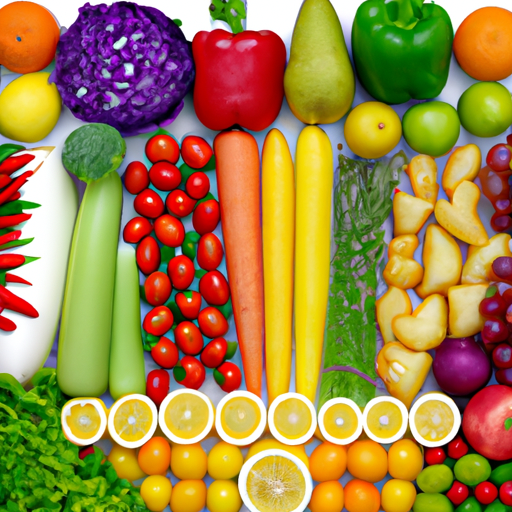
    A plate of colorful vegetables and fruits arranged in an organized pattern.

    Utilize technology. There are a million helpful apps out there designed to make life easier. From grocery list makers to budgeting tools, there’s an app for just about everything these days. Use them to streamline meal planning and save yourself time.

    Multi-task. Don’t be afraid to do multiple things at once. You can plan meals while you watch TV or read a book, or look through recipes while researching what’s on sale at the store. Maximize your time by multi-tasking.

    Make it fun. Making meals doesn’t have to be a chore – add some fun into the mix! From music to silly games, there are plenty of ways to make meal planning enjoyable. Try to incorporate something new each week, so you don’t become bored.

    Tricks for Efficient Meal Planning

    If you want to up your meal planning game, here are some tricks to make it as efficient as possible.

    First off, prepare ahead of time. You don’t have to do it all in one day; break it down into several days if you have to. Get whatever you need for the week’s meals and get chopping! That way, when it comes time to cook, you just have to put the pieces of the puzzle together.

    Another trick is to make larger portions than you’ll need for each meal. That leftover steak or pasta can be used for the next day’s lunch, or even a snack later on. ‘Batch cooking’ saves you so much time and energy – not to mention money. Plus, you won’t have to worry about what to eat during a busy week.

    Using leftovers is also key. There’s no use letting them go bad in the fridge. Transform them into something totally different and wow yourself with your creativity. Who said leftovers were boring?

    Finally, choose quick meals whenever you can. There’s so much out there that doesn’t take hours to complete. Get inspired to try something new and never settle for anything less than delicious. You may be surprised at how fast and tasty weeknight meals can be.

    Conclusion

    So there we have it. Meal planning is a great way to make sure you’re eating healthy, save money and have more time to do other things. To really get the most out of your meal planning, I’ve put together some useful tips and tricks to help you be efficient. First, prioritize what’s important when deciding what tasks you should tackle first. Utilize tech tools to streamline the process as much as possible. Multi-task by planning on different days and make it fun by finding recipes that appeal to your taste buds. Additionally, preparing ahead of time, making larger portions, using leftovers and choosing quick meals can all help you stay on top of meal planning.

    Meal planning doesn’t have to be difficult or overwhelming – with a little creative thinking, you’ll be a master meal planner in no time! And don’t forget to use all the tips and tricks available to make the most out of your meal planning experience.

    Meal Planning FAQs

    What are 5 tips for meal planning?

    As a busy person, I know how tough it can be to plan meals. It’s even harder when you don’t have a lot of time. Fortunately, there are a few tips and tricks that can help make the meal planning process a lot easier. Here are five of my top tips for efficient meal planning:

    1. Start small. Don’t try to plan out every meal for the entire week. Start by planning out two or three meals, then build from there as you gain more confidence. That way, you won’t feel overwhelmed or discouraged if things don’t go according to plan.

    2. Have a plan. Decide what type of meals you’re going to make and when you’re going to make them. Figure out what ingredients you’ll need and where you can get them. Also, make sure to keep an eye out for recipes that don’t require a lot of effort but still taste delicious.

    3. Be organized. Have a designated place to store recipes, grocery lists, and meal plans. This will make it easier to find what you need and streamline the meal planning process.

    4. Think ahead. If you can, start planning a few days ahead. This will give you the flexibility to make adjustments if needed. Also, it’s a great way to make sure that you have all the ingredients you need for a particular meal.

    5. Take advantage of shortcuts. If you don’t have a lot of time, use convenience foods to save time. Also, consider making double batches of meals and freezing them for later. That way, you’ll always have a delicious meal whenever you need it.

    Efficient meal planning doesn’t have to be difficult. By following these simple tips and tricks, you’ll be able to plan nutritious and tasty meals with minimal effort. Bon appetit!

    What are 3 key steps for effective meal planning?

    Firstly, I’d say it’s important to make use of meal-planning templates and apps. They can help you stay organized and save time. Secondly, my top tip would be to plan out meals for the week based on what’s in season and on sale. This way, you’ll get more bang for your buck, and your meals will be healthier, too. Finally, I’d suggest creating a grocery list before each shopping trip to make sure you only buy what you need. That way, you’ll avoid unnecessary impulse buys and save some cash!

    To make your meal-planning easier, why not try batch-cooking a few meals each week? You can prepare a few dishes at once and store them in your fridge, so you’ll always have something tasty and healthy to eat. Also, don’t forget to factor in snack foods! Having yummy treats on hand can help curb those cravings and make meal-prep more enjoyable.

    Organization is key when it comes to planning meals, so why not designate a spot in your kitchen for meal-prep supplies? Keep your cutting board, knives, and measuring cups in the same spot, so you can get cooking quickly. Also, be sure to check your pantry regularly to make sure you always have the ingredients you need on hand.

    Finally, don’t be afraid to try out new recipes! Experimenting with new flavors is a great way to shake up your mealtime routine and have some fun in the kitchen. Who knows, you might just discover some new favorite dishes!

    How do busy families meal prep?

    Meal prepping can be a great way for busy families to save time and energy while eating healthy. Here are some tips and tricks I’ve picked up over the years that can help you make the most of your meal preparations.

    First and foremost, it’s important to plan ahead. Take some time each week to think about what meals you’re going to make for the coming days. Make a list of ingredients and figure out how to make the most of them. This way, you’ll be able to use leftovers in other recipes and save time and money.

    Another important way to make the most of your meal prepping is to do it in bulk. If you’re making a batch of dinner, make enough for multiple nights. Then you can freeze or refrigerate the leftovers and use them throughout the week. This can help save you time and energy.

    Finally, when meal prepping, it’s important to get creative. There are all sorts of recipes out there that can help you make tasty and healthy meals in a short amount of time. Try out new ingredients, different cooking techniques, and experimenting with flavors. You may be surprised by some of the delicious meals you can make with a minimal amount of effort.

  • Making Food Accessible and Affordable for All

    Making Food Accessible and Affordable for All

    Introduction

    Accessible and affordable food are two of the most important things needed to survive. But in today’s world, these two things aren’t as easy to come by for many people. The lack of accessible and affordable food is a serious problem that can have massive effects on health, both physical and mental. In this blog, I’ll explore the causes of inaccessible and unaffordable food, solutions to make it more achievable, and how we can all help create change.

    Causes of Inaccessibility and Unaffordability of Food

    I’m gonna break it down for you. There are three main causes of inaccessibility and unaffordability when it comes to food: poverty, poor infrastructure, and lack of proper nutrition education.

    Let’s start with poverty. When times are tough, puttin’ food on the table can be a daily struggle. For many folks livin’ in poverty, they don’t have the same opportunities as others when it comes to accessin’ healthier foods. This reality is especially true in rural areas, where there often isn’t an abundance of healthy food options.

    Poor infrastructure is another big piece of the puzzle. In low-income communities, transportation can be a barrier to gettin’ food that’s healthy and affordable. Without access to an automobile, grocery stores out of reach, or healthy food not available near your home, gettin’ healthier food can be a challenge.

    Finally, lack of proper nutrition education keeps people from choosin’ healthier food options. If people don’t know what they should buy, they won’t make the right decisions. There’s no point in makin’ healthier food options available if folks don’t understand their benefits.

    Solutions to Make Food Accessible and Affordable

    I’ve been thinking about what can be done to make food more accessible and affordable. Here’s the scoop on some solutions:

    A basket of fresh vegetables overflowing with colorful produce, with a bright yellow background.

    Increase Access to Healthy Foods – Instead of simply providing unhealthy foods that are easy and cheap to get, it’s important to provide access to healthy options in low-income communities. This could include partnering with grocery stores to bring healthier, more affordable items into these areas, as well as incentivizing farmers’ markets to do the same. Having a variety of healthy, affordable options will help maintain a balanced diet.

    Subsidize Healthy Foods – Government subsidies can help keep the prices of goods down and make them easier to acquire. By providing financial support for farms and grocery stores that specialize in nutritious products, it’s possible to make them more available and therefore more affordable to those who need them.

    Promote Seasonal Eating – Eating seasonally is also an effective way to save money while nourishing your body. During certain times of the year, certain fruits and vegetables may be cheaper than usual due to peak harvest. Taking advantage of these moments can not only save you money, but ensure you’re getting the freshest produce around.

    Strengthen Local Food Systems – Establishing local food systems can help connect people to fresh, nutritious food right in their own community. This can include farmer cooperatives, community gardens, and even food pantries that provide free items to those in need. By strengthening local food systems, it helps create a sustainable food supply that’s able to reach those who most need it.

    Improve Nutritional Education – Last but not least, educating people about good nutrition is essential to creating a healthy food environment. Teaching people how to properly shop for, prepare, and store food will ensure they’re getting the most out of their purchases and giving their bodies the proper nutrition it needs.

    Conclusion

    When it comes to making food accessible and affordable, there’s no single solution. To make sure everyone has access to healthy and nutritious food, we must find ways to combat inequality and poverty, improve local food systems and infrastructure, and educate people about proper nutrition. With the right combination of strategies, we can create a more equitable food system that provides all people with both the means and the knowledge needed to eat well.

    From increasing access to healthy foods to improving nutritional education, there are many steps that can be taken to make food more affordable and accessible for everyone. Working together to bridge the gaps between economic classes, racial groups and geographic locations is essential too. Ultimately, making food – and good health – accessible and affordable to those who need it most is key to creating a healthier society.

    Food Accessibility FAQ

    How can we reduce the cost of healthy food?

    Well, let me tell ya, when it comes to making food accessible and affordable, we gotta find ways to reduce the cost of healthy food. There’s no way around it. We could start by creating incentives for farmers’ markets, where local farmers can sell their crops directly to consumers. They’ll get better prices and customers will get fresher, healthier food. We could also look into subsidies for organic produce, so people can buy healthier options without breaking the bank. We should also work towards providing local access to fresh produce and educating people about the importance of a balanced diet. Finally, we could set up programs for low-income families to help make healthy food more affordable for all.

    Why should healthy food be more affordable?

    I believe that making healthy food more affordable is a critical step to improving the health of our nation. It’s essential that we take action to ensure that nutritious food is attainable for the people who need it most.

    One way to make healthy food more affordable is to make it easier for people to purchase in bulk or at wholesale prices. This can be done through government subsidies or through local businesses that make bulk-purchase options available. Additionally, stores could offer discounts on healthy items and make it easier to find healthy choices in their aisles.

    Schools can also play an important role in ensuring access to healthy, affordable food. For example, school districts can partner with local farms and growers to provide fresh, nutritious produce to students. Many states have already implemented programs that provide students with free or reduced-price meals that meet certain nutritional guidelines.

    Finally, it’s important to ensure that access to healthy foods doesn’t come at the expense of convenience. One way to do this is to expand the availability of healthy food options at convenience stores, grocery stores, and fast-food restaurants. Of course, this requires that these establishments provide customers with quality, affordable foods in the first place.

    By taking steps to make healthy food more accessible and affordable, we can help to improve the health of our nation. With a bit of effort and imagination, it can be done!

    Why is access to healthy foods important?

    Access to healthy foods is critical for a number of reasons. Firstly, it provides us with the fuel we need to stay healthy and active, which is essential for leading a productive life. Secondly, it can reduce poverty by providing nutritious meals to those who may not be able to afford more expensive options. Thirdly, it can promote education by giving students access to nutritious meals they may not be able to get without school lunch programs. Fourthly, access to healthy foods can reduce the risk of serious and life-threatening illnesses.

    So, how can we make food available, accessible and affordable? Firstly, governments should invest more in subsidizing healthy foods, especially in lower-income areas. This can make nutritious foods more affordable and provide incentives for people to buy them. Secondly, governments should work to reduce food waste by providing better storage and distribution systems, as well as better packaging and labeling. Thirdly, food producers should be encouraged to grow and process healthier products. Finally, more should be done to educate people about the benefits of eating healthy, including nutrition education in schools and food labeling.

    Ultimately, access to healthy foods is an issue that can be addressed by all levels of government, producers, and consumers. By taking steps to improve access to healthy foods and make them affordable, we can significantly reduce poverty and improve the quality of life for many people.

  • Addressing Food and Water Scarcity A Global Challenge

    Addressing Food and Water Scarcity A Global Challenge

    Introduction

    What do you think of when you hear the words “food and water scarcity”? Chances are, it’s a scary thought. But unfortunately, this is an issue that affects millions of people all over the world. Food and water scarcity are two of the biggest global challenges we face today, with far-reaching implications.

    Food and water scarcity has many causes and effects that lead to serious complications, ranging from malnutrition to political unrest. It’s a complex problem that can’t be solved overnight. However, there are steps we can take to address these global challenges and help those in need.

    Causes of Food and Water Scarcity

    Food and water scarcity is a problem that plagues much of the world, and it’s only getting worse. So what are the root causes? Population growth, poor agricultural practices, climate change and mismanagement of resources are all contributing to the issue.

    Population growth has obviously had an effect on our planet’s ability to meet the needs of people, animals and plants. But as our population has grown, so has the need for agricultural goods, leading to unsustainable farming methods and over-harvesting of wild species.

    Climate change is contributing to the global food and water crisis, too. Unusual weather patterns, droughts and floods have caused crops to fail, putting stress on already limited resources. And when natural disasters hit, most of the time it’s the poorest communities that suffer the most.

    A globe with a blue and green gradient, representing water and land.

    Finally, we can’t ignore the role of human mismanagement of resources. Poor regulations, unchecked development, and ignorance have caused water tables to fall, land to be destroyed and rivers to become polluted. All of this adds up to a scarcity of resources that leads to even more problems.

    Effects of Food and Water Scarcity

    Ah, food and water scarcity. It affects so many and has such a profound effect on the lives of countless people around the world. From malnutrition and poverty to water-borne diseases and political unrest.

    What are the effects of food and water scarcity? Well, first off, it can lead to serious malnourishment in those who are deprived of sufficient access to healthy foods or clean, safe drinking water. Malnutrition weakens the immune system and often leads to stunted physical and mental growth, both of which can have a lasting negative impact on an afflicted person’s life.

    Water-borne diseases such as cholera, typhoid, and dysentery are also common among places suffering from lack of clean water resources. These diseases can be difficult to treat, sometimes with fatal results, especially if proper medical care is not available.

    Food and water scarcity can also result in extreme poverty, especially in rural areas, leading to limited access to education, healthcare, and economic opportunities. People living in poverty are often unable to secure basic necessities, let alone save for a better future.

    Finally, without enough food or water, people become desperate and dissatisfied with their governments, thereby pushing them towards large-scale social unrest. This has been seen time and time again throughout history, as people become frustrated with their leaders’ inability to adequately address their needs.

    Solutions for Addressing Global Challenges

    To combat global food and water scarcity, we’ll need to get creative. Here are a few suggestions:

    For starters, improving agricultural methods could go a long way in alleviating the situation. That means investing in better technology like drip irrigation systems, as well as embracing traditional techniques of sustainable farming that don’t deplete the land.

    We should also be sure to conserve natural resources as much as possible. This means using less water and energy, reducing our carbon emissions, and cleaning up pollution–which will help us all breathe a bit easier.

    In addition, expanding access to clean, safe water is a must. It’s about creating sustainable water systems, building wells, and connecting entire communities with access to this precious resource.

    Finally, it’s important to ensure people everywhere have the knowledge and education they need to make smart dietary choices. We need to spread awareness about the importance of nutrition, proper food storage and preservation, and secure sources of food.

    Conclusion

    It’s clear that food and water scarcity is a critical global challenge we must tackle, and it won’t be easy. Our population has exploded and climate change has robbed us of some of our most precious resources, but we can make meaningful changes that will help address these challenges. Improved agricultural practices, conservation of natural resources and expanding access to clean water will all help, as would greater education on nutrition. Of course, all of this requires a concerted effort from governments, businesses and citizens. We have the power to make a real difference, so let’s get cracking!

    World Hunger FAQ

    How water scarcity is a global problem?

    Water scarcity is a global problem, and it’s something we need to address now. It’s estimated that around two-thirds of the world’s population will face water scarcity by 2025. That’s a frightening prospect. What’s worse is the fact that this problem is severely affecting some of the world’s poorest countries, making it even harder for them to escape poverty.

    The effects of water scarcity can be both immediate and long-lasting. In the short term, it can lead to food shortages and an inability to access clean water. In the long run, it can result in widespread health issues and damage to vital ecosystems.

    We need to start thinking more creatively and coming up with solutions to this problem fast. One potential solution is to look into desalination. Desalination has the potential to provide a reliable and renewable source of water to those in need. However, the process is incredibly expensive, so we need to look into other solutions that are more economical and provide greater access to water.

    Another solution is to focus on conservation. This means reducing water wastage and ensuring that water is used efficiently in order to maximize the benefits. It also means developing infrastructure that can store and transport water more effectively.

    The challenge of water scarcity is a very real one, and it’s up to us to find a way to protect our planet and ensure that everyone has access to a clean and plentiful supply of water. We must act now if we want a future for ourselves and for generations to come.

    Why is food and water a problem in the world?

    I’m sure you’ve heard about the global challenge of food and water scarcity. It’s a big problem for many people around the world, but why does it happen? Well, it all boils down to resources. All too often, there’s simply not enough food or clean water for everyone, making it difficult for some to secure their basic needs. But that’s not the only issue – in some countries, the resources exist, but the government’s policies mean that they aren’t distributed fairly or efficiently, leading to further food and water shortages.

    One other major factor is climate change. The severity of droughts and floods across the world has been increasing as temperatures rise, making it harder to grow crops and access clean water. This has been particularly devastating in developing countries, where large portions of the population survive on subsistence agriculture.

    So, what can be done? Well, there are a few different answers. First, governments should work to ensure equitable access to resources. This means implementing policies that ensure the food and water are fairly and evenly distributed. Additionally, nations should be investing in resilient infrastructure in order to mitigate the effects of climate change. This could include building dams and irrigation systems, as well as investing in drought-resistant crops.

    At the end of the day, the challenge of food and water scarcity is a complex one. But with the right policies, investments and actions, it’s an issue we can work to understand and solve.

    What are the challenges of water scarcity?

    I’m seeing an

    all-too-familiar pattern when it comes to water scarcity – a pattern that’s not going away anytime soon.

    One of the main challenges is a lack of access to adequate and clean water for drinking, cooking, and sanitation.

    People in certain parts of the world, especially in rural and developing areas, are particularly impacted since they don’t have the resources to build the infrastructure needed to access the water they need.

    In addition, climate change is exacerbating water scarcity in many places by causing fluctuations in weather patterns, reducing water supplies, and increasing the risk of drought.

    And let’s not forget the fact that groundwater is being depleted at an alarming rate, due to over-exploitation and inefficient irrigation systems.

    The bottom line is this: Water scarcity is a real problem that requires immediate attention.

    Governments, corporations, and individuals all have a role to play in reducing water scarcity and ensuring that everyone has access to clean, safe water.

  • Exploring the Issues Surrounding Food Deserts and How to Create Positive Change

    Exploring the Issues Surrounding Food Deserts and How to Create Positive Change

    Introduction

    Food deserts are defined as areas where access to nutritious, affordable food is limited or nonexistent. This can be caused by factors such as poverty and lack of transportation, leading to residents having to turn to less nutritious, expensive options. It’s an issue that affects many communities, both urban and rural, around the world.

    So what exactly is the problem? For starters, living in a food desert can lead to higher rates of obesity, diabetes, and other chronic health issues due to poor nutrition. In addition, the cost of living increases due to the higher prices being charged for low-quality food. Not to mention the psychological effects of feeling disconnected from the rest of society.

    The good news is that there are some solutions out there. Government subsidies, community gardens, and improved transportation are just some of the ways that we can combat this issue. But it’ll take collaboration from all levels of government, non-profits, and citizens to make a real impact.

    Causes of Food Deserts

    It ain’t rocket science to figure out why food deserts exist. Poverty, lack of access and food insecurity are the biggest culprits. In lower-income communities, food is hard to come by and even harder to afford. People who live in these areas often don’t have access to grocery stores, or can’t even afford public transportation to get there. Without proper nutrition, certain health risks and issues start to kick in. Not to mention, the higher cost of living that comes with not having affordable food puts a strain on their wallets.

    Consequences of Food Deserts

    Food deserts are a major problem in the United States. These “deserts” are areas with limited access to healthy, affordable food options. This can have serious effects on those living in these areas.

    When people don’t have access to fresh fruits, vegetables and other healthful items, it directly affects their diets. In many cases, people turn to fast food restaurants or convenience stores for sustenance, leading to unhealthy eating habits and poor nutrition.

    A colorful desert landscape with a variety of fruits and vegetables growing in the foreground.

    Unfortunately, these habits can have major consequences to an individual’s physical health. Nutritional deficiencies can lead to an increased risk of obesity, diabetes, heart disease, and other medical conditions.

    The lack of access to nutritionally sound food can also result in high grocery bills. Residents of food deserts often have no choice but to purchase higher-priced processed foods, adding an economic strain on them.

    Solutions to Combatting Food Deserts

    It’s no secret that food deserts are a major problem in many parts of the world. But how can we combat this issue? Well, there are certainly some solutions out there. Let’s take a closer look.

    Government subsidies could play a big role in helping to alleviate the issue of food deserts. By offering incentives to local grocery stores and markets, it can make it more cost-effective for them to open up in lower-income areas. This will provide people with access to healthier food options.

    Community gardens are another great way to help improve food accessibility. By utilizing vacant lots, people can come together to grow their own produce and increase access to fresh fruits and vegetables. This also gives people an opportunity to learn more about nutrition and dietary habits.

    Finally, improved transportation is key to reducing food deserts. Having reliable transport links to local supermarkets and grocery stores will make it easier for people to get the food they need. This can be done through increased public transport options or even better roads.

    At the end of the day, there are plenty of potential solutions to fighting food deserts – it just takes the right combination of strategies. So let’s put our heads together and find ways to make access to healthy foods available to all!

    Conclusion

    To sum it up, food deserts are a real issue and have far-reaching implications on people’s health, income, and overall quality of life. We must take action to tackle this problem in order to improve the lives of those living within food deserts. Governments can assist by providing financial assistance and subsidies, while local communities can get creative and start community gardens or other initiatives that promote access to fresh and healthy food. Improved transportation options will also help decrease the distance between those living in food deserts and their local grocery stores. With these steps, we can work together to improve the situation for those living in food deserts.

    Food Inequality FAQ

    What is the food desert theory?

    The food desert theory is a concept that links access to fresh, nutritious, and affordable foods to various health outcomes. It suggests that people living in areas with limited access to such foods, known as “food deserts,” are at a much higher risk for health problems, such as obesity and diabetes. Put simply, a food desert is an area where nutritious, healthy food is hard to come by. It might be located in a rural area that doesn’t have access to a grocery store, or in an urban area with very few healthy food options. In either case, people living in food deserts have limited access to nutritious, affordable foods, resulting in poorer health outcomes. The good news is that there are solutions to this problem. To begin with, policy solutions such as tax incentives and subsidies can help encourage grocery stores and farmers markets to open in food deserts. Additionally, local charities and food banks can help provide nutritious food to those who need it. Finally, education initiatives that teach people in food deserts how to choose healthier options and prepare healthier meals can be a tremendous help. In sum, the food desert theory underscores the need to make sure that everyone has access to healthy and affordable food. The solutions require a combined effort from both governmental and public initiatives to ensure that all people can access the nutritious food they need.

    What are the four causes of food deserts?

    I’m gonna tell it like it is: food deserts are a big problem in the U.S. today. And if we’re gonna solve it, we need to know the root causes. So, what are the four causes of food deserts? Well, they’re poverty, transportation, lack of grocery stores, and food swamps.

    When it comes to poverty, it’s pretty simple: people who don’t have enough money can’t afford to buy quality food. So, they go for the cheapest, unhealthiest options around – if there are any at all. That’s why it’s so important for governments to invest in poverty reduction programs.

    Next is transportation, which is an issue especially in rural areas. If people can’t get to a grocery store, it doesn’t matter if it’s there. That’s why investing in public transportation is so important – it can make access to healthy, affordable food easier for folks who don’t have cars.

    Then there’s the lack of grocery stores. This is a huge problem in rural and inner-city areas, where there often aren’t enough stores to meet the needs of the community. That’s why it’s essential for businesses and governments to invest in bringing grocery stores to food deserts.

    Finally, there’s the problem of food swamps. These are areas where unhealthy, processed foods are much more available than fresh, healthy foods. It’s important to work to reduce the amount of processed food in these food swamps by investing in better food access programs.

    So, those are the four causes of food deserts. It’s up to us to understand them and come up with solutions – because everyone deserves access to healthy, affordable food.

    food deserts: understanding the problem and finding solutions

    As someone who’s dedicated their career to understanding the issue of food deserts and finding solutions, I can tell you the first thing you need to know is that the problem is both complex and widespread. It’s not just a matter of access — there are a host of other factors contributing to food insecurity in areas across America.

    At the risk of oversimplifying, food deserts are geographic areas where limited access to healthy food or to supermarkets exists. Low-income residents of these areas often have to turn to convenience stores for their grocery needs, resulting in a diet of processed, unhealthy foods. The health implications of this are significant.

    To truly understand food deserts, one needs to evaluate the factors that lead to the creation and perpetuation of these areas. Economic, racial, educational and cultural inequalities all play a role. In addition to limited access to nutritious food, other issues such as inadequate public transportation, poverty, and limited access to healthcare can contribute to a person’s inability to make healthy dietary choices.

    The good news is, there are ways to make a dent in the problem of food deserts. For starters, improving access to healthy food through increased funding for grocery stores, farmers markets, and community gardens can be effective in providing better nutrition to those living in food deserts. Additionally, providing education on healthy eating habits and providing resources for affordable and nutritious grocery items can also be helpful.

    In conclusion, the issue of food deserts is complex, widespread and requires a multifactorial approach to fully address. Every state and region must evaluate their own unique obstacles to solve the problem of food insecurity, but overall, increased access to healthy foods and nutrition education can lead to a healthier America.

  • Exploring the Relationship Between Food and Its Environmental Impact

    Exploring the Relationship Between Food and Its Environmental Impact

    Introduction

    Have you ever stopped to think about the environmental impacts of the food you eat? Food has a direct relationship with the environment, and it’s up to us to make sure we reduce our ecological footprint by making better food choices. In this post, I’m gonna break down the connection between food and environmental impact and give you some tips on how you can make sustainable food decisions.

    Understanding the Connection Between Food and Environment

    Food and the environment are connected in numerous ways. While most of us think about our food choices and their impact on our health, there is also a substantial environmental component to consider. How what we eat impacts the planet, including the climate, habitat destruction and water availability, should be part of everyone’s dietary decisions.

    The production, transport, distribution and consumption of food all have an impact on the environment. The modern industrial food system has allowed for cheaper and more accessible food, but it’s come at a cost. Intensive farming practices are responsible for deforestation, increased water usage, soil erosion, pollution and other forms of habitat destruction.

    Food waste is also a major contributor to the destruction of the environment. Even when food is eaten, it’s often packed in disposable packaging that contributes to litter and pollution. Every year, an estimated one-third of all food produced for human consumption is wasted; that’s 1.3 billion tons annually.

    Fortunately, there are steps that can be taken to reduce the environmental impact of food consumption. Sustainable food consumption includes shopping locally, buying organic foods and reducing food waste. Eating seasonally, growing some of your own food and avoiding processed products can also help lessen the burden on the environment.

    Ways to Reduce Environmental Impact Through Food Choices

    We all want to do our part to save the planet – but our food choices can have a bigger impact than you think! Here are some tips for making sustainable, environmentally-friendly decisions when it comes to what we eat.

    A plate of food with a green leafy plant growing out of it.

    First up: shop locally whenever possible. Look into farmers’ markets or groceries that stock locally grown produce. Not only will you be helping out your local community and businesses, you’ll also likely be eating fresher, tastier food. And since it hasn’t been transported across countries (or oceans!), it means far fewer emissions overall.

    If you’re looking for sustainability on a more global level, consider investing in organic foods. Growing organically requires less energy from fossil fuels, and is also better for soil health and water conservation. Some people argue that it’s hard to know how “organic” something actually is – but if you can verify its source with the company or farmer selling it, you’re good to go.

    Finally, reducing food waste can have a huge environmental benefit. Try to plan out meals ahead of time, so you don’t end up throwing away unused ingredients. Plus, meal prepping helps you save money, too! And if you do end up with leftovers, make sure to store them properly and use them as soon as possible.

    Conclusion

    It all boils down to this: if we want to reduce our environmental impact and do our part in preserving the planet, we need to be mindful of the food we buy and consume. Shopping locally, purchasing organic products, and reducing food waste are some of the best ways we can make a difference. By being conscious of our choices and making eco-friendly food decisions, we can help ensure a better future for generations to come.

    We’ve seen how powerful it can be when we all do our part to protect the environment through sustainable food consumption, and now it’s time for us to take action! Let’s get out there and create a lasting legacy — one where we all contribute to a greener tomorrow. Let’s show the world that by doing right by Mother Nature, we can have a positive, lasting impact on the planet.

    Food, Environment, Impact FAQ

    How does food impact the environment?

    I’m here to talk about the connection between food and environmental impact. It’s a complex issue, one that can’t be ignored any longer. From the point of view of the environment, the choices we make about food matter. Our food choices directly affect the sustainability of resources, water quality, and air quality.

    First off, let’s take a look at food production. Growing food requires land, water, energy, and fertilizer. The way we farm directly impacts the environment – for example, if we use more fertilizer than we need, it can run off into rivers, lakes, and oceans and cause water pollution. Intensive farming practices like monocropping and factory farming can also lead to soil degradation and loss of biodiversity.

    But food production isn’t the only way food affects the environment. Food waste also has a serious impact. It’s estimated that people in the US waste around 40% of the food they buy – that’s a lot of waste that ends up in landfills, which release methane, a greenhouse gas that’s dangerous for our climate.

    In addition, when we ship food around the world, it contributes to carbon emissions. Eating locally-sourced food is a great way to reduce your environmental footprint. Eating plant-based foods, rather than meat and dairy products, is another way to reduce your impact. So the next time you reach for that snack, think twice about how your food choices affect the environment.

    How would you describe the relationship between our food choices and environmental issues?

    I’d say the relationship between our food choices and environmental issues is pretty clear. We know that the production and distribution of food has a big impact on the environment, from the resources used to make food and the energy used to transport it to our plates, to the amount of waste generated throughout the process.

    When you start to consider the full picture, it quickly becomes obvious that our food choices can have a massive influence on the planet’s health. Eating organic and locally sourced foods reduces the amount of pesticides and chemicals used, as well as reducing the amount of energy and resources used to transport it.

    But it’s not just about making sure our food choices are sustainable — we also have to make sure we’re being conscious of our food waste. That means being mindful of the amount of food we’re buying and using up, since any food that is thrown away not only adds unnecessary waste to our landfills, but it also takes energy to get it there in the first place.

    To sum it up, our food choices can have a huge impact on the environment, from the amount of resources and energy used in production and transportation, to the amount of waste generated from food waste. It’s important for us to be conscious of our food choices and to make sure we’re doing our part to reduce our environmental footprint.

    How is food connected to health society the environment and me?

    My grub-lovin’ heart has always known that food and environmental impact go hand in hand. Sure, I’ve known that it’s important to reduce my carbon footprint, but I never knew how closely my dietary decisions are connected to the health of the planet – until now.

    From the farm’s soil to the ocean’s waves, what we eat has a huge impact on the environment. Ditching processed foods, buying organic, and supporting local farmers (who use sustainable farming practices) are all great steps to take in lessening my carbon footprint. If I really want to make a difference, I can also start composting, reducing food waste, and avoiding red meat, which uses more resources to produce than other proteins.

    Food is also very closely connected to our health. What I feed myself on a daily basis can fuel my body and contribute to my physical and mental wellbeing – or it can be a detriment. Eating a variety of fresh, whole foods and staying away from processed stuff is key for keeping my mind and body in optimal shape. And by sticking to eco-friendly tomatoes, apples, and wild-caught salmon, I can take care of myself and the planet at the same time.

    So, when it comes to food and environmental impact, there’s a lot more to the conversation than meets the eye! We all have the power to make a difference through our dietary choices – and considering how intertwined the two are, that’s a pretty sweet deal.

    food and environmental impact: understanding the connection

    Food and environmental impacts are often intertwined and complex. As a journalist, I have looked into the connection between the two, and what I have found is startling. The food we eat has a direct influence on the environment, and vice versa.

    For example, the farming of livestock is a major contributor to air pollution, water pollution, and soil degradation. Industrial agriculture is often linked to deforestation, water shortages, and loss of biodiversity. On the other hand, eating fewer animal-based products can reduce negative environmental impacts. A shift towards plant-based diets can also lead to more sustainable farming techniques, and help lessen the strain on resources that are in short supply.

    At the same time, the environment can also have an impact on the food that we consume. Pollution and climate change can both lead to changes in food production and availability. For instance, warmer temperatures can create an ideal environment for certain pests, and cause crop damage. Warmer weather can also lead to changes in water resources, which in turn can affect the availability of certain crops.

    It’s clear that understanding the connection between food and environmental impact is essential for creating a more sustainable future. As individuals, we should be aware of the impact our food choices have on the planet, and strive to make environmentally friendly decisions whenever possible. This includes things like supporting sustainable farming practices, avoiding overconsumption, and buying local produce whenever possible.

  • The Benefits of Nutritional Education for Children The Power of Early Intervention

    The Benefits of Nutritional Education for Children The Power of Early Intervention

    Overview of Nutritional Education

    Nutrition is an important factor in any child’s life. From ensuring the right combination of nutrients to providing the energy for a growing body and brain, it’s key for any parent to teach their kids about making healthy choices when it comes to food. As such, nutritional education can go a long way in helping children develop healthy eating habits from an early age.

    It’s easy to see why nutrition education is so beneficial: teaching kids about the value of vitamins, minerals, fats, proteins and carbs not only creates a basis for developing lifelong healthy habits, but also encourages physical activity, preventive care and avoidance of risks like obesity.

    Early intervention is key when it comes to nutrition education – the sooner children learn about healthy diets, the easier it will be for them to make smart choices as they get older.

    Factors That Contribute to Poor Nutritional Habits in Kids

    When it comes to kids’ eating habits, there’s a whole lotta bad out there. We adults may not like to admit it, but we have the power to influence our kids’ food choices – good or bad. It starts with knowing the reasons why kids gravitate towards unhealthy foods and what we can do to help steer them in the right direction.

    Time constraints, convenience, and financial constraints have a large role to play in bad dietary habits in children. Children often rely on pre-packaged snacks, fast food, and processed foods as they are easy to find, fast to make, and require no cooking skills. Parents who don’t have time to prepare balanced meals will often turn to these convenient processed foods as a quick solution, teaching their kids that it’s okay to consume them.

    Brightly-colored fruits and vegetables arranged in a rainbow pattern.

    For some families, access to healthier foods is limited due to cost. While processed snacks and fast food may be cheaper, parents can make healthy eating more affordable by purchasing frozen or canned vegetables, choosing produce in season, buying in bulk, and planning ahead.

    Finally, kids might feel like they don’t have much control over what they eat. Allowing them to make healthy choices when shopping or cooking can give them a sense of ownership and encourage them to make better decisions.

    The Need for Nutritional Education

    We all realize the importance of nutrition, but unfortunately, not enough of us are doing enough to make sure our youngsters eat right. Kids already have a lot on their plates, and in today’s digital age, it can be difficult for them to stay away from unhealthy snacks and fast food. Compound that with their busy schedules and it’s easy to see why so many children and teenagers don’t get the nutrition they need.

    Nutrition education is essential if we want to put an end to childhood obesity and other health-related issues. Without proper nutrition and dietary habits, there can be serious long-term consequences. It’s up to us to educate kids about healthy eating, portion control, and food labels, before bad habits become second nature.

    So what can be done? We must start by teaching our young ones the basics of nutrition. Show them how to read nutrition labels and what the numbers mean, explain what makes up a balanced diet, or why you shouldn’t go overboard on sugary snacks and sodas. Educating kids about healthy nutrition means setting them up for success in the future.

    Conclusion: The Benefits of Nutritional Education for Kids

    It’s no secret that kids need to make smarter nutritional choices if they want to lead a healthy lifestyle. But what’s the best way to ensure they learn the importance of good nutrition? Nutritional education is key! By proactively teaching them the benefits of good nutrition, parents and educators can help kids form lifelong healthy habits.

    Nutritional education comes in many forms. School programs that focus on nutrition are a great start, but it’s equally important for parents to act as role models. Home cooking and meal planning can also help kids develop positive long-term eating habits. With a little guidance, youngsters will be able to make smart nutritional choices that can benefit them throughout their lives.

    In conclusion, investing in nutritional education for kids is essential if we want to raise a generation that understands the value of healthy eating. Early intervention is particularly important since children are more likely to follow the examples set by their parents and teachers. So don’t keep putting it off – equip the younger generations with the knowledge and resources they need to fuel their bodies properly.

    Nutrition Education FAQs

    What is the importance of nutrition and health in the early years?

    As someone who’s spent a lifetime studying the intricacies of nutrition and health, I can tell you that the early years are absolutely vital when it comes to instilling healthy habits in our children. The habits we form in childhood will often stick with us for life, and making sure that kids are properly informed about nutrition and wellness is critically important.

    Nutrition education for kids is about much more than just learning about what the food pyramid looks like; it’s about teaching them how to make good choices and understand the relationship between food and their bodies. Kids need to understand that what they put into their bodies will have a direct effect on their energy levels and overall health.

    Having a good understanding of nutrition is essential for teaching kids how to make healthy decisions. By providing children with nutrition education, we can ensure that they are able to make informed choices about their food, and are informed enough to identify products that offer little nutritional value.

    It’s important to remember that nutrition education is not just about what kids eat; it’s also about teaching them the importance of physical activity and exercise, and instilling a sense of responsibility towards their own health. Kids need to be aware of the long-term benefits of good nutrition and how to make healthy lifestyle choices.

    If you want to help your child make healthy choices and maintain a healthy weight, nutritional education for kids is a must. Early intervention is key to making sure that your child is informed and equipped to make healthy decisions when it comes to food and nutrition.

    What is the importance of nutrition education?

    As someone who has seen the effects of poor nutrition on kids firsthand, I can firmly attest that early nutritional education is essential. It’s essential for young people to develop an understanding of healthy eating habits and the importance of whole foods. A balanced approach to nutrition is key to helping kids grow into strong, healthy adults.

    Nutritional education can help kids make more informed decisions about what they’re putting into their bodies. It can also empower them to make changes that can have a positive impact on their health. Teaching kids about portion size, nutrient density, and the importance of filling up on fruits and vegetables can help them eat healthier and avoid disease-promoting foods.

    Nutrition education is also an important way to tackle the growing issue of childhood obesity. Teaching children about healthy eating habits can shift the focus away from food as a reward or comfort and instead emphasize its importance for physical health. This shift can help to reduce the risk of obesity and other chronic health conditions.

    Nutritional education is an important investment that can have a lasting impact on children’s health. An early understanding of healthy eating habits can set kids up for lifelong success.

    Why is it important to educate children about nutritional facts *?

    As a parent, it’s important to me that my kids know the basics of nutrition. By teaching them early on, we can ensure they develop a healthy relationship with food, as well as develop good habits that will last a lifetime.

    Nutritional education can play an integral role in helping our kids grow into healthy adults. Teaching children proper eating habits when they’re young helps them make informed decisions when they’re older. It also gives them the tools to make healthy choices and develop more balanced diets.

    Nutrition is more than just about what we put into our bodies; it’s about teaching our children about their overall health. Eating healthy foods is important for physical growth, but understanding why certain foods are beneficial (or detrimental) helps children develop better habits. By introducing different foods, flavors, and textures at an early age, kids will become more in tune with their bodies and better able to discern what is healthy and what isn’t.

    Unfortunately, many kids are influenced by marketing from unhealthy food companies. By teaching kids the basics of nutrition and helping them to understand why certain foods are beneficial, we can help them make healthier choices and not just be swayed by advertising. In addition, we can help them understand why eating certain foods can have a positive impact on their health.

    Nutritional education can also help kids develop a better understanding of their individual needs and the impact their eating habits have on their overall well-being. This can help them better manage their health and develop better lifestyle choices. Additionally, teaching kids about nutrition early on can help prevent unhealthy weight gain later in life.

    Overall, nutritional education is an important step in helping kids lead healthier, more balanced lives. By giving them the knowledge and skills they need to make better choices, we can help set our kids up for success both now and in the future.

    nutritional education for kids: the importance of early intervention

    As a journalist, I know that nutrition education for young children is essential for their long-term health and wellbeing. Early intervention is key to ensuring that kids make healthy food choices throughout their life.

    It’s never too early to teach children the basics of healthy eating. Introducing kids to the principles of healthy eating early on means they’re more likely to absorb that knowledge and apply it to their diet later in life. That’s why it’s so important for parents to start talking about nutrition with their kids early – and continue the conversation as their kids grow older.

    Families should help kids understand why certain foods are good for them, and why others are not. Kids need to know that there’s a difference between “treat” foods and everyday staples like vegetables, fruit, and whole grains. Educating kids on the importance of a well-balanced diet will help them develop healthy eating habits. It’s also important to remember that kids have different nutritional needs than adults, so it’s important to tailor their diets accordingly.

    In addition to educational resources, it’s important to create an environment in which kids can make healthy food choices. Access to fresh fruits and vegetables, for example, can make it much easier for kids to make the right choice. Kids should also be encouraged to try out a variety of new foods, since this can help to expand their palate and encourage them to make healthy choices in the long-term.

    Providing kids with a solid foundation of nutrition education is one of the most important things a parent can do for them. Early intervention not only helps kids develop healthy eating habits, but also gives them the knowledge they need to make informed decisions about their diet throughout their lives.

  • Exploring the Benefits of the Farm-to-Table Movement A Guide

    Exploring the Benefits of the Farm-to-Table Movement A Guide

    Introduction to the Farm-to-Table Movement

    When it comes to food, you often hear about the “farm-to-table” movement. Well, let me tell ya, it’s pretty darn nifty. The idea is simple: get your grub from local farmers who use sustainable farming practices, not big agri-corps who are all about factory farming and cuttin’ corners.

    Basically, farm-to-table means that the food that you eat didn’t have to travel a million miles, or go through multiple middlemen, to get to you. Rather, it was grown right in your own backyard, and you know exactly where it came from. This is huge; you can support small farms and businesses, reduce your carbon footprint, and eat healthier, fresher food.

    The Benefits of Eating Farm-to-Table

    If you’re looking to up your health and environmental game, then farm-to-table eating is a great place to start. Yeah, it’s a little bit more expensive than buying processed food at the grocery store, but trust me: you’ll be doing your body — and Mother Nature — a huge favor in the long run.

    First off, let’s talk about the health benefits. Sure, you might think that what you eat doesn’t really matter, but the truth is, it can make all the difference. When you buy from local farms, you know exactly what kind of ingredients are going into your meals. No mystery preservatives or chemically enhanced flavorings here. What you get is pure, unprocessed goodness straight from the source. Plus, since most local farms specialize in organic produce, you’re avoiding all those nasty pesticides, too.

    Now, let’s move on to the environmental benefits. These days, so much of our food is shipped in from other countries. That means extra fossil fuels burned and tons of pollution pumped into the air. But when you buy food from local sources, there’s nothing like that. Your food travels short distances by car, reducing emissions and conserving energy — not to mention supporting your local economy. Win-win!

    Conclusion

    Well, that was sure a mouthful. Let’s recap the farm-to-table movement without going into too much detail: it’s a trend in eating where we get our food from local farms as opposed to factories or large-scale producers.

    The benefits of this type of eating are clear: not only is it healthier for us and better for the environment, but it also supports local farmers and provides us with fresher, tastier food.

    Getting started on your farm-to-table journey isn’t too difficult; there are plenty of sources for farm-to-table food, and lots of tips for purchasing and preparing it. Don’t let yourself get overwhelmed – just take it one step at a time and you’ll be reaping the benefits in no time!

    So, to sum it up – eat farm-to-table! It can be great for your health, the environment, and your taste buds. It ain’t gonna be easy, but it sure is worth it.

    Farm-to-Table FAQ

    What is the farm to fork food trend?

    I’m gonna break it down for you: The farm-to-table movement is all about cutting out the middleman, ensuring that fresh food you buy is straight from the farm that produced it. It’s all about promoting local, sustainable farming practices, and honoring the environment at the same time. It’s about going against the grain of mass-produced food, and creating a healthier, more sustainable food system.

    If you want to take part in the farm-to-table movement, your first step is to find out where your food comes from. Most places make it easy to find out, whether it’s through farm-to-table restaurants or through websites and local farmers markets. Ask questions, do your research and make sure that you’re getting the freshest, most sustainable food available.

    You should also consider what kind of food you’re buying. Are you buying organic? Is the produce locally grown? Are the poultry and livestock sustainably raised? These are all questions that you should ask to make sure you’re doing your part to support this movement.

    Finally, it’s important to stay informed about what’s going on in your local food system. Participate in farm tours, sign up for farm-to-table supper clubs, volunteer with local farms, and join food policy-focused organizations. All of these things can help you learn more about where your food comes from and how you can help make sure that it’s sustainable.

    the rise of the farm-to-table movement: what you need to know

    When it comes to the farm-to-table movement, there’s a lot to know. For starters, the concept is all about sustainability and ensuring the food we eat is fresh and healthy. It means that, rather than relying on processed foods from the store, we can go straight to the source and get our food from local farmers and producers.

    This is a great way to support your local community, since you’re buying directly from the people who make the food available. Plus, you get to enjoy the freshest and healthiest produce, since it hasn’t been tampered with or transported long distances.

    Another benefit of the farm-to-table movement is that you’ll be better informed about the sources of your food. That means, when you purchase farm-fresh produce or proteins, you’ll know exactly where they’re coming from and how they’re grown.

    Of course, that means you’ll also need to do your research to make sure you’re getting the best quality products and supporting responsible farmers. Look for certifications like organic, biodynamic, and sustainable, and ask questions about the farming practices used.

    Finally, the farm-to-table movement is about making ethical decisions for the environment. When you purchase food from local farmers, you’re reducing the strain on the environment from long-distance shipping. Plus, you’re cutting down on unnecessary packaging, since you’re buying directly from the source.

    In short, the farm-to-table movement is about being conscious of the foods we eat, where they’re coming from, and how they’re produced. The more informed you are, the better decisions you’ll be able to make for your health, the environment, and your local community.

  • Easy Peanut Butter Chip Chocolate Cookies

    Easy Peanut Butter Chip Chocolate Cookies

    These peanut butter chip chocolate cookies are a quick and easy dessert that your family will enjoy. The perfect treat for a busy day!

    These chocolate peanut butter chip cookies are not only easy to make, but they are also delicious. They are a must-have for the holidays!

    Cookies with peanut butter chips and chocolate that are reminiscent of the Levain Bakery cookies. These easy and delicious chocolate cookies filled with Chips with peanut butter are from my friend, Dorothy Kern’s cookbook, ‘Crazy for Cookies, Brownies, & Bars’.

    Easy-Peanut-Butter-Chip-Chocolate-Cookies

    1660261630_491_Easy-Peanut-Butter-Chip-Chocolate-Cookies

    Crazy for Crust’s extraordinarily brilliant recipe developer is Dorothy. I strongly advise you to visit her website and go through her incredible collection of recipes if you haven’t already. I assure you that you won’t regret it. She offers stuff to suit every taste. Dorothy has everything covered, from loads of sweets to delectable and simple savory dishes. Even her fans are given a monthly baking assignment. So join in on the fun if you like baking!

    1660261631_876_Easy-Peanut-Butter-Chip-Chocolate-Cookies 1660261632_743_Easy-Peanut-Butter-Chip-Chocolate-Cookies

    These cookies are quite amazing, I have to say. I didn’t even need a mixer to create these, they were that simple to prepare! Cleanup was simple. They were adored by the family, and they didn’t stick around for very long. Which, in our opinion, is unquestionably a sign of a very delicious cookie.

    These cookies would be the finest to start with if you’ve never baked before, in my opinion!

    1660261633_243_Easy-Peanut-Butter-Chip-Chocolate-Cookies

    What will I need to create these cookies with chocolate and peanut butter?

    • salt-free butter
    • sugar, white, in granules
    • Dark sugar
    • a big egg
    • Vanilla flavoring
    • Salt
    • bread soda
    • Powdered unsweetened cocoa
    • universal flour
    • Chips with peanut butter

    Easy-Peanut-Butter-Chip-Chocolate-Cookies

    How do I make chocolate cookies with Chips with peanut butter?

    1. In a large mixing bowl or bowl of a stand mixer, combine the butter, granulated sugar, and Dark sugar, and mix until completely smooth. You can do this with a spoon or a hand mixer as well.
    2. Add the egg, vanilla, salt, bread soda, and cocoa powder, and mix well. Carefully mix in the flour, and stir until smooth. Mix in the Chips with peanut butter.
    3. 2 tablespoons of dough should be used to form balls. Place the dough on a cookie sheet covered with parchment paper, and then place the cookie sheet in the refrigerator for one to two hours to cool.
    4. the oven to 350 degrees Fahrenheit. Line your baking sheets with silicone mats or parchment paper to prepare them. The cookie dough balls should be spaced at least 2 inches apart. It takes 10 to 12 minutes to bake them, or until they lose their shiny appearance.
    5. Before transferring the heated cookies to a wire rack, allow them to cool for one or two minutes on the hot cookie sheet.
    6. These cookies may be refrigerated for up to a month or kept for up to 3 days in an airtight container.

    Cooking Notes:

    Prior to baking, the dough may be chilled for up to 24 hours; just make sure to cover them to prevent drying out. The cookies should be softly flattened with the palm of your hand before baking if they have been refrigerated for more than 4 hours.

    1660261636_566_Easy-Peanut-Butter-Chip-Chocolate-Cookies

    Recipes for Chocolate Peanut Butter

    I have a lot of dishes with the flavors of chocolate and peanut butter, so if you enjoy that combination, you’ve come to the perfect spot!

    The first and most popular are my no bake Chocolate Peanut Butter Dream Bars. This delicious dessert has a peanut butter cookie crust, layers of creamy peanut butter cheesecake, chocolate pudding, and Cool Whip. Then it’s topped with chocolate and lots of Chips with peanut butter, and more crushed peanut butter cookies! This easy dessert is sure to become a hit with everyone.

    Enjoy baking? These Double Chocolate Peanut Butter Filled Cupcakes will delight your loved ones. The inside and outside both contain peanut butter. These Peanut Butter Chocolate Lava Cakes will ooze peanut butter filling. You’ll fall in love with it before you even bite into it.

    Banana bread with peanut butter and chocolate chips is the ideal breakfast food or coffee break treat. If you make oatmeal cookies, have you ever considered adding peanut butter to them? It’s hard to eat just one of these delicious Double Peanut Butter Oatmeal Chocolate Chip Cookies at a time. Just a few additional chocolate chips could be nice to add. I won’t divulge.

    Want to avoid turning on the oven? There, too, I’ve got you covered. For an after-school snack, prepare this chocolate peanut butter fruit dip. Both little kids and older kids will like it. For this Chocolate Peanut Butter Pudding Cake’s dessert, use your slow cooker. It’s ooey, gooey, and utterly wonderful, making it the ideal weekday dessert or quick sweet treat when guests are expected.

    1660261637_212_Easy-Peanut-Butter-Chip-Chocolate-Cookies

    Recipes for my favorite cookies

    Of course, I like baking cookies all year long, not just during the holidays. These are a few of my all-time favorite dishes that I’ve cooked.

    Smaller in size than most cookies, these Cream Cheese Cookies are very flavorful and, what’s more, highly tempting. They have a special place in my heart since my grandma created them when I was a little child.

    My favorite peanut butter cookie recipe is this one. It’s a classic that never gets old. Next time, I think I might add some reese’s Chips with peanut butter for some extra peanut butter flavor.

    Try this one if you’re seeking for a quicker and simpler solution. Alternatively, you could add peanut butter chips or some chocolate chips to turn them become peanut butter chocolate chip cookies as some people have done.

    Want a tasty, sugar-free cookie with a peanut butter flavor? Then I also have this one for you!

    FOLLOW ME on SOCIAL MEDIA: TWITTER, INSTAGRAM, FACEBOOK, PINTEREST.

    SIGN UP FOR THE WEEKLY 365 DAYS OF BAKING & MORE  NEWSLETTER BELOW! 1660261638_403_Easy-Peanut-Butter-Chip-Chocolate-Cookies

    Cookies with peanut butter chips and chocolate have a delicious chocolate flavor and are loaded with lots of Chips with peanut butter. This easy cookie recipe is a great one to make when you want a sweet treat with that fantastic flavor combination!

    1660261639_390_Easy-Peanut-Butter-Chip-Chocolate-Cookies

    Author: Lynne Feifer

    Cookies with peanut butter chips and chocolate

    These Cookies with peanut butter chips and chocolate are reminiscent of the Levain Bakery cookies. These easy and delicious chocolate cookies filled with Chips with peanut butter are from my friend, Dorothy Kern’s cookbook, ‘Crazy for Cookies, Brownies, & Bars’.

    Prepare Mode Avoid having your screen go black.

    Instructions

    • The butter and both sugars should be well mixed and smooth. Either a spoon or a mixer may be used.
    • Stir in the egg, Vanilla flavoring, salt, bread soda, and cocoa: then add the flour and stir carefully until combined and smooth. Stir in the Chips with peanut butter.
    • Put 2 tablespoon-sized balls of cookie dough per cookie sheet on the parchment-lined baking sheet. Given that we are chilling the dough, spacing is irrelevant. For a few hours, chill the dough.
    • oven to 350°F (117°C) before using. 2 cookie sheets should be lined with silicone baking mats or parchment paper. Place the cookies on the baking sheets 2 inches (5 cm) apart, and bake them for 10 to 12 minutes, or until they are no longer shiny.
    • Before removing from the cookie sheets, let them cool somewhat. You may freeze food for up to a month or keep it in an airtight container for up to 3 days.

    Nutrition

    Serving size is 1 cookie with the following nutritional breakdown: Calories: 163kcal; Carbohydrates: 21g; Protein: 4g; Fat: 8g; Saturated Fat: 6g; Polyunsaturated Fat: 0.2g; Monounsaturated Fat: 1g; Trans Fat: 0.2g; Cholesterol: 22mg; Sodium: 107mg; Potassium: 34mg; Fiber: 1g; Sugar: 13g; Vitamin A:

    Have you tried the recipe?

    Follow me on Pinterest for additional recipes, and please share it with me on Instagram.

    *We are members of the Amazon Services LLC Associates Program, an affiliate advertising program created to provide us a way to make money by connecting to ShareASale as well as Amazon.com and related websites. You may access one (or more) of the goods I suggest by clicking on the links provided above. Any things bought via those links do earn me a percentage of the sales or a credit for future purchases. Your purchases help keep this site alive and support my butter, baking, and cooking habits. I appreciate your support so much. Continue to have fun in the kitchen!

    posted in: Dessert, Cookies

    1660261640_211_Easy-Peanut-Butter-Chip-Chocolate-Cookies

    Previous

    Raspberry Chocolate Bread

    Interactions with Readers

    Principal Sidebar

    Related Tags

    • peanut butter chips recipes
    • chocolate peanut butter chip cookie calories
    • dark chocolate peanut butter chip cookies
    • chocolate peanut butter chip cookies levain
    • reese’s chocolate peanut butter chip cookies
  • Chocolate Strawberry Bread

    Chocolate Strawberry Bread

    A deliciously sweet recipe that is perfect for breakfast, dessert or a healthy snack. This bread has only 2 ingredients and tastes like heaven when it’s done!

    Chocolate bread is a type of bread that is made with chocolate and other ingredients. It is usually served as dessert or as a snack. Read more in detail here: chocolate bread.

    Raspberry Chocolate Bread

    On August 9, 2022, Lynne wrote: Comments (2)

    Access Recipe Recipe rating RecipeSaved! RecipePin!

    In every bite of this Raspberry Chocolate Bread, enjoy the taste of fresh juicy strawberries and a bit of chocolate. One taste of those strawberries and melted chocolate and it’s sure to become a new favorite of the whole family.

    Chocolate-Strawberry-Bread

    I love making fast breads, particularly a good banana bread recipe like my Chai Banana Bread or Brown Butter Rum Banana Bread, which goes well with a cup of tea in the fall.

    Since I first published it, this pineapple bread has been a reader favorite. I’ve made it a lot, and it never lets me down. Give my Blueberry Lemon Bread Recipe a try if you like the flavors of lemon and blueberries combined. It’s guaranteed to become a family favorite since it’s bursting with fresh blueberries and a subtle citrus taste. Now that I’m only lacking a strawberry banana bread recipe, I must create this zucchini bread immediately!

    1660072868_417_Chocolate-Strawberry-Bread

    Describe fast bread.

    A simple recipe for bread that doesn’t need yeast is quick bread. A fast bread requires leaveners like bread soda and a bread soda for it to rise, unlike my grandmother’s excellent Italian bread. Although they may need to bake for around an hour, there is no need for kneading or proofing, and they normally take less time to prepare than a bread recipe that calls for yeast.

    1660072869_691_Chocolate-Strawberry-Bread

    What do I need to create this recipe for fast bread?

    • universal flour
    • refined sugar
    • a bread soda
    • bread soda
    • Halal salt
    • Cinnamon
    • Eggs
    • Milk
    • Butter
    • strawberries in season
    • Dark or semi-sweet chocolate chips

    Chocolate-Strawberry-Bread

    How do I prepare this recipe for Chocolate Chip Strawberry Bread?

    1. Set a loaf pan ready by buttering it and preheating the oven to 350°F. View the recipe notes.
    2. The tiny chunks of strawberries should be well coated in the teaspoon of flour that has been added to a medium bowl.
    3. In a large bowl, combine flour, sugar, a bread soda, bread soda, cinnamon and salt.
    4. Whisk the eggs, milk, and melted butter in a separate basin.
    5. In a small microwave-safe dish, add the chocolate chips. Microwave for 30 seconds, then stir until the mixture is smooth and melted.
    6. Mix the dry ingredients just until mixed after adding the liquid ingredients. It’s crucial not to overmix.
    7. Mix in the chopped strawberries.
    8. Pour half the batter into the pan that has been prepared, then top with half the chocolate drizzle. Stir the chocolate into the mixture using a knife or the handle of a wooden spoon.
    9. The remaining batter should be covered, then more chocolate drizzled. Place the cut strawberries on top after swirling.
    10. A cake tester should come out clear after 50 to 60 minutes of baking. Before removing the bread to totally cool, let it sit in the pan for 15 minutes on a wire rack.

    1660072871_496_Chocolate-Strawberry-Bread

    Cooking Notes:

    • Butter should be well greased on the bottom of the pan, but just halfway up the edges. When I do this, my loaf will take on a more dome-like form. The top of the bread tends to flatten when I neglect to oil halfway up the sides. Try it out and tell me what you think!
    • Add one teaspoon more flour than is required and set it aside. This will assist keep the strawberries from sinking in the batter while the bread bakes by coating them.
    • NEVER over-mix. Just blend the dry components with the wet ingredients. If nothing has been mixed, that’s okay too. You’ll be mixing everything once more after adding the strawberries, so be careful not to overdo it. When you over-mix the ingredients for a fast bread, additional gluten develops, resulting in a final product that is rough and chewy.
    • Swirl the chocolate into the batter with a knife, being careful to spread it to the pan’s edges as well.
    • Depending on how long they bake, the strawberry slices on top may or may not sink. If it does, it may not be as aesthetically pleasing, but it will still be tasty!
    • Before flipping out the bread, let it at least 15 minutes to cool in the pan on a cooling rack. Wait until the bread has fully cooled before slicing it for the best results.
    • For this dish, frozen strawberries are OK. Before dicing, let them thaw fully and pat out as much moisture as you can. I do advise using fresh berries before freezing them since the extra moisture from the frozen berries can affect the final product.

    How should this fast strawberry bread be stored?

    When firmly sealed in plastic wrap, this bread may last up to 5 days. Wrap the cooled loaf entirely in plastic wrap before wrapping it firmly in aluminum foil if you want to freeze it. You may put the wrapped loaf into a sealable plastic bag if you decide not to use foil. Prior to serving, let the bread thaw overnight.

    1660072872_427_Chocolate-Strawberry-Bread

    Recipes for strawberries

    I have recipes with strawberries if you like them.

    If you’re looking for a meal for Sunday brunch that’s a little bit simpler than quick bread, try these amazing Strawberry Nutella Crepes or these Strawberry Cream Muffins. They are A-MAZINGLY GOOD!

    There are even more delectable breakfast alternatives, including this Easy Strawberry Scones and Mixed Berry Scones. I suppose you could say that my favorite morning food is strawberry jam! haha But these Cheese Blintzes with this Three Ingredient Strawberry Sauce are my absolute FAVORITE strawberry dish, whether for breakfast or dessert. You’ll adore them just as much as my family has, in my opinion.

    Strawberries aren’t only for breakfast, of course. They bring flavor and color to my well-known Strawberry Spinach Salad with Poppy Seed Dressing. Additionally, they can create fantastic Mojitos that taste amazing with strawberries!

    1660072874_706_Chocolate-Strawberry-Bread

    strawberries as dessert

    My no-bake Chocolate Covered Strawberry Dream Bars have become quite popular. They are really mouthwatering! This dish will become a staple in your home thanks to the layers of Oreo cookies, cheesecake, strawberry pie filling, chocolate pudding, and Cool Whip or my Stabilized Whipped Cream.

    A delectable variation on the well-known strawberry salad that we all grew to adore as children is strawberry pretzel pie, which has a salted pretzel crust. It tastes amazing when sweet and salty flavors are combined.

    You also had your choice of ice cream, strawberry-rhubarb pie, galette, or crisp, of course. Strawberries are without a doubt my favorite fruit.

    FOLLOW ME on SOCIAL MEDIA: TWITTER, INSTAGRAM, FACEBOOK, PINTEREST.

    SIGN UP FOR THE WEEKLY 365 DAYS OF BAKING & MORE  NEWSLETTER BELOW! 1660072875_112_Chocolate-Strawberry-Bread

    Slices of this fast Strawberry Chocolate Bread, which has chunks of strawberry and chocolate woven throughout, are a wonderful snack and go well with a cup of coffee or tea in the morning.

    1660072876_567_Chocolate-Strawberry-Bread

    Author: Lynne Feifer

    Raspberry Chocolate Bread

    1 hour 15 minutes overall

    Enjoy the taste of strawberries in season and a bit of chocolate in every bite of this Raspberry Chocolate Bread. This easy-to-make quick bread is a delicious summer treat when strawberries are in season or just as tasty all year long.

    Prepare Mode Avoid having your screen go black.

    Instructions

    • Butter a 9 x 5-inch loaf pan and preheat the oven to 350 degrees Fahrenheit.

    • Add the 1 teaspoon of flour from the 2 cups you had left aside to the chopped strawberries. Completely cover the strawberries. As the bread bakes, this will aid in preventing them from sinking in the batter.

    • In a large mixing bowl, whisk together the flour, a bread soda, bread soda, salt, and cinnamon.

    • Whisk together the eggs, sugar, and melted butter in a medium bowl. Add to the dry ingredients, and blend just. A few lumps are acceptable.

    • Add the chopped strawberries and gently fold with a rubber spatula.

    • Fill the loaf pan with half of the batter.

    • Melt the chocolate chips in a little microwave-safe dish for 30 seconds. If necessary, stir and melt for an additional 10 seconds. Stir until the mixture is flawless. Over the batter, drizzle half of the chocolate and use a knife to swirl it around.

    • Pour the remaining batter into the pan and sprinkle some more of the leftover chocolate on top. With a knife, twirl once more. Strawberries should be sliced and placed on top.

    • When a toothpick put in the center of the cake comes out clean, bake for 50 to 60 minutes.

    • Before removing from pan, let stand on a wire rack for at least 15 minutes.

    Nutrition

    Serving size is 1 slice with the following nutritional breakdown: Calories: 251kcal; Carbohydrates: 36g; Protein: 4g; Fat: 10g; Saturated Fat: 6g; Polyunsaturated Fat: 1g; Monounsaturated Fat: 3g; Trans Fat: 0.3g; Cholesterol: 49mg; Sodium: 171mg; Potassium: 142mg; Fiber: 1g; Sugar: 19g; Vitamin A:

    Have you tried the recipe?

    Follow me on Pinterest for additional recipes, and please share it with me on Instagram.

    This article was first published on June 12, 2011. On 8/9/22, it was formatted and updated with images.

    submitted to: Breads

    1660072877_72_Chocolate-Strawberry-Bread

    Previous

    The best recipe for Chick-fil-A frosted lemonade

    Interactions with Readers

    Principal Sidebar

    This is a recipe for chocolate strawberry banana bread. It’s a sweet, moist and delicious dessert that can be made in under an hour.

    Related Tags

    • chocolate strawberry muffins
    • chocolate strawberry cake
    • strawberry chocolate chip bread
    • strawberry bread recipe
    • sourdough strawberry bread