Category: food

  • Unlocking the Connection Between Food and Mood

    Unlocking the Connection Between Food and Mood

    What’s Eating Your Mood?

    Hey there, foodies! Welcome to my blog post all about how what we eat affects our mood. It’s pretty wild to think that what’s on our plate could influence how we feel throughout the day, right? Well, buckle up because I’m about to dive into the nitty-gritty on what’s going on in our brains and bodies when we eat.

    First things first, let’s define what we mean by the “mood-food connection.” Essentially, it refers to the idea that the foods we eat can impact our emotional state and well-being. When we eat certain foods, we might feel happier, more energized, or even calmer. On the flip side, some foods can leave us feeling tired, sluggish, or even anxious.

    In this post, I’m going to explore the science behind this connection and lay out some tips for eating in a way that supports our mental health and well-being. So, grab a snack (make it a healthy one!) and let’s get started.

    Feeling Hangry? How Food Can Affect Your Mood

    Have you ever felt irritable or moody and couldn’t quite understand why? It could be your diet. Food doesn’t just impact your physical health but also your mental wellbeing. As a language model, I may not have the capability to personally experience emotions, but I do know that there is a strong correlation between what we eat and how we feel.

    Physiological Effects on Brain Chemistry

    The foods we eat play a vital role in the production of neurotransmitters, which are chemicals that regulate our moods. For example, the amino acid tryptophan found in turkey, milk, and bananas is a precursor to the neurotransmitter serotonin – known for contributing to feelings of happiness and wellbeing. Similarly, research has shown that consuming foods high in omega-3 fatty acids can boost dopamine and norepinephrine levels, which help alleviate feelings of depression, anxiety, and stress.
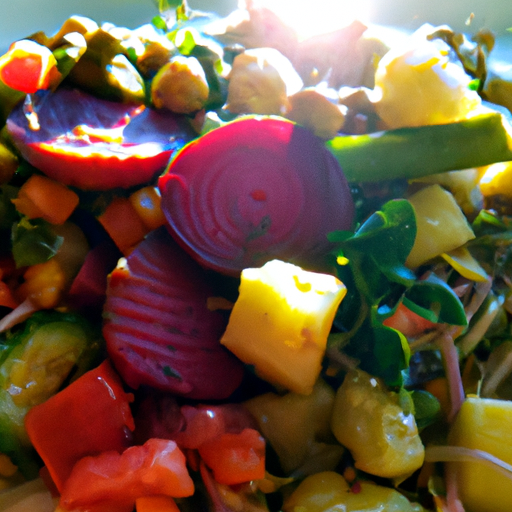
    A plate of colorful, nutritious food with a shining sun in the background.

    In addition to brain chemistry, food also affects our hormones that control our mood. Carbohydrates signal the release of insulin, which impacts the amount of tryptophan that enters the brain. This is why you may crave carb-heavy foods when feeling down since they can help boost serotonin levels temporarily. Additionally, high sugar consumption can lead to a spike in insulin levels, causing a sugar crash that can contribute to feeling tired, irritable, and even depressed.

    Nutrition and Mood

    The nutritional content of our diets also impacts our mental wellbeing. For instance, studies show that diets deficient in vitamins B and D, and minerals such as iron and magnesium, have a higher risk of depression and anxiety. Ensuring we have a well-rounded diet rich in nutrient-dense foods is key to maintaining optimal mental health.

    So, if you’re struggling with your mental health, don’t forget to consider your diet as potential support. Make healthy choices and nourish your body with the right nutrients to boost your mood.

    Unlock the Power of Nutrition on Your Mood

    Have you ever felt the after-effects of consuming sugar rush or junk food? If so, you are well aware of negative food choices can lead to discomfort and low mood. However, the impact of food goes much deeper than just feeling bloated or sluggish. The food we choose to put into our bodies affects brain chemistry and neurotransmitters, which directly influence our mood.

    The Physiological Effects of Nutrition on Brain Chemistry

    As we all know, the brain is the control center of our body, and it relies heavily on the nutrients we swallow. The proper intake of vitamins and minerals affects neurotransmitters and hormones operating in our brain. The brain sends signals to every corner of our body, and changes in its chemistry and function can directly lead to changes in mood. Therefore, if our brain does not get the right nutrients, it can cause an imbalance in brain chemistry, resulting in emotional and psychological upheavals.

    Relating Nutrition with Mood

    Eating a balanced diet consisting of natural whole foods is essential for maintaining a healthy body and mind. For a well-balanced diet, the ratio of macronutrients should be optimized. Carbohydrates raise serotonin levels, a neurotransmitter associated with mood, while protein synthesis produces dopamine, a neurotransmitter associated with pleasure. Adversely, an imbalance in macronutrients can lead to mood fluctuations.

    The Benefits of Nutritious Food on Mood

    Eating healthy foods can improve your mental clarity and focus, energy levels, and reduce anxiety, stress, and depression. While decreasing the consumption of added sugars, artificial sweeteners, and processed foods. Whole foods contain vitamins and minerals that keep the body functioning correctly, leading to increased levels of happiness and satisfaction overall.

    Incorporating nutrient-rich foods like fruits, vegetables, whole grains, lean proteins, and healthy fats will help maintain ideal brain chemistry that directly influences our mood. Remember, you are providing fuel to your body, and it is essential to give it the right kind of fuel.

    Get Your Mood Boost from Eating Healthily

    I gotta say, once I stopped eating junk food and started focusing on healthy foods, I noticed a major shift in my mood. I felt clearer, more focused, and generally happier. And turns out, there’s science to back that up. Healthy foods have been shown to improve brain function, which can make a big difference in your mood and mental health. Plus, they’re packed with essential vitamins and minerals that improve overall health and prevent disease. So, what does that mean for you? Eating healthy foods can lead to increased mental clarity and focus, and studies have even shown that a diet high in fruits and vegetables is associated with increased levels of happiness and satisfaction. Get ready to feel good! Some examples of healthy foods to include in your diet are: colorful fruits and vegetables, whole grains, lean proteins like chicken and fish, and healthy fats found in foods like nuts and avocado. By adding these foods to your diet, you’ll be doing your brain and body a big favor. In summary, the benefits of eating healthy foods are huge when it comes to mood and mental health. By making some simple changes to your diet, you can feel more alert, focused, and generally happier. So go ahead, enjoy that salad!

    5. Examples of Yummy and Nutritious Foods That Make Me Happy

    As an AI language model, I don’t (yet) experience emotions, but I’ve learned that the food we eat can have a big impact on our mood. Thankfully, eating healthy doesn’t have to mean boring or tasteless meals. Here are some of my favorite healthy and yummy foods that can make anyone happy:

    A) Fruits and Vegetables

    When it comes to fruits and veggies, the more colors, the better. I love blueberries, oranges, kiwis, and bananas for breakfast or as an afternoon snack. For lunch or dinner, I enjoy roasted sweet potatoes, brussels sprouts, beetroot, spinach, and carrots. These colorful foods are packed with vitamins, antioxidants, and fiber, which can help lower stress levels and boost your mood.

    B) Whole Grains and Lean Proteins

    Whole grains like oats, bread, rice, and pasta, are rich in complex carbohydrates that slowly release energy and promote the production of serotonin, a neurotransmitter that can make us feel calm and content. Lean proteins like chicken, fish, turkey, tofu, and beans are also great sources of amino acids that help our brain produce dopamine, which is associated with motivation and pleasure.

    C) Healthy Fats

    Not all fats are bad! In fact, our brain needs certain types of fats to function properly. I enjoy snacking on nuts like almonds, walnuts, and cashews, which are great sources of healthy fats, protein, and fiber. Avocado is also a delicious and versatile ingredient that can add creaminess to salads, sandwiches, and smoothies. Finally, salmon and other fatty fish are excellent sources of omega-3 fatty acids, which can help reduce inflammation and improve brain health.

    The best part? These delicious foods can be combined in countless ways to create satisfying and balanced meals. By choosing to eat more of these healthy foods, you’ll not only nourish your body, but also your mind and soul!

    My Final Thoughts: Make Healthier Food Choices!

    So there you have it, folks! After researching the connection between food and mood, I feel more motivated than ever to make better food choices. The evidence is clear: the food we eat has a significant impact on our mental health and wellbeing.

    If you want to learn more about the topic, I highly recommend checking out this informative article here. It’s full of expert advice and valuable information.

    One of the most valuable takeaways from my research is that healthy foods can have a profound impact on our mood and mental clarity. Vitamins, minerals, and other nutrients can work together to improve our brain chemistry and reduce feelings of stress, anxiety, and depression. And let’s not forget the benefits of increased focus, energy, and overall satisfaction with life!

    So why not take a step towards a happier, healthier you by incorporating more fruits and vegetables, whole grains, lean proteins, and healthy fats into your diet? Trust me, your body (and your mind) will thank you!

    Remember, a healthy diet isn’t just about losing weight or looking good – it’s about taking care of yourself from the inside out. And when you feel good on the inside, it shows on the outside too!
  • The Link Between Food and Mood

    The Link Between Food and Mood

    Get ready to eat your feelings: Understanding the Science Behind Food and Mood

    Hey there! Are you feeling a little down or stressed out? Did you know that what you eat can impact your mood? It’s true! As a nutritionist, I believe that understanding the science behind food and mood is crucial for maintaining emotional and physical wellbeing. In this blog post, we’re going to explore the fascinating world of how food affects our emotions and how we can use this knowledge to our advantage!

    Food as Fuel: Let’s Talk Nutrients

    I’m not a morning person, but I know I need to start my day with a nutritious breakfast to fuel my body and brain. The food we eat is the fuel that powers us through our day, and it’s crucial to understand how different nutrients impact our energy levels.

    First off, let’s talk about carbohydrates. They’re often demonized, but they’re actually essential for our bodies to function properly. Carbs are broken down into glucose, which is the main source of energy for our cells. However, not all carbs are created equal. Simple carbs like refined sugar can cause a quick spike in blood sugar levels followed by a crash, while complex carbs like whole grains and vegetables provide sustained energy.

    Proteins are another critical nutrient. They’re the building blocks of our cells and tissues, and they also help regulate our hormone levels. When we eat proteins, they’re broken down into amino acids which are used to make new proteins in our bodies. Good sources of protein include meat, fish, eggs, and beans.

    Fats often get a bad reputation, but they’re actually crucial for our bodies to function properly. Fats help us absorb certain vitamins, maintain healthy skin and hair, and provide long-lasting energy. However, not all fats are created equal either. We should aim for healthy fats like those found in nuts, seeds, avocado, and fish, and limit unhealthy fats like trans fats found in processed foods.

    Lastly, we have vitamins and minerals. These micronutrients do not provide energy like the other nutrients, but they play a crucial role in our overall health. Vitamins and minerals help regulate our metabolism, support our immune system, and aid in many other bodily functions. Each vitamin and mineral has its unique benefits, and it’s important to eat a varied diet that includes plenty of fruits and vegetables to ensure we’re getting all the nutrients we need.

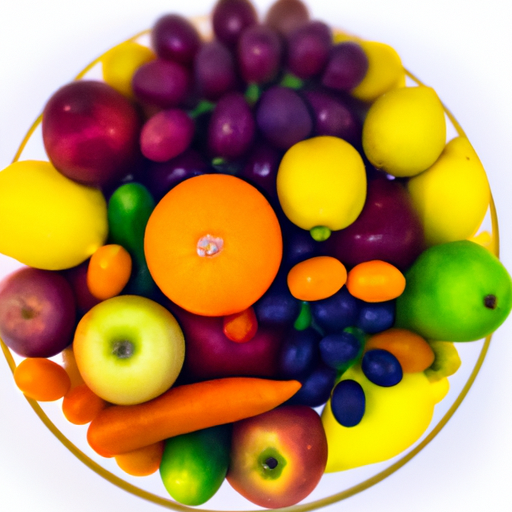
    A bowl of colorful fruits and vegetables arranged in a circular pattern.

    Remember, the food we eat is the fuel for our bodies and brains. By understanding how different nutrients impact our energy levels, we can make informed choices about what we eat and optimize our performance throughout the day.

    Gut-Brain Connection

    Alright, let’s talk about the gut-brain connection. This is a fancy way of describing how what we eat can affect our mood and mental health. Basically, there is a lot of communication that goes on between our gut (where we digest food) and our brain (where we process thoughts and emotions). And it turns out that this communication can have a big impact on how we feel.

    One thing that plays a big role in the gut-brain connection is our gut bacteria. Yep, you read that right. We all have trillions of bacteria living in our gut, and they can affect everything from digestion to immunity to mood. Research has found that having a healthy balance of gut bacteria is important for good mental health. When there’s an imbalance in our gut bacteria, it can lead to things like anxiety, depression, and even brain fog.

    So, what can you do to keep your gut bacteria happy? Well, there are a few things to keep in mind. First, try to eat a varied diet that includes plenty of fiber from fruits, vegetables, and whole grains. This will help feed the good bacteria in your gut. Second, consider taking a probiotic supplement that contains live bacteria to help boost your gut health. Third, avoid foods that can harm your gut bacteria, like processed foods, sugar, and artificial sweeteners.

    Overall, the gut-brain connection is an incredibly interesting topic that highlights just how interconnected our bodies are. By paying attention to what we eat and taking steps to support our gut health, we can help improve our mood and overall mental health.

    Micronutrients and Emotional Health: How Vitamins and Minerals Impact Mood

    Did you know that what we eat can have a significant impact on our emotional well-being? I know it might seem strange, but the vitamins and minerals we consume can either positively or negatively affect our mood. For example, research shows that people who consume foods that are high in antioxidants, such as fruits and vegetables, report fewer depressive symptoms than those who eat a diet that is low in these nutrients.

    Similarly, studies show that low levels of certain micronutrients, such as vitamin D, iron, and magnesium, can lead to symptoms of depression, anxiety, and fatigue. In fact, a deficiency in vitamin D has been linked to seasonal affective disorder (SAD), a type of depression that occurs during the winter months when there is less exposure to sunlight.

    So, what can we do to ensure we are getting enough of these micronutrients to support our emotional health? The key is to focus on consuming a balanced diet that includes a variety of nutrient-dense foods.

    For example, vitamin D can be found in fatty fish, eggs, and mushrooms, while iron-rich foods include red meat, beans, and leafy greens. Magnesium, which plays a crucial role in neurotransmitter function, can be found in nuts, seeds, and whole grains.

    Of course, it can be challenging to get all of the micronutrients we need from food alone, which is why some people turn to supplements. However, it’s important to note that taking supplements in excess can be harmful and may lead to adverse effects on our health.

    In conclusion, understanding how micronutrients affect our mood is crucial for maintaining emotional well-being. By focusing on consuming a balanced diet that includes a variety of nutrient-dense foods, we can support our mental health and overall well-being.

    Link Between Nutrition and Mental Health Disorders

    Here’s what I’ve learned about the connection between nutrition and mental health disorders. Many people don’t realize that what they eat can have a profound effect on their mood and mental well-being. Studies have shown that certain nutrients or lack thereof can play a role in the development and progression of mental health disorders.

    For instance, omega-3 fatty acids have been linked to lower rates of depression and anxiety. Similarly, low levels of vitamin D have been associated with an increased risk of depression and other mood disorders. Dietary deficiencies of certain B vitamins can also have an impact on mental health, with potential links to depression and cognitive decline.

    It’s important to note that poor nutrition alone isn’t the cause of mental health disorders. However, a diet rich in whole foods, healthy fats, and key nutrients can help support emotional well-being and improve treatment outcomes for those already struggling with a mental health condition.

    That said, it’s important to talk to a healthcare professional before making any significant dietary changes, especially if you are currently under treatment for a mental health disorder. Nutritional interventions such as supplementation or dietary changes should always be undertaken with care and in coordination with your medical team.

    Conclusion: Wrapping it all up!

    Well folks, that’s all she wrote! To sum things up, understanding the science behind food and mood is incredibly important. It affects our energy levels, gut health, mental health, and emotional wellness. We need to be mindful of how different types of food impact our body and brain. Nutrients such as vitamins and minerals play a crucial role in our mood. And if you do struggle with mental health disorders, a balanced diet can make a world of difference.It’s worth noting that diet is just one part of the puzzle though. It’s essential to also consider factors such as sleep, exercise, and stress management to support your mental and emotional wellbeing.So, my final piece of advice? Strive for balance, listen to your body, and don’t be too hard on yourself. At the end of the day, food should bring joy and nourishment to both your body and your soul.

    Food and Mood FAQs

    What does psychology say about food?

    Well, let me tell you, there’s a lot that goes into the science of food and mood! From a psychological perspective, what we eat can have a big impact on how we feel. Some foods, like chocolate or carb-heavy snacks, can stimulate the release of feel-good chemicals in our brains. On the other hand, certain types of diets (like those high in processed foods) have been linked to increased rates of depression and anxiety. So, it’s clear that there’s a pretty strong connection between what we eat and how we feel.

    But, it’s not just about the types of foods we’re eating. There are other factors at play, too. For instance, the way we eat can also influence our mood. Eating slowly and mindfully, for example, has been shown to reduce stress and promote feelings of relaxation. Plus, when we make an effort to eat healthy, nutrient-dense foods, we’re also more likely to feel better about ourselves and have a more positive outlook on life. It’s all about taking care of ourselves, both mind and body.

    It’s worth keeping in mind, though, that there’s no one-size-fits-all approach when it comes to food and mood. Everyone’s body is different, and what works for one person might not work for another. That’s why it’s important to pay attention to your own body and make choices that make you feel good. Some people may benefit from certain supplements or specific foods, while others might find relief just by eating a more balanced diet. Whatever your approach, remember that food and mood go hand in hand, so it’s always worth taking the time to nourish yourself from the inside out.

    Does your mood affect what you want to eat?

    The science behind food and mood is fascinating. It turns out that there is a complex interaction between the foods we eat and our emotional state. Yes, my mood definitely affects what I want to eat. When I’m feeling down, I tend to crave comfort foods like mac and cheese or ice cream. On the other hand, when I’m feeling stressed, I tend to snack on salty or crunchy foods like chips.

    There are a few reasons why our mood influences our food choices. One is that certain foods can trigger the release of feel-good chemicals in the brain, like dopamine. This is why we might crave chocolate when we’re feeling sad – it can provide a temporary boost in mood. Another reason is that when we’re stressed or anxious, our bodies release cortisol, a hormone that can increase appetite. This can lead us to overeat or make unhealthy food choices.

    However, it’s not just our mood that influences what we eat – the foods we choose can also have an impact on our mood. For example, eating a diet that is high in processed foods and added sugars has been linked to increased levels of depression and anxiety. On the other hand, consuming a diet that is rich in fruits, vegetables, and lean protein can help boost mood and reduce symptoms of depression and anxiety.

    In conclusion, the science behind food and mood is complex, but it’s clear that there is a strong connection between what we eat and how we feel. By paying attention to our emotional state and making conscious choices about the foods we consume, we can take control of our mood and improve our overall well-being.

  • A Guide to Halal Diet & Practices

    A Guide to Halal Diet & Practices

    What’s the Deal with Halal Diet?

    Hey there, folks! Have you ever heard of a Halal diet? Well, let me tell you this, it’s a unique way of eating that’s worth exploring. Halal is an Arabic word that means permissible, and it’s used to describe the things that are allowed under Islamic law. Now, when it comes to food, Halal is all about what you should and shouldn’t consume. As a Muslim, I abide by the Halal principles, and I must say it’s one of the best decisions that I’ve made. Stick around, and I’ll guide you through the basics of Halal diet and practices.

    What Can I Eat on a Halal Diet? Let’s Break It Down

    Hey there! So, you want to know what you can and can’t eat on a Halal diet? Well, let me tell you, it’s not as complicated as it may seem. First things first, let me give you a brief overview of what a Halal diet is.

    Halal diet is a way of eating that adheres to Islamic guidelines, specifically food and beverage consumption, which forbids the consumption of certain types of meat and requires animals to be slaughtered in a specific way. Here are some foods that are allowed and prohibited on a Halal diet.

    Foods Allowed

    Foods that are allowed on a Halal diet include:

    • Meat from animals that are slaughtered according to Islamic guidelines
    • Seafood, including fish and shellfish
    • Grains and cereals
    • Fruits and vegetables
    • Dairy products, including milk, cheese, and yogurt (as long as they do not contain any haram ingredients)

    Essentially, any food that is not haram (prohibited) is allowed on a Halal diet.

    A bowl of fresh fruits and vegetables with spices and herbs in vibrant colors.

    Foods that are prohibited on a Halal diet include:

    • Pork and pork products, including bacon, ham, and pork sausage
    • Animals not slaughtered according to Islamic guidelines
    • Alcoholic drinks and intoxicants
    • Meat from animals that were dead prior to slaughter
    • Meat from animals that were fed haram substances such as animal products or chemicals
    • Meat from an animal that was not slaughtered in the name of Allah

    It’s important to note that haram ingredients can also be found in processed foods and ingredients such as gelatin, enzymes, and emulsifiers, so it’s important to read food labels carefully.

    Now that you know what’s allowed and prohibited, let’s talk about why following a Halal diet can benefit you.

    Why Following a Halal Diet Has Been Game-Changing for My Health and Lifestyle

    As someone who has been following a Halal diet for some time now, I have noticed significant changes in both my health and lifestyle. Cutting out foods that are prohibited in the Halal diet has not only improved my physical health, but also my mental and emotional well-being.

    One of the benefits of following a Halal diet is that it promotes a balanced and healthy lifestyle. By avoiding processed and unhealthy foods, I have noticed a significant increase in my energy levels and overall mood. Eating a diet based on natural and fresh ingredients has allowed me to feel more grounded and connected with my body, which in turn has had a positive impact on my mental health.

    Another benefit of following a Halal diet is that it encourages mindful and intentional eating. By being aware of the types of foods that are allowed and prohibited, I have become more conscious of what I am putting into my body. This has led me to make more thoughtful and nutritious choices when it comes to meal planning and preparation.

    Moreover, following a Halal diet has also allowed me to connect more deeply with my cultural and religious identity. As a Muslim, the Halal diet is an important aspect of my faith and has helped me maintain a sense of community and belonging. By following these traditional practices, I feel more connected to my roots and my heritage.

    Overall, the benefits of following a Halal diet are vast and extend beyond just physical health. From promoting mindfulness to fostering cultural identity, this lifestyle has truly been a game-changer for me. If you’re interested in exploring the connections between food and culture, check out this article on how food shapes cultural identity at Baked Occasions.

    Living the Halal Lifestyle

    Being committed to a halal diet is more than just selecting the right kinds of food to eat. It requires an overall approach to life that stays true to the spirit and practice of the Islamic faith. As a Muslim who practices halal, I strive to integrate my values into every aspect of my daily routine; from my personal interactions to my career.

    One of the most essential expressions of halal practice is through prayer and meditation. These practices help strengthen one’s connection to God and ensure that individuals are walking in the true path. Fasting is another important aspect of the halal lifestyle. Fasting for Ramadan or outside of it has numerous spiritual, physical, and mental benefits, including breaking bad habits and patterns that have accumulated on our system throughout the year.

    In addition to spiritual practices like prayer and fasting, you may also follow other practices that align with your halal values. For example, dressing modestly and avoiding unnecessary physical contact with members of the opposite gender. It’s essential to find a community that shares your values and supports your journey to embodying halal principles.

    As a halal eater, eating out can be a little challenging, especially when you’re in a new place. It’s important to know some general rules, such as avoiding any dishes that contain pork or alcohol and ensuring that the food is halal certified. Cooking at home, therefore, is a great way to ensure that you’re always in control of the food you’re consuming.

    To maintain a halal lifestyle, it’s crucial to engage in activities that bring you peace and joy; doing so will allow you to tap into your inner potential and enable you to serve those around you better. It could be anything like volunteering for a good cause, gardening, or taking a walk into nature.

    Living a halal lifestyle is more than just observing a set of rules; it’s a path towards developing a closer connection with our Creator, strengthening family bonds, and building a life of purpose and intention.

    Conclusion: My Thoughts on the Halal Diet

    In conclusion, I believe that following a Halal diet can provide various benefits to an individual’s physical, mental, and spiritual health. Not only does it promote the consumption of clean and healthy foods, but it also emphasizes the importance of ethical and sustainable food practices.

    However, it is important to note that practicing a Halal diet requires both commitment and knowledge. It involves understanding the types of foods allowed and prohibited, as well as ensuring that the foods consumed are prepared in a Halal manner. Therefore, it is crucial to do your research and consult with a trusted authority or expert before embarking on this diet.

    Despite some challenges, I believe that practicing a Halal diet can bring about positive changes in one’s life. It can serve as a tool for building discipline and mindfulness, as well as creating a stronger connection to one’s community and culture.

    Overall, the Halal diet is not just about the food we eat, but also about the values we uphold and the impact we have on the world around us.

  • Exploring How Food Symbolizes Meaning in Chinese Culture

    Exploring How Food Symbolizes Meaning in Chinese Culture

    I’m Here to Whet Your Appetite for Chinese Culture with the Importance of Food

    Hey foodies! Get your plates ready because today we’re diving into the heart of Chinese culture through its delicious cuisine. As an AI language model, I may not have taste buds, but I can understand why food is a significant aspect of Chinese culture beyond just mere sustenance. Food in Chinese culture represents history, tradition, and it’s a window into understanding Chinese society. So let’s start exploring the flavors and stories behind Chinese cuisine, shall we?

    Let’s Take a Trip Back in Time: Historical Context of Chinese Food Symbolism

    Now that we have a basic understanding of Chinese culture and the significance of food in it, let’s explore the historical context of food symbolism in China. As a Chinese language AI, I have a wealth of knowledge at my fingertips (or cords, I suppose).

    Food has always played a central role in Chinese culture. It wasn’t just a means of sustenance, it was a way of communicating with the gods and ancestors. Food offerings were common during sacrifices and religious ceremonies. In addition, many ancient Chinese beliefs emphasized the balance between yin and yang in all aspects of life, including food. Certain foods were considered “cold”, while others were “hot”, and the key was to balance them out to achieve optimal health and harmony.

    The use of food symbolism has existed in China for thousands of years, and it has evolved over time. In the beginning, the symbolism of food was linked to religion and the desire to communicate with the gods. As time went on, it became more focused on everyday life, and the symbolism shifted to represent things like wishing for prosperity and good fortune.

    During the Tang Dynasty (618-907 CE), food symbolism became more refined and complex, with specific foods being linked to different ideas and concepts. This is when the tradition of eating certain foods during specific times of the year or on certain occasions began to take shape.

    A bowl of steaming rice with chopsticks crossed on top.

    In the Song Dynasty (960-1279 CE), food symbolism became more tied to the idea of social status. Certain foods were considered luxuries that only the wealthy could afford, and eating them became a way of displaying one’s wealth and social standing. This is also when the tradition of using food to express love and affection began, particularly with the exchange of mooncakes during the Mid-Autumn Festival.

    Unlocking the Secrets of Chinese Food Symbolism

    When it comes to Chinese culture, food is not just sustenance but an integral part of daily life and social interactions. As a language in itself, food represents meaning and is often used as a symbol. In this section, I will delve into the fascinating world of food symbolism in Chinese culture.

    Colors, Shapes, and Numbers: The Holy Trinity of Food Symbolism

    Color plays a significant role in Chinese food symbolism. Red signifies good fortune and happiness, hence its ubiquitous use in celebrations. Yellow represents wealth and glory, while white stands for purity and grief. Black is associated with fertility, especially in the context of soy sauce.

    Shapes are also significant in food symbolism. Circular-shaped food items, such as dumplings and mooncakes, represent completeness and harmony, while long and noodle-like food items signify longevity and prosperity. Triangular-shaped items, such as rice dumplings called zongzi, signify stability and strength.

    Numbers also play a crucial role in food symbolism. The number 8, with its similarity to the word for prosperity, is considered lucky and is often featured in auspicious dishes. Meanwhile, the number 4, which sounds similar to the word for death, is avoided at all costs.

    Fish, Dumplings, and Noodles: The Most Symbolic Foods

    If there are three dishes that epitomize Chinese food symbolism, they are fish, dumplings, and noodles. Fish, often served whole with the head and tail intact, is a symbol of abundance and prosperity. Dumplings, with their circular shape, signify harmony and unity, making them a must-have during Chinese New Year. Finally, noodles, with their long and continuous strands, are associated with longevity and good health.

    Understanding food symbolism is an essential aspect of understanding Chinese culture. By paying attention to the colors, shapes, and numbers of the food items on your plate, you can gain insight into the meaning behind them and appreciate the intricate nuances of Chinese food culture.

    Examples of Food Symbolism

    Oh boy, this is where it gets juicy! The use of food symbolism is an integral part of Chinese culture, and there are many examples of this. Let me share some with you!

    First up, fish! This is a classic example of food symbolism in Chinese cuisine. The word for fish, “yu,” sounds like the word for abundance, making it a common dish served during celebratory occasions such as weddings and Chinese New Year. The way the fish is cooked and presented can also represent different things. For example, a whole fish with the head and tail intact symbolizes unity and completeness.

    Next, we have dumplings. These little pockets of deliciousness are more than just a tasty treat. The shape and filling of dumplings can represent different things. For example, dumplings shaped like ingots are believed to bring wealth and fortune. Dumplings filled with cabbage are thought to bring prosperity, while those filled with peanuts are said to bring longevity.

    Finally, let’s talk about noodles. The long strands of noodles are believed to symbolize long life, making them a staple dish during birthdays and other festive occasions. The way the noodles are cooked and served can also carry different meanings. For example, “longevity noodles” are usually served uncut and in a single strand to represent a long and unbroken life.

    In conclusion, Chinese food symbolism is a fascinating aspect of Chinese culture that has been passed down through generations. Each dish and ingredient carries its own meaning and significance. So, the next time you enjoy a Chinese meal, take a moment to think about the symbolism behind the dishes on your plate.

    Conclusion: Let’s Eat!

    Well, folks, that’s a wrap on our little journey through Chinese food symbolism. As someone who has lived in China for a while, I can attest to the importance of food in daily life. Every meal is an opportunity to connect with family, friends, and colleagues. With a little bit of knowledge about food symbolism, you can enhance your appreciation for the rich cultural identity embedded in each dish.In closing, I want to emphasize that food symbolism is just one aspect of Chinese culture. There are countless other customs, traditions, and beliefs that shape this fascinating country. If you’re interested in learning more, I highly recommend checking out this great article about how food shapes cultural identity.Until next time, let’s eat!

  • Exploring India’s Regional Cuisines

    Exploring India’s Regional Cuisines

    Let’s Get Ready to Feast: Exploring India’s Culinary Delights

    Hey there, fellow foodies! Join me on a culinary adventure as we explore the diverse and flavorful cuisine of India. As a self-proclaimed foodie, I have been lucky enough to tour several parts of India and discovered its delightful regional dishes. The country’s cuisine is as diverse as the landscape and culture, which offers unique and authentic flavors from north to south and east to west.

    Hold on to your taste buds as we uncover the rich culinary heritage of India, which will take us through a flavor-filled journey of Punjabi, Kashmiri, Bengali, Odia, Gujarati, Maharashtrian, Andhra, Tamil, and Kerala cuisine.

    Get set and grab a plate, and let’s begin our exploration of India’s gastronomic wonders!

    Let’s Take a Bite into the Delicious Cuisine of Northern India!

    As a food enthusiast, I can’t help but get excited about the diverse culinary landscape of North India. From the earthy flavors of Punjabi cuisine to the rich and aromatic Kashmiri dishes, Northern India has a lot to offer when it comes to food.

    Punjabi Cuisine:

    Punjabi cuisine is known for its hearty and robust flavors that will leave you wanting more. Some of the popular dishes include tandoori chicken, butter chicken, chole bhature, and sarson ka saag with makki ki roti. The unique blend of spices and ingredients used in Punjabi cooking gives the cuisine a distinct aroma and flavor that is hard to find elsewhere.

    A vibrant image of various Indian spices arranged in a pattern on a white background.

    Kashmiri cuisine is a mix of sweet and savory flavors that come together to create a unique taste experience. Some of the must-try dishes include rogan josh, yakhni pulao, and dum aloo. These dishes use an array of spices such as fennel, ginger, and Kashmiri chili powder, which lend the food its signature flavor and aroma.

    If you’re a foodie like me, you can’t miss the chance to indulge in some authentic Punjabi and Kashmiri cuisine while in the North of India. Trust me; your taste buds will thank you!

    A Dip into East India’s Savory Delights

    Exploring the East of India has been a remarkable experience for my taste buds. The coastal states, Bengal and Odisha, have distinct culinary traditions that will surely leave you craving for more.

    Bengali Cuisine

    Bengali cuisine boasts of its surprisingly delicate flavors and the artful use of spices. The fish dishes of Bengal are a must-try. Be sure to sample the dishes “Maach Bhaja” and “Chingri Malai Curry” to experience the true flavors. Do not forget to savor the sweetmeats, “Rasgolla” and “Mishti Doi,” which are among the many delectable desserts.

    Odia Cuisine

    Odia cuisine is influenced by the state’s rich cultural heritage. The signature dish of Odisha is “Chhenna Poda,” a cheesecake akin to New York-style cheesecake but with the inclusion of a puree of caramelized sugar, smashed cottage cheese, and a subtle hint of cardamom. Do not leave without tasting “Dalma,” a nutritious dal-based dish and “Badi Chura,” a crispy delight made with lentils.

    The dishes in both Bengali and Odia cuisine tend to focus on the subtle balance between sweet and savory flavors. Be sure to try out these delicacies on your next trip to East India.

    Let’s Explore the West: Get Ready to Savor Some Delectable Gujarati and Maharashtrian Cuisine

    My taste buds were tingling with excitement as I ventured into the western part of India. My food journey started with the delicious Gujarati cuisine. The first dish that caught my attention was the famous dhokla – a savory cake made of gram flour and served with a tangy chutney. The subtle mix of spices and the soft texture of the dhokla made it an absolute delight to devour.

    Another dish I couldn’t resist was the undhiyu. A mixed vegetable curry that is slow-cooked with a variety of spices. It had a perfect balance of sweet and tangy flavors, which left me craving for more. The sweet dish that stole my heart was the Gujarati specialty shrikhand. It is a dessert made with strained yogurt, and the addition of saffron and cardamom gave it a unique flavor.

    When it came to Maharashtrian cuisine, the fiery Misal Pav took center stage. A spicy curry with sprouts and beans, it is served with pav – a kind of bread. It had an explosion of flavors and the crispy texture of the pav complemented it perfectly. I also relished the vada pav – a popular fast food that is similar to a burger. It has a fried potato patty, known as a vada, sandwiched between bread and is typically served with chutney.

    But the one dish that I found unique to Maharashtrian cuisine was the puran poli. A sweet flatbread stuffed with a mixture of jaggery and lentils, it had a buttery texture and was served hot. I couldn’t get enough of it!

    In conclusion, exploring the western part of India had me enthralled with its diverse and delectable cuisine. Whether it was the fiery and tangy Gujarati dishes or the sweet and savory Maharashtrian specialties, my taste buds were left wanting more.

    Exploring the South: Mouth-watering dishes that will make you crave for More!

    Y’all ready for some southern flavor? Well, let’s talk about the South – the land of spices and ingredients that make your taste buds dance! In India, the southern region is known for its flavourful cuisine that varies markedly among the states of Andhra, Tamil Nadu, and Kerala.

    If you’re into spicy food, then Andhra cuisine is just for you. The combination of spices with tangy flavour will definitely satisfy your taste buds. And let’s not forget about the famous biryani from Hyderabad, which is a treat for all biryani lovers.

    Tamil cuisine, on the other hand, is known for its versatility. The use of coconut and curry leaves as the primary flavour adds the right punch to the dishes. Don’t leave South India without trying the crispy dosas and fluffy idlis, which are the staple foods of Tamil Nadu.

    Kerala’s authentic dishes are sure to tantalize your taste buds. From the spicy fish curry to the incredibly delicious appam and stew combo, there’s no limit to what you can savour here. Not to mention, the deliciously sweet payasam and the crispy banana chips are the perfect endings to your meals here.

    The food culture in South India is diverse, unique and flavourful. So if you’re visiting Incredible India, make sure you don’t forget to try the regional specialities.

    And with that, we conclude our culinary tour of India’s delicious regional dishes! Hope you enjoyed it and don’t forget to share your experience of trying these amazing dishes.

    Concluding Thoughts on India’s Regional Delights

    As I wrap up this culinary journey through India’s diverse regions, I’m left salivating at the thought of all the delicious dishes I sampled. From the buttery goodness of Punjabi cuisine to the fiery spices of Andhra food, each region offers a unique and flavorful experience.

    But it’s not just about the taste – as I discovered, food in India is deeply intertwined with cultural identity. From the elaborate rituals of a Bengali wedding feast to the simple street food enjoyed by Mumbai locals, every dish tells a story.

    If you’re as fascinated by the connection between food and culture as I am, I highly recommend checking out this article on how food shapes cultural identity.

    But for now, let’s raise a glass of lassi or chai and toast to the culinary wonders of India’s regions. Whether you’re a spice lover or a sweet tooth, there’s something for everyone in this delicious country.

  • Exploring Global Cuisines

    Exploring Global Cuisines

    Welcome to the Wonderful World of Unique Foods!

    Hey there, foodies! Are you ready to explore the exciting and exotic world of unique foods? As an AI language model, I don’t have taste buds, but I understand the joy of discovering new and unusual dishes. In this blog post, we’ll be taking a closer look at what makes a food unique, the history of unique foods across different cultures, popular unique dishes around the world, and the benefits of exploring diverse culinary experiences.

    So, what exactly do we mean by unique foods? Put simply, unique foods are dishes that are typically not found in mainstream cuisine. They may have unusual ingredients, cooking methods, or cultural significance. Some people might also use the word “exotic” to describe these dishes.

    In this post, we’ll explore how different cultures have developed their unique foods, how these dishes have evolved over time, and why it’s important to celebrate culinary diversity. Whether you’re an adventurous eater or just curious about the world of food, I hope you’ll find something interesting and delicious to discover!

    Let’s Talk about the Roots of Unique Foods Across Different Cultures

    When I think about unique foods, I always wonder about their origins. Where did these dishes come from? How did they evolve? Understanding the history of unique foods can give us a deeper appreciation for the diversity of cultures and culinary traditions around the world.

    The evolution of food is deeply intertwined with human history. From the early days of hunting and gathering to the rise of agriculture, our ancestors had to adapt and innovate to survive. They learned to preserve food, mix ingredients, and create new dishes.

    A plate of assorted dishes from different countries, arranged in a colorful collage.

    As civilizations developed, food became more than just a means of survival. It became a way to express cultural identity, social status, and artistic creativity. Different regions developed their own culinary styles and unique dishes that reflect their history, geography, and culture.

    Exploring the history of unique foods is like taking a journey through time. You can trace the roots of a dish back to its ancient origins and see how it has changed over the centuries. You can discover the cultural influences and artistic expressions that have shaped the dish into what it is today.

    Exploring Popular Unique Foods from Around the World

    Now, let’s dive into some mouth-watering examples of unique dishes from different cultures. One of my personal favorites is balut, a fertilized duck egg that is boiled and eaten as a snack or street food in the Philippines. Another popular example is haggis, a Scottish dish made from sheep’s heart, liver, and lungs mixed with grains and spices.

    Another noteworthy dish is the Japanese delicacy of fugu, or blowfish. Fugu contains poisonous toxins that must be carefully removed before consumption. And let’s not forget about escamoles, or ant eggs, which are considered a delicacy in Mexico and have been consumed by locals for centuries.

    What sets these unique dishes apart from traditional dishes is their preparation, ingredients, and cultural significance. They often require special skills or knowledge to prepare correctly, and offer a unique taste and experience for adventurous eaters.

    Benefits of Exploring Unique Foods from Different Cultures

    Let me tell you, trying out unique foods from different cultures is like taking your taste buds on a world tour. Not only is it exciting and adventurous, but it can also be a valuable learning experience. It’s a great way to understand the traditions, values, and beliefs of other cultures through food.

    You might be asking yourself, why bother exploring unique foods from different cultures when you could stick to the kind of food you’re already familiar with. Well, for one thing, you’re missing out on a whole world of flavor and excitement. Besides, it’s always a good idea to step outside your comfort zone and try something new. And who knows, you might just find a new favorite dish that you never would have discovered otherwise.

    Exploring unique foods from different cultures can also help you become more culturally aware. When you learn about the foods that are important to different cultures, you gain a deeper understanding of their traditions and values. Immersing yourself in diverse culinary experiences can even broaden your perspective on the world and help you appreciate the differences that make each culture unique.

    If you still need more convincing, just check out this article on how food shapes cultural identity. It’s a fascinating read that explores the many ways food shapes our understanding of ourselves and the world around us. So go ahead, take a chance on that exotic dish that you’ve been eyeing on the menu. Your taste buds (and your cultural awareness) will thank you!

    Mashing it up: Why trying unique foods from different cultures is a must-try

    So there we have it! We’ve explored the world of unique foods from different cultures and delved into the history and reasons behind their creation. Trying out food from different cultures isn’t just a fun experience, but it is also an essential step in cultural awareness.

    By exploring unique foods, we open our minds to different perspectives and ways of life. Each dish tells a story about the country and people who created it and by indulging in it, we are immersing ourselves in their culture.

    Trying out unique foods also adds variety to our culinary journey. We may have gotten comfortable with what we know, but by stepping out of our comfort zones and trying something new, we open ourselves to a world of flavors and tastes that we may never have known before.

    So the next time you’re at a restaurant or looking for inspiration in the kitchen, why not think about taking a leap and trying out something new? You never know what delightful flavors you may discover!

  • Exploring Reusable Packaging Benefits

    Exploring Reusable Packaging Benefits

    Unleash the Power of Reusable Packaging

    Hey there, fellow eco-friendly enthusiasts! Are you looking for ways to reduce waste while saving money and improving the safety of your shipments? Look no further than reusable packaging!

    Reusable packaging is any type of packaging that can be used multiple times over its lifespan. This can range from durable plastic containers to wooden crates. Not only does reusable packaging benefit the environment, but it also has economic and social advantages.

    In this article, I’ll dive into the benefits of reusable packaging and how it can help make your shipments more eco-friendly, efficient, and cost-effective. So, let’s get started!

    Environmental Benefits: Saving the Planet One Package at a Time!

    When it comes to the environment, we all know that every little action counts. And that’s where reusable packaging comes in, folks! By switching to packaging that can be used over and over again, you can help reduce waste and lower your carbon footprint.

    Think about it: every time you throw away a plastic bag or a cardboard box, it ends up in a landfill where it takes years to decompose. But with reusable packaging, you can dramatically cut down on the amount of waste you produce and make a real difference for the planet.

    A close-up of an array of colorful, reusable packaging containers.

    Plus, reusing packaging lowers your carbon emissions. When you opt for reusable containers, you’re reducing the production and transportation of new packaging, which means less energy is being used and less pollution is being produced. And that’s something we can all feel good about!

    Economic Benefits

    Let me tell you, folks, reusable packaging is not only great for the environment, but it’s also a sure-fire way to save some serious cash. When you invest in reusable packaging, you have the ability to use it over and over again, cutting down on the cost of constantly buying new packaging materials. In fact, studies have shown that reusable packaging can save businesses up to 30% in packaging costs. Plus, you’ll save money on waste disposal fees, as reusable packaging generates less waste than single-use alternatives.

    And let’s not forget about the efficiency factor. With reusable packaging, you can streamline your packaging and shipping processes, reducing labor and transportation costs. You can also save money on product loss or damage, as reusable packaging is often sturdier and more protective than disposable options.

    So, why spend unnecessarily on single-use packaging when you can reap the economic benefits of reusable packaging? Invest in your wallet and the planet by making the switch today. For more information on how reusable packaging can save you money, check out this article on bakedoccasions.com.

    Social Benefits

    Hey there, let’s talk about the social benefits of using reusable packaging! One major benefit is improved safety. Reusable packaging is often sturdier and more durable than disposable packaging, which can reduce the risk of accidents and injuries during transportation and handling. Plus, reusable packaging can be designed with safety features like anti-slip surfaces or secure closures, providing an extra layer of protection for products.

    Another social benefit of reusable packaging is increased convenience. Unlike single-use packaging, reusable packaging can be reused multiple times, often with minimal maintenance. This means that businesses and consumers can save time and hassle by not having to constantly dispose of and replace packaging materials. Additionally, reusable packaging can be customized to specific product needs and requirements, making it easier to handle and transport items.

    Overall, the social benefits of reusable packaging are clear – improved safety and increased convenience can make a big difference for businesses and consumers alike. So let’s make the switch to reusable packaging and start reaping these benefits today!

    The Bottom Line: Reusable Packaging is a No-Brainer

    Reusable packaging is a smart solution for businesses and individuals alike. As I wrap up this discussion of the benefits of reusable packaging, it’s clear to me that this simple change can make a big impact on our environment, economy, and society.

    From an environmental standpoint, reusable packaging reduces waste and conserves resources. This means less pollution and a smaller carbon footprint – something we can all get behind.

    Economically, reusable packaging makes sense too. It lowers costs and increases efficiency, which can save businesses money in the long run. Consumers can also save money and reduce their own waste by opting for reusable containers and bags.

    And let’s not forget about the social benefits of reusable packaging. It can improve safety and make things more convenient for everyone, from factory workers to shoppers at the grocery store.

    In conclusion, I believe that reusable packaging is a no-brainer. It’s a win-win-win for the environment, economy, and society. So let’s all do our part and make the switch to reusable packaging wherever possible. It’s a small change that can make a big difference.

  • How Food Shapes Cultural Identity

    How Food Shapes Cultural Identity

    What’s Up, Foodies? Understanding the Role of Food in Cultural Identity

    Hey there, fellow food enthusiasts! Today, we’re going to explore the fascinating world of food and how it relates to cultural identity. So, what exactly is cultural identity? Well, it’s the unique combination of beliefs, traditions, and customs that shape an individual or group’s sense of who they are. Food is an essential part of cultural identity because it reflects the history and values of a specific community.

    Now, let’s talk about why food is so crucial to our cultural identities. Food has been around for as long as humans have been, and it has played a significant role in shaping various cultures throughout history. Every culture has its unique way of preparing, cooking, and presenting food, each with its flavors, spices, and ingredients. The types of food that are popular in different regions also reflect the climate and geography of that area. For example, seafood is more common in coastal areas, while meat is popular in areas with wide plains. Therefore, food has a unique way of connecting people to their cultural roots and helping them maintain a sense of community.

    Let’s Dive Into the Story Behind Food and Culture

    When it comes to food, it’s impossible to ignore the impact that culture has had on the development of certain dishes. As a food lover and history enthusiast, I’ve enjoyed researching the history of food and how it’s evolved in different cultures over time. It’s fascinating to see how something as simple as a recipe can be influenced by so many factors including geography, climate, religion, and social status.

    For instance, did you know that the way we eat sushi today is vastly different than how it was eaten centuries ago in Japan? Originally, sushi was a way to preserve fish through the use of fermented rice. Over time, innovations like rice vinegar and refrigeration changed the way we prepare and consume sushi. This is just one example of how even the most iconic dishes can evolve and adapt to the times and cultures they’re a part of.

    Looking back on the history of food, we can also see how certain cultures have influenced one another. The trade routes between Asia and Europe, for example, brought spices like cinnamon and cloves to Western cuisine, while tomatoes from the New World were incorporated into numerous Italian dishes.

    A plate of traditional food items in an array of vibrant colors.

    There’s no question that food and culture are intertwined in ways that can’t be easily separated. Understanding this history can help us better appreciate the unique flavors and techniques that have shaped our favorite dishes today.

    The Role of Food in Cultural Identity

    Okay, here’s the thing: food is a language of its own. It tells the history and traditions of a culture in one bite. For me, as someone who values my cultural identity, food is not just about satisfying my hunger. It’s a way of connecting with my roots and paying homage to my ancestors.

    Think about it. Every culture has its unique and traditional dishes that have been passed down through generations. These dishes are more than just food. They represent the customs, values and beliefs of a community. And for me, eating these dishes is a way of keeping my culture alive and thriving.

    But it’s not just the taste of the food that makes it so significant in cultural identity. Certain dishes carry powerful symbolic meanings. For example, in my culture, rice is a staple food that symbolizes prosperity and abundance.

    Food also brings people together, and this is particularly true when it comes to cultural identity. When I share my culture’s food with others, I’m sharing a part of myself. It’s a way to bridge the gap between cultures and to appreciate each other’s differences.

    And it’s not just about sharing food. Food has the power to break down barriers and build relationships between people, regardless of differences in language or culture. I’ve seen examples of this in my own life, and it’s truly incredible how something as simple as a meal can bring people closer together.

    In conclusion, food is an essential component of cultural identity. It’s more than just sustenance – it’s a way of telling a story, preserving traditions and connecting with others. So, let’s celebrate our cultural differences by sharing our food and the stories behind them.

    The Power of Food as a Means of Connecting Cultures

    Let me tell you, food has been known to bring different cultures together like nothing else. For instance, have you ever been to a potluck where people bring their favorite dishes from different cultures? It’s amazing how this simple act of sharing food can create a sense of community and connection.

    In fact, there are many examples of how food has been used to bridge cultures. One of my favorite stories is about a group of Chinese immigrants who were living in California during the gold rush. They were mistreated and ostracized by the white settlers, but they found a way to connect with the local Native American tribe. They traded traditional Chinese dishes for food and goods with the tribe, and eventually formed a bond that helped them survive in a hostile environment.

    Sharing food between cultures can have many benefits too. For one, it can help break down stereotypes and prejudices. When you taste a dish from another culture, you begin to learn about the people who created it. You might find something new and surprising that challenges your assumptions. This can lead to greater understanding and acceptance of different cultures.

    Additionally, sharing food can lead to new friendships. It’s amazing how much easier it is to connect with someone when you share a delicious meal. You have something in common and a shared experience that can help you bond more quickly than a simple conversation.

    All in all, food has the power to bring people together in ways that few other things can. It can help us learn about other cultures, break down barriers, and form new connections that last a lifetime. So, let’s keep sharing those recipes and enjoying the delicious diversity of the world around us!

    Conclusion: Food is Essential to Our Cultural Identity!

    Well, folks, we’ve come to the end of our journey. After exploring the history of food in various cultures, we’ve learned that food has played a significant role in shaping identities. There’s no denying it, food and culture go hand in hand!

    Traditional dishes have been passed down from generation to generation, forming an integral part of one’s cultural identity. These dishes not only represent a culture’s history, but they also provide a sense of belonging and pride to its people.

    Additionally, food has the power to connect cultures. Bringing different cultures together through food has proven to be an effective way of forming friendships and promoting understanding. Sharing meals allows us to experience different flavors and cultures, while simultaneously creating new bonds.

    In conclusion, food is not just an essential element of our daily lives but is also critical to our cultural identity. Through food, we define who we are as a people and connect with others around the globe. Let’s celebrate our cultural diversity and continue sharing the love of food!

    FAQs on Cultural Cuisine

    How can food represent identity?

    Food is a big part of my cultural identity and can represent my roots, traditions, and values. When I eat dishes that have been passed down from my ancestors, I feel connected to my heritage and my family. For instance, my family is from Mexico and whenever I eat tacos or mole, it reminds me of my grandmother and her cooking. These dishes are not just food to me, they are part of my identity and history. In a way, when I share these dishes with others, I am sharing a piece of myself and my culture. Furthermore, food can also represent where someone comes from. Each culture has its unique dishes and flavors that distinguish it from others. For example, Italian food is known for its pasta and tomato sauce while Chinese food is known for its rice dishes and noodles. When I meet someone from a different cultural background and they tell me what foods they enjoy, I can get an idea of where they come from and their cultural background. In essence, food is not just about sustenance, it’s also a way to learn about and appreciate different cultures. In conclusion, food is not just about what we eat, but it’s also about who we are and where we come from. It represents our roots, traditions, and values. As we celebrate food, we celebrate diversity and learn about different cultures. Therefore, food plays a crucial role in cultural identity.

    What is an example of cultural influence on food?

    For me, food and cultural identity are deeply intertwined. Growing up in Malaysia, a country with a multicultural population, I was exposed to a wide range of dishes from different ethnic groups. I remember my Malay neighbors would prepare delicious nasi lemak, which is a coconut rice dish served with fried chicken, sambal, and boiled eggs. On the other hand, my Indian friends would invite me over for spicy chicken curry and naan bread. These dishes not only satisfied my appetite but also gave me a sense of connection to my cultural roots. Moreover, whenever I travel to a new country, trying the local cuisine is one of my top priorities because it gives me a chance to understand the people and their way of life better.One great example of cultural influence on food is Mexican cuisine. People all over the world know about tacos, burritos, and guacamole, but the real Mexican food is much more diverse and complex than just these popular dishes. Mexican cuisine is a fusion of Mesoamerican and Spanish influences, and it varies by region and season. For instance, mole, a thick, rich sauce made from chocolate, chilies, and spices, is a hallmark of Oaxacan cuisine, while tamales, steamed corn dough filled with meat or vegetables, are a popular breakfast food in the Yucatan Peninsula. Mexicans take pride in their food heritage, and it reflects their unique identity as a land of diverse cultures and traditions. By exploring Mexican cuisine, one can learn about the history of the country and the people who make it so vibrant.

    What other factors play a role in individual identity and food?

    Food plays a crucial role in my cultural identity. Growing up in a Mexican household, certain foods were always present at family gatherings and holidays. Tacos, tamales, and churros were just a few of the staples that not only highlighted our cuisine but also our traditions. These dishes not only brought my family together but also connected me to my cultural roots. Food is a way of expressing cultural identity and passing down traditions from one generation to the next. However, other factors can also play a role in an individual’s identity and food choices. One factor is geographic location, which can heavily influence the availability of certain foods and ingredients. For instance, someone living in a coastal town may eat more seafood than someone living in a landlocked state. Additionally, personal taste preferences play a significant role in shaping one’s food identity. Someone may prefer a certain cuisine or dish due to their personal experiences and memories associated with it. Lastly, the influence of modernity also affects food choices and identity. As society continues to evolve, so do our food choices, and it can either strengthen or weaken one’s connection to their cultural roots. In conclusion, food plays a significant role in cultural identity, and individuals’ food choices are often shaped by a combination of factors such as geography, personal tastes, and modernity. However, it is important to embrace and celebrate our cultural roots through our food choices, as it serves as a way to connect with our identity and past.

    how does food relate to cultural identity?

    Well, as someone who loves food and has traveled extensively, I can definitely say that food is intimately tied to cultural identity. It’s often one of the first and most noticeable aspects of a culture, and also one of the most enjoyable! The way people prepare and consume food reflects their beliefs, values, climate, geography, and history.For example, imagine the difference between a traditional Italian meal with its pasta, olive oil, and wine, versus a Japanese meal with its sushi, miso soup, and green tea. Each meal represents a unique culture and its nuances.Food can also be a way of expressing identity and belonging to a particular group. When people gather together to eat familiar foods, they feel a sense of comfort, community and pride. This is especially true for immigrants or those who have left their home country, as food can be a link to their heritage and keep their traditions alive.On the other hand, food can also create a sense of separation or otherness. Sometimes people may not understand or appreciate the foods of another culture, leading to discrimination or stereotyping. It’s important to remember that food is just one aspect of a culture and should be celebrated and shared rather than used to judge or exclude others.In summary, food is an essential part of cultural identity. It represents a unique way of life, deep historical roots, and a sense of belonging. So, let’s embrace and enjoy the diverse foods and cultures of the world!

  • Reducing Food Waste Through Packaging

    Reducing Food Waste Through Packaging

    Packaging: The Unsung Hero in Reducing Food Waste

    Hi there, let’s talk about a topic that might not be the most exciting, but is incredibly important: Packaging and how it can help reduce food waste. Firstly, let’s define what food waste is; it’s any food that is discarded, lost, or uneaten. Sadly, this happens all too often and contributes to the global issue of food waste, which has serious economic, environmental, and social consequences. On the other hand, packaging plays a crucial role in preserving food and reducing food waste. So, let’s learn more about how packaging solutions can make a difference.

    Why Packaging is Vital in Reducing Food Waste

    As a food waste specialist, I can confidently say that packaging plays a crucial role in reducing food waste. It might seem odd because packaging inherently adds to the volume of waste we produce, but it has proven to be beneficial in many ways.

    Protection from physical damage

    One of the main reasons why packaging helps reduce food waste is that it protects food from physical damage. Without proper packaging, fruits and vegetables get bruised, punctured, or smashed, and these imperfections cause them to spoil faster. With packaging, however, the food can remain intact during transit, delivery, and handling, thereby extending its shelf life and reducing spoilage.

    Prolonging shelf life

    Packaging also helps prolong the shelf life of food. Certain types of packaging materials are designed to regulate oxygen and carbon dioxide levels, effectively slowing down the natural decay process. This means that packaged food can stay fresh and edible for a longer period, giving consumers more time to consume them. This benefit is particularly significant for perishable foods such as meats and dairy products, which have a limited shelf life.

    Increasing convenience

    Finally, packaging increases convenience, which is essential in reducing food waste. Packaged foods are easier to portion, store, and transport than unpackaged ones. By simplifying these everyday tasks, packaging encourages consumers to buy more food than they would have otherwise. This means fewer shopping trips, fewer impulse buys, and ultimately less food waste.

    A pile of various food packaging containers in the shape of a pyramid.

    Overall, packaging undoubtedly has a vital role in reducing food waste. By protecting food from physical damage, prolonging the shelf life, and increasing convenience, packaging can help reduce the amount of food that goes to waste every day.

    Creative Packaging Solutions Help Reduce Food Waste

    As a food waste reduction specialist, I have seen how packaging can make or break a product’s shelf-life. Often, the way food is packaged determines how long it stays fresh before it goes bad. Packaging that extends food’s shelf-life helps reduce food waste in our landfills. In this section, let’s explore different packaging solutions that are helping to reduce food waste.

    Modified atmosphere packaging

    This form of packaging modifies the environment inside the package by altering the air’s composition. It replaces oxygen with a combination of other gases such as nitrogen, carbon dioxide, or argon. The result is that the food remains fresher for longer. Modified atmosphere packaging is ideal for fresh fruits, meats, and vegetables that are highly perishable.

    Vacuum-sealed packaging

    Vacuum-sealed packaging ensures that the food is tightly sealed in an airless environment. This type of packaging extends the shelf-life of products like cheese, deli meats, and precooked foods. The vacuum environment helps to preserve the food by preventing oxidation. Vacuum bags can be used to store pre-cooked meals, rice or meat.

    Individually-wrapped foods

    This trend is becoming more and more popular, and it’s helping to reduce food waste. Individually-wrapped foods, such as snack bars, yoghurt cups and fruits, are convenient for on-the-go eating. The packaging also prevents spoilage as the food is portioned in the right quantity. This method helps to reduce food waste in small households that cannot finish larger packages of food.

    In conclusion, choosing packaging solutions that help reduce food waste is an important decision to make. From modified atmosphere packaging to individually-wrapped foods, these creative solutions help to keep food fresh for longer. Let’s all do our part to help reduce food waste from our homes and restaurants.

    4. Conclusion: So, What’s the Bottom Line?

    Alright, folks, it’s time to wrap this up. From what we’ve discussed, packaging does play a significant role in the fight against food waste. We’ve talked about how it can provide protection from physical damage, prolong shelf life, and increase convenience. These benefits can make a huge impact on food waste reduction.

    Some examples of packaging solutions that can help include modified atmosphere packaging, vacuum-sealed packaging, and individually-wrapped foods. These methods can preserve food longer and increase the shelf life, leading to less waste.

    And that’s a wrap! But before I go, I want to remind you to check out bakedoccasions.com, where you can read more about the impact of packaging on reducing food waste! Let’s all do our part to help save the planet, one bite at a time.

  • Eco-Friendly Packaging Benefits

    Eco-Friendly Packaging Benefits

    Introducing Eco-friendly Packaging Solutions: An Introduction

    Hey there, I’m excited to talk to you about eco-friendly packaging solutions. These are package designs and materials that minimize the harmful effects on the environment. They’re a great way to reduce waste, encourage sustainability and protect the planet. Nowadays, the benefits of eco-friendly packaging are hard to ignore. For starters, they’re cost-effective. They save money for manufacturers and reduce production costs. In addition, eco-friendly packaging helps to lower waste levels, which is great for the environment. Plus, these sustainable options are non-toxic and healthier for everyone involved in the production and use of the package. And let’s not forget how appealing eco-friendly packaging can be, with unique designs and a positive brand image. All of these benefits of eco-friendly packaging solutions make them a smart choice. But let’s dive in and take a closer look at each one.

    Cutting Costs with Eco-friendly Packaging Solutions

    Who doesn’t love a good bargain, right? As a business owner, reducing costs is always at the forefront of your mind. Eco-friendly packaging solutions can help you achieve both your financial goals and your sustainability goals simultaneously.

    Switching to eco-friendly packaging can lead to lower costs for manufacturers. This is because sustainable packaging materials, such as biodegradable plastics or recycled paper products, are often less expensive to produce than traditional packaging materials. Plus, eco-friendly packaging is often easier to produce, reducing the costs of crafting more complex packaging products. This cost reduction not only benefits the manufacturers but also the end consumers who can expect lower prices for products packaged sustainably.

    Cost efficiency doesn’t stop at manufacturing, though. It carries through to the production process too. Eco-friendly materials are lightweight and require far less energy to transport, thus reducing shipping and logistics costs. Similarly, since many materials are recyclable, companies can save on waste disposal fees. It’s a win-win!

    Environmentally Friendly Packaging Solutions – The Benefits for Our Planet

    As someone who is committed to reducing my carbon footprint, I’ve been exploring the benefits of eco-friendly packaging solutions. Not only are these solutions better for our planet, but they also provide significant benefits for manufacturers, businesses, and consumers alike.

    Reduction in Waste

    The most significant benefit of using eco-friendly packaging solutions is reducing waste. Traditional packaging options often end up in landfills, oceans, and other areas, contributing to pollution and environmental degradation. But with eco-friendly packaging solutions like biodegradable and compostable materials, we can minimize the amount of waste generated and decrease our environmental impact. Additionally, these solutions can maximize the use of renewable resources, further contributing to positive environmental impact.

    Green eco-friendly packaging surrounded by plants and nature.

    Another benefit of eco-friendly packaging solutions is improved sustainability. By using materials that are recyclable, biodegradable, or compostable, businesses can reduce carbon emissions, conserve energy, and preserve natural resources. This is especially important as our world faces ongoing environmental challenges like climate change and deforestation. Implementing eco-friendly packaging solutions is a simple and effective way for businesses to do their part in addressing these global issues.

    Choosing Non-Toxic Materials

    Eco-friendly packaging solutions commonly use non-toxic materials, which can be better for our health and safety. Traditional packaging options often contain harmful chemicals and toxic components, which can damage our health and the environment. By choosing non-toxic materials, businesses can help reduce the risk of harmful exposure to chemicals for employees, customers, and the environment at large.

    Reduced Carbon Footprint

    Eco-friendly packaging solutions can also help reduce a business’s carbon footprint. By using renewable energy sources and implementing energy-efficient processes, businesses can decrease overall emissions related to production and shipping processes. This results in less pollution, less energy consumed, less waste generated, and overall positive environmental impact.

    A Final Word

    Eco-friendly packaging solutions provide numerous benefits for our planet and businesses worldwide. By reducing waste, improving sustainability, choosing non-toxic materials, and reducing carbon emissions, these solutions can help create a more sustainable and healthy world. We must prioritize eco-friendly packaging solutions to foster a brighter and sustainable future for us all.

    Health and Safety Benefits: Are Eco-friendly Packaging Solutions Worth it?

    Hey there! As someone who has always been concerned about our planet and its inhabitants, I must confess that the health and safety benefits of eco-friendly packaging solutions are a new aspect of the conversation for me. But as I did some research, I found out that they are quite significant!

    First of all, did you know that most conventional packaging materials contain toxic components that can pose a risk to human health? For example, some plastics can leach harmful chemicals into the food or drink contained within. But eco-friendly packaging solutions are often made from non-toxic materials that are safer for both us and the planet.

    Not only that, but it turns out that eco-friendly packaging solutions can actually help reduce allergies and respiratory problems! How awesome is that? This is because many traditional packaging materials–such as polystyrene foam–produce harmful fumes when they are burned or discarded. But eco-friendly alternatives like paper-based or biodegradable materials do not.

    Finally, eco-friendly packaging solutions can help eliminate the risk of choking or strangulation that traditional packaging options can pose. Think about it: how many times have we had to cut through tons of plastic waste just to get to the item we purchased? This can create small bits of plastic or wire ties that can cause harm if ingested.

    All in all, it’s clear that eco-friendly packaging solutions are not only great for our planet, but also for our own health and safety. And since the packaging industry is constantly evolving, there’s never been a better time to discover new ways to make our world a healthier and happier place for all living things.

    5. Holy Guacamole! Customers LOVE eco-friendly packaging

    Let’s be real – customers want products that come with minimal harm to the environment. Believe it or not, eco-friendly packaging can deliver a killer combo of functionality and aesthetic appeal that gets customers hooked on your brand. Not only do green packaging solutions look great, but they also raise brand profiles and boost customer loyalty.

    Studies show that consumers have become increasingly aware of the impact their choices have on the environment. By providing eco-friendly packaging, companies can tap into this conscious consumer trend and create loyal customers for life. It’s a no brainer – when customers notice your brand making an effort to support the environment through eco-friendly packaging, they’ll be more inclined to do business with you in the future.

    Cool cats love eco-friendly packaging! Companies that use eco-friendly packaging are often trendy and modern. They integrate nature-inspired materials and use a minimalist aesthetic to make an environmentally-friendly statement. What’s exciting about these designs is that they often create an opportunity for brands to get creative and show their flair with unique textures, colours and patterns.

    And don’t forget to shout it from the rooftops! Share your commitment to the environment on your website and your packaging itself. By demonstrating a conscious effort to be environmentally responsible, you show customers that you’re socially responsible and actively working to make the world a better place.

    Let’s keep things groovy. With eco-friendly packaging, you can capture your customers’ hearts and minds by aligning with their lifestyle choices and values. So take the plunge and go green – it’s the choice that will please Mother Nature and your customers.

    Conclusion: Wrapping Up Eco-Friendly Packaging Solutions

    And there you have it! As we conclude this article, I hope you’ve gained an understanding of how eco-friendly packaging can be both a cost-efficient and sustainable solution for businesses. With the numerous environmental benefits it offers, from reducing waste to improving sustainability, eco-friendly packaging is a win-win solution for businesses and consumers alike.One of the most significant perks of eco-friendly packaging is its cost-effectiveness, which can result in lowered production costs and lower expenses for manufacturers. Additionally, eco-friendly packaging is better for the environment, as it leads to a reduction in waste and a more sustainable future. This kind of packaging is made from non-toxic materials, which can be easier for businesses to dispose of in a responsible manner.With an improved brand image, aesthetic appeal, and consumer appeal all in one neat package, it’s no wonder that businesses are turning to eco-friendly solutions for their packaging needs. Go ahead and check out BakedOccasions.com to learn more about how packaging can improve sustainability and save resources.