Category: food

  • How Government Aid Affects Food Security

    How Government Aid Affects Food Security

    Why Government Aid is Vital for Food Security

    Hey there, folks! Today, I would like to talk about a crucial topic that affects us all: food security. You may have heard of the term before, but what does it actually mean? Simply put, food security is all about having access to safe, nutritious, and affordable food. Unfortunately, this is not a reality for everyone, which is why government aid is critical. In this blog post, I will discuss how government aid impacts food security, offer examples of government aid programs, and why we need to prioritize supporting these programs.

    Okay folks, let’s talk about why government aid plays a huge role in our food security. You see, it’s not just about getting a free meal or handout. It’s about having access to healthy and nutritious food options that we might otherwise not be able to afford. And that’s where government aid programs come in. They help reduce the cost of food, increase availability, and even provide education on good nutrition practices.

    Access to Nutritious Foods

    One of the biggest reasons government aid is so important for food security is because it allows us to have access to more nutritious foods. For many low-income families, fresh fruits and vegetables are simply too expensive. With the help of programs like WIC and SNAP, families are able to purchase fresh produce and other healthy options that help to improve their overall health and wellbeing.

    Cost and Availability of Food

    Another major factor of food security is the cost and availability of food. When you’re struggling to put food on the table, it can be hard to find options that are both affordable and nutritious. That’s why programs like the School Lunch Program are so important. They provide children with healthy meal options they might not have access to otherwise. Plus, these programs help to ensure that food is available to those who need it most.

    Nutrition Education

    Finally, government aid programs provide important nutrition education that helps families make informed choices about the foods they eat. By teaching people about the importance of good nutrition and how to make healthy choices, we can help to combat obesity, diabetes, and other diseases that are linked to poor diets.
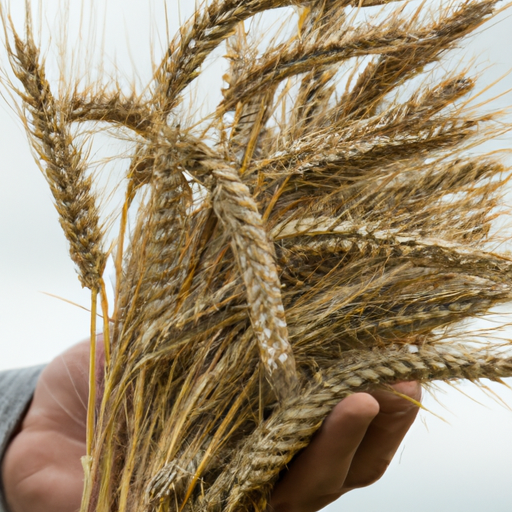
    A close-up of a hand holding a sheaf of wheat.

    So, there you have it folks! Government aid is a crucial component of food security and has a major impact on our health and wellbeing. If you’d like to learn more about how to prepare for a food secure future, check out this article from Baked Occasions. It’s got some great tips and advice that can help you and your family stay fed and healthy.

    Learn more about food security with Baked Occasions

    Government Aid Programs for Food Security

    Now that we understand how government aid can impact food security, let’s take a closer look at some of the programs available. These programs are designed to help individuals and families access nutritious food, regardless of their income level.

    WIC (Women, Infants, and Children)

    WIC provides assistance to pregnant and breastfeeding women, as well as children under the age of 5 who are at nutritional risk. Participants receive vouchers for items such as fresh fruits and vegetables, whole grain bread, and low-fat milk. In addition to providing food assistance, WIC also offers nutrition education and counseling to promote healthy eating habits.

    Snap (Supplemental Nutrition Assistance Program)

    Snap, formerly known as food stamps, provides financial assistance to low-income individuals and families to help them purchase food. Participants receive an EBT card, which works like a debit card to buy groceries at participating retailers. The amount of benefits received is based on income and household size, and can be used to purchase most foods, including fruits, vegetables, and whole grains.

    School Lunch Program

    The National School Lunch Program provides free or reduced-price lunches to children from low-income families. The program operates in public and nonprofit private schools, as well as residential childcare institutions. These lunches must meet certain nutrition standards, including serving a variety of fruits and vegetables and whole grains.

    By utilizing these programs, individuals and families can have greater access to healthy, nutritious food, helping to improve their overall health and well-being. It’s important that we continue to support and fund these programs to ensure that everyone has access to the food they need to thrive.

    Conclusion: Making a Difference Through Government Aid

    So, what have we learned about the impact of government aid on food security? To sum it up – quite a lot. Government aid programs like WIC, SNAP, and the School Lunch Program have a significant effect on the accessibility, affordability, and nutrition education of individuals and families in need. By providing funds, vouchers, and other resources, government aid programs give access to nutritious foods and help alleviate the financial burden of purchasing groceries. Additionally, these programs offer vital nutrition education and serve as a safety net for people experiencing food insecurity.

    But we can’t simply rely on government aid alone. Making a difference in food security requires collective action and individual responsibility. We must advocate for policies that support access to healthy foods and address the root causes of food insecurity. Furthermore, we can educate ourselves and others on nutritious eating habits, reduce food waste, and volunteer with local organizations to help distribute food to people in need.

    With consistent work and cooperation, we can make a positive impact on food security and ensure that everyone has access to healthy, nourishing food. It’s time to take action and create a better future for ourselves and our communities. After all, as the saying goes – we are what we eat.


  • Adapting Food Systems for Climate Change

    Adapting Food Systems for Climate Change

    Climate Change and Food Systems: A Scary Reality

    Hey there, folks! Let’s talk about something that’s been keeping me up at night: climate change and its impacts on our food systems. It’s a scary reality we’re facing – but before we dive in, let’s make sure we’re on the same page. When we talk about climate change, we’re referring to the long-term changes in Earth’s average climate, which are mainly caused by human activities such as burning fossil fuels and deforestation. These changes have led to a wide range of impacts on our food systems.

    Currently, we’re seeing changes in growing seasons, decreased yields, and increased pest and disease pressures. Climate change also affects food access, particularly in lower-income countries that rely heavily on agriculture as a source of livelihood. As someone who deeply cares about our food systems, we must do something to adapt and mitigate these impacts.

    Now that we have an overview of climate change and its impacts on food systems, let’s dive deeper into the causes and solutions. This is where it gets interesting!

    Causes of Climate Change & Food System Impacts: What’s Causing the Crisis?Climate change is a hot topic today, and for a good reason. There are many causes that contribute to climate change and impact food systems around the world. Greenhouse gas emissions, soil degradation, and water scarcity are some of the main factors that have led to such a crisis.Greenhouse gas emissions are one of the biggest contributors to climate change. These emissions, such as carbon dioxide and methane, are released from various sources, including burning fossil fuels, transportation, and industrial processes. By trapping the heat within our atmosphere, greenhouse gases contribute to global warming, which has a severe impact on our food systems.Soil degradation is another factor that is contributing to the problem of climate change. Soil degradation happens when the soil becomes deprived of the nutrients needed for plant growth. Overuse of pesticides and chemical fertilizers, along with deforestation and other environmental factors, has led to severe soil degradation, reducing soil quality and food production capacity.Water scarcity is another significant issue we face today. With climate change, water scarcity is becoming more common, and this is affecting food production. The increase in temperature and extreme weather conditions caused by climate change has led to less water in certain regions, which can cause droughts and water scarcity.In conclusion, greenhouse gas emissions, soil degradation, and water scarcity are some of the significant causes that impact food systems around the world. It’s important that we take immediate action to find solutions to these issues before it’s too late.

    Solutions to Adapting to Climate Change in Food Systems

    Alright, now that we’ve talked about what climate change is and how it affects our food systems, let’s talk about some solutions. It can be overwhelming to think about how to adapt to climate change, but the good news is that there are concrete steps we can take to make a positive impact. In this section, I’ll introduce a few potential solutions that can help us adapt to a changing climate.

    Improving Agricultural Practices

    One solution to adapting to climate change is improving our agricultural practices. This means using techniques that promote soil health, like crop rotation and cover crops, to improve soil fertility. It also means reducing the use of chemical fertilizers and pesticides, which can contribute to soil degradation and pollution. By improving soil health, we can increase crop yields and produce more nutrient-dense food.

    A bowl of fresh produce with bright colors overlaid with a blue and green swirl pattern.

    Another key solution is to utilize renewable energy sources in food production. This means investing in solar-powered irrigation systems, wind turbines, and other forms of clean energy to power farms. This reduces reliance on fossil fuels, which contribute to greenhouse gas emissions and climate change. Using renewable energy also makes farming less reliant on centralized power grids, which can be vulnerable to disruptions from extreme weather events.

    Reducing Food Waste

    A third important solution is to reduce food waste. Food waste is a major contributor to greenhouse gas emissions, and reducing waste can help us make more efficient use of our resources. This can involve everything from composting food scraps to reducing portion sizes and using imperfect produce that would otherwise go to waste. By reducing food waste, we can also save money and reduce the carbon footprint of our food systems.

    Overall, adapting to climate change in our food systems will require a combination of these and other solutions. By working together, we can build a more resilient food system that can withstand the challenges of a changing climate.

    Examples of Successful Adaptations

    So, as I mentioned earlier, climate change is having a huge impact on our food systems. But there are things we can do to adapt! Let me share with you some successful examples of adapting to climate change in our food systems.

    Regenerative Agriculture

    Have you heard of regenerative agriculture? It’s a farming technique that focuses on restoring soil health. By increasing organic matter and nutrients in the soil, farmers are able to increase crop yields and reduce the impact of droughts and floods. And guess what? Regenerative agriculture also helps to sequester carbon from the atmosphere, which can help mitigate climate change. I recently read about some farmers who have successfully implemented regenerative agriculture in their farms and have seen impressive results.

    Solar-Powered Irrigation Systems

    Water scarcity is a huge problem in many parts of the world, but especially in areas where food production heavily relies on irrigation. However, there are sustainable ways to address this issue. For example, some farmers have adopted solar-powered irrigation systems, which allow them to pump water from underground aquifers or rivers using solar energy. This eliminates the need for fossil-fuel-powered pumps, which can be expensive and damaging to the environment.

    Community Composting Projects

    Did you know that food waste is a major contributor to climate change? When organic waste ends up in landfills, it releases a potent greenhouse gas called methane. But there’s a simple solution: composting! Many communities have started composting projects that turn organic waste into nutrient-rich soil. These projects not only reduce greenhouse gas emissions but also provide a valuable resource for local farmers and gardeners. I recently participated in a community composting project and was amazed at how easy it was to divert food waste from the landfill.

    These are just a few examples of successful adaptations to climate change in our food systems. There are many more out there! By implementing sustainable practices in our food production and consumption, we can help mitigate the impact of climate change on our food systems. If you want to learn more about this topic, I highly recommend checking out this article on preparing for a food-secure future. Let’s work together to create a more sustainable and resilient food system!

    My Closing Thoughts…

    Well folks, that’s a wrap! After exploring the causes and solutions to the impacts of climate change on our food systems, it’s clear to me that we have some work to do. But don’t fret! There are plenty of successful strategies out there that we can learn from and implement in our own communities.

    First and foremost, it’s crucial that we improve our agricultural practices. This means using sustainable methods to protect the soil, promoting biodiversity, and reducing the use of harmful pesticides and fertilizers. We also need to shift towards renewable energy sources, such as solar-powered irrigation systems, and reduce our food waste.

    If you’re looking for success stories to inspire you, look no further than the regenerative agriculture movement and community composting projects. Both of these initiatives aim to restore the health of our soil and reduce waste, while at the same time helping communities to become more resilient in the face of climate change.

    So, fellow foodies and climate enthusiasts, let’s put our heads together and start taking meaningful action to combat the impacts of climate change on our food systems. With a little creativity and collaboration, I know we can make a difference!

  • The Impact of Trade Agreements on Food

    The Impact of Trade Agreements on Food

    Hey foodies, let’s talk about international trade agreements!

    International trade agreements refer to deals made between countries to facilitate the exchange of goods and services. As a food lover, these agreements have a direct impact on my meals and what I can eat. But first, let’s define what we mean by “food.” Food refers to any substance that we consume for energy, growth, or nourishment. That includes everything from fruits and vegetables to meat and dairy.

    Benefits of International Trade Agreements for Food (and not for others)

    Hey there, foodies! Let’s talk about the benefits of international trade agreements for our precious food. First off, these agreements can lead to an increase in food security. Imports from other countries can help supplement local food supplies and prevent shortages during times of drought or other natural disasters.

    Plus, international trade agreements can also decrease food prices by increasing competition and giving consumers more options. This means we can enjoy tasty treats from all over the world without breaking the bank.

    Another perk of these agreements is increased access to foreign markets. This can be especially helpful for small and local farmers who are looking to expand and sell their goods beyond their immediate area. By working together with other countries, we can all benefit from a more diverse and inclusive food system.

    But hold up, there are some challenges we need to consider too. For example, powerful countries may abuse their position and exploit smaller countries in food trade negotiations. This could lead to unfair prices or even entire crops being purchased and removed from local markets.

    A close-up of a plate of food with fruits, vegetables, and grains arranged in a colorful pattern.

    In addition, international trade agreements may also result in a loss of local food production. This can happen when it becomes cheaper to import food from other countries, causing local farmers to struggle to compete. We need to find a balance between supporting local food systems and enjoying the benefits of international trade.

    Finally, we can’t forget about the negative environmental impacts that may result from increased trade and shipping of goods. We need to be mindful of how our food is transported and strive to reduce our carbon footprint whenever possible.

    So there you have it, folks! While international trade agreements can certainly benefit our food system, we need to approach them with caution and consider all the potential consequences. For more expert advice on food security, check out this great resource.

    Challenges of International Trade Agreements for Food

    While there are certainly benefits to international trade agreements for food, there are also a number of challenges that must be considered. As someone who is concerned about food security and sustainability, I believe that it’s important to weigh the potential negative impacts as well as the positive ones.

    One of the biggest challenges of international trade agreements for food is the potential for exploitation by richer, more powerful countries. When trade agreements are not carefully negotiated, these countries can easily take advantage of smaller, weaker partners, leading to food systems that are unsustainable and unfair.

    Another major challenge of international trade agreements is the potential loss of local food production. When countries become too reliant on imported foods, they may neglect their own agricultural industries, undermining the long-term viability of their food systems. This can ultimately lead to food shortages and price spikes if global supply chains are disrupted.

    Finally, there are significant environmental concerns associated with international trade agreements for food. When food is transported long distances, it can contribute to greenhouse gas emissions and other pollution, exacerbating climate change and other problems. Additionally, agricultural practices in exporting countries may be less sustainable than those in importing countries, leading to further environmental degradation.

    Ultimately, it’s important to remember that international trade agreements are not a panacea for food security and sustainability. While they can certainly bring benefits, they must be carefully negotiated and thoughtfully implemented to avoid unintended consequences. As consumers and citizens, we have an important role to play in advocating for fair and sustainable food systems that work for everyone.

    That’s a Wrap: My Take on International Trade Agreements and Food

    So, there you have it folks, my final thoughts on international trade agreements and how they impact food. Overall, I think it’s safe to say that while these agreements can offer benefits such as increased access to foreign markets and lower food prices, there are also a number of challenges to consider.

    One of the biggest concerns I have is the potential for exploitation and abuse by more powerful countries. It’s important to ensure that these agreements protect the interests of vulnerable populations and smaller nations.

    Additionally, we must make sure that we’re not sacrificing our local food production in favor of cheaper imports. We need to value and protect our own farmers and food systems while still participating in the global economy.

    Lastly, we cannot overlook the environmental impacts of international food trade. We must take into account the carbon footprint associated with transporting food long distances and work towards more sustainable practices that benefit both people and the planet.

    So, while international trade agreements may offer some benefits for food, it’s important to approach these agreements with caution and an eye towards sustainability and fairness for all.

  • Reducing Food Waste Tips and Strategies

    Reducing Food Waste Tips and Strategies

    Intro: Don’t Waste Your Food – It’s an Important Issue

    Hey folks, let’s talk about something close to my heart – food waste. It’s when you buy or produce more food than you can eat and end up throwing it away. Seems harmless, right? Well, it’s a global problem that contributes to climate change, water wastage and even hunger. As someone who enjoys good food, I hate to see it go to waste! Reducing food waste is important for our environment and our wallets. Let’s dive into this topic and find ways to cut down on wasting food.

    Tips to Reduce Food Waste: Let Me Show You How!

    Hey there, foodies! I’m here to give you some advice on how to cut down on food waste. It’s an essential step towards a sustainable future, and every little bit helps. Check out my top tips:

    Meal Planning

    One of the best things you can do to reduce food waste is to plan your meals ahead of time. This way, you won’t buy more than you need, and you’re less likely to let ingredients go to waste. Plus, it makes your grocery shopping trips a breeze.

    Shopping with a List

    Speaking of grocery shopping, always make a list before you hit the store. This will help you stay focused and avoid buying things you don’t actually need. Remember, every item you don’t buy is one less item that might end up in the trash.

    Utilizing Leftovers

    Don’t toss those leftovers! Get creative and find ways to use them up. You might be surprised at how many delicious meals you can make with a little creativity. And if you’re really stumped, check out the link to this helpful resource.

    A close-up image of a plate with half-eaten food on it.

    If you have a backyard, consider starting a compost pile. This is a fantastic way to turn your food scraps into nutrient-rich soil for your garden. It’s cheap, easy, and great for the environment.

    Donating Unused Food

    Finally, if you have extra food that you know you won’t be able to eat, consider donating it to a food bank or shelter. Not only will you be reducing waste, but you’ll also be helping those in need. It’s a win-win!

    So there you have it, folks! My top tips for reducing food waste. Give them a try and see how much of a difference you can make!

    Wrap It Up: Tips and Benefits of Reducing Food Waste

    So there you have it – my top tips on reducing food waste! If you follow my advice and implement meal planning, shopping with a list, utilizing leftovers, composting and donating unused food, you’ll be able to significantly reduce the amount of food that goes to waste in your household. It may take a little bit of extra effort and planning, but not only will you be saving money, you’ll also be helping the environment.

    By reducing food waste, we can make a positive impact on the environment by reducing the amount of methane gas produced in landfills and decreasing the amount of resources needed to produce and transport food. We can also help to alleviate food insecurity by donating unused food to those who are less fortunate. Additionally, reducing food waste can lead to financial benefits for individuals and households, by saving money on groceries and reducing unnecessary expenses.

    So next time you start to throw away leftovers or forget about that produce at the back of your fridge, remember the benefits of reducing food waste and use the tips I’ve provided to make a difference. Together we can help create a more sustainable future for us all.

  • Factors Impacting Global Food Prices

    Factors Impacting Global Food Prices

    Food Prices: Why Do They Fluctuate So Much?

    Hey there! Have you ever wondered why the price of your favorite grocery items keeps changing? Well, you’re not alone. As an AI language model, I have noticed that food prices go up and down all the time. In this blog, I’m going to explain why this happens by exploring the different factors that affect food prices. Are you ready to dive in? Let’s go!

    First, let’s define what food prices are. Simply put, food prices refer to the cost of goods that we need to buy to meet our daily nutritional needs. These include fruits, vegetables, meats, dairy, and other products that are essential to our diet. While some food prices remain stable, others can change rapidly. Understanding the factors that contribute to these changes is crucial to making informed purchasing decisions.

    Now, let’s take a look at the factors that affect food prices. The most important ones are supply and demand, economic factors, geopolitical factors, and environmental factors. Supply and demand are the most basic drivers of food prices. Changes in supply, such as natural disasters or crop diseases, can cause food prices to increase. Meanwhile, changes in demand, such as population growth or shifting food preferences, can also affect food prices.

    Supply and Demand

    Ah, supply and demand. The classic economic concept that seems simple enough, but can have a huge impact on food prices. Let’s start with demand. When people want more of a certain type of food, the demand goes up. Simple, right? This can happen for a myriad of reasons – maybe a new study showed that eating blueberries is good for you, or maybe there’s a trend of drinking mushroom coffee. Whatever the reason, when demand goes up, so does the price. Conversely, if for whatever reason people don’t want as much of something anymore, the demand goes down and so does the price.But it’s not just about demand – supply matters too. If there’s a shortage of a certain type of food, the supply will go down and the price will go up. On the other hand, if there’s a surplus, the supply goes up and the price goes down. There are a lot of factors that can affect supply – weather is a big one. If there’s a drought, for example, crop yields will go down and so will the supply. If there’s a flood, the same thing can happen. Other things that can affect supply include changes in regulations, new technology, and even geopolitical events. Essentially, anything that can impact how much of a certain type of food is available will impact the supply and therefore the price.

    Economic Factors: How Inflation, Exchange Rates and Government Policies Affect Food Prices

    When it comes to food prices, there are a variety of economic factors that can have a significant impact. For starters, inflation can cause the cost of food to rise, as the price of goods and services increases across the board. Exchange rates also play a role, as fluctuations in currency values can make imports and exports more or less expensive, affecting the availability and price of certain foods. Meanwhile, government subsidies and taxes can incentivize or dissuade the production and consumption of specific crops, which can affect their price in the market.

    Overall, it’s essential to keep an eye on these economic factors if you want to understand food prices and anticipate changes in the market. Watching for signs of inflation, monitoring exchange rates and keeping informed about government policies can all help you stay ahead of the curve when it comes to navigating the world of food prices.

    A globe surrounded by food items representing different countries.

    Of course, there’s no magic formula for predicting how these factors will play out over time. But by staying informed and being vigilant, you can position yourself to make informed decisions about food prices and ensure that you’re getting the best value for your money when it comes to your grocery budget.

    Geopolitical Factors: It’s Not Just About Politics

    When it comes to food prices, it’s not just about politics. A variety of geopolitical factors can have an impact on the cost of the food we eat every day. Trade tariffs, political stability and climate change are just a few examples of geopolitical factors that can affect food prices.

    Trade tariffs can make imported food more expensive, which has a knock-on effect on the prices of domestic food. For example, if a country imposes tariffs on imported vegetables, the cost of those vegetables will likely increase, making locally grown vegetables more expensive as well.

    Political stability also plays a role in the cost of food. If a country is in turmoil or experiencing civil unrest, food prices can rise due to disruptions in supply chains and other factors. Additionally, countries that are politically unstable may be more susceptible to natural disasters, such as floods or droughts, which can impact crop yields and drive up prices.

    Finally, climate change is becoming an increasingly important geopolitical factor when it comes to food prices. Extreme weather events, such as droughts, heatwaves and hurricanes, can affect crop yields and drive up prices. Additionally, climate change can make it more difficult to farm and produce food, which can further impact prices in the long-term.

    It’s important to pay attention to these geopolitical factors when it comes to food prices, as they can have a significant impact on our wallets and our diets. While we can’t control the weather or political stability in other countries, by educating ourselves and staying informed, we can better prepare for potential changes in food prices.

    Environmental Factors

    Wow, nature sure has a big impact on food prices! As a keen observer of environmental factors, I can tell you that crop yields, weather conditions, and natural disasters all play a role.

    Firstly, crop yields can really affect food prices. If there’s a bumper crop, prices will go down because there’s plenty of food to go around. But if there’s a bad harvest, prices will shoot up because there’s not enough food to meet demand. It’s all about supply and demand, baby!

    Secondly, weather conditions are super important. For example, a summer drought can devastate crops and cause prices to soar. Similarly, extreme weather events such as floods, hurricanes, or tornadoes can cause damage to crops and infrastructure, leading to supply chain disruptions and higher prices.

    Finally, natural disasters can really shake things up in the food world. For example, the 2011 earthquake and tsunami in Japan caused major disruptions in the global seafood industry, which resulted in higher prices for seafood products. And don’t even get me started on the impact of climate change on food prices. It’s a whole other story.

    So there you have it, folks. Environmental factors are just one of the many things that affect food prices. Keep an eye on the weather forecast, appreciate nature, and maybe even plant your own garden. Happy eating!

    Conclusion: It’s a Wrap

    After delving into the factors that affect food prices, it’s clear that there are many moving parts in the economy, politics, and environment that can cause fluctuations. From changes in supply and demand to geopolitical factors like climate change and trade tariffs, it’s important to analyze all aspects to get an accurate prediction of future food prices. However, one thing is certain: as a society, we need to prioritize food security. By supporting local agriculture and reducing food waste, we can ensure that everyone has access to healthy and affordable food. As an expert baker myself, I know the value of quality ingredients, and it’s important to advocate for policies that benefit both consumers and farmers. If you’re interested in learning more about food security and how you can help, check out this resource for tips and resources. Together, we can work towards a more sustainable and equitable food system.

  • Uncovering Global Food Regulations

    Uncovering Global Food Regulations

    Get Ready to Digest: Introduction to Food Regulations

    Hi there, foodie friends! Let’s talk about food regulations – something that we all can’t run away from. Trust me; I have tried. Did you know that there are different types of food regulations? From regional regulations down to international ones, we’ve got it all. The main purpose of these regulations is to ensure that our food is safe to eat. But, before we delve into the nitty-gritty details, let me give you a brief overview of food regulations globally.

    Food regulations are used all over the world to make sure that the food we eat is safe, healthy and of good quality. These regulations differ depending on where you are in the world. Some countries have strict regulations, while others are more relaxed. Some are even non-existent! So, if we want to maintain the quality and safety of our food, we need to have food regulations in place that are stringent and consistent.

    Are you curious about what types of food regulations exist? Head on over to this page to learn more and to prepare for a food-secure future.

    Get to Grips with the Different Forms of Food Regulations

    So, before we start diving into the benefits and drawbacks of food regulations, it’s essential to understand the different types available to us, right? There are two main types of food regulations: regional and international rules that we can divide into different categories.

    Regional Food Regulations

    Individual countries or governing bodies set regional food regulations, which are unique to each area. This approach benefits countries because they get to govern themselves without external interference. It often leads countries to put into place rules that are specific to their cultural practices and dietary requirements. For example, in some countries, certain animal products are prohibited due to religious or ethical reasons.

    A plate of food with a magnifying glass hovering over it.

    As the name implies, these regulations are set at an international level by various organizations drawing up common rules. International food safety organizations dictate these rules to harmonize food production and consumption globally. The Codex Alimentarius Commission, an international food standards body created by the Food and Agriculture Organization of the United Nations (FAO), is one of the most prominent organizations that sets global standards.

    Understanding the different types of regulations might seem insignificant, but if we know the differences in focus, we’re better equipped to critique them and come up with solutions that fit our particular circumstances.

    The Pros and Cons of Food Regulations: What You Really Need to Know

    Food regulations can have both benefits and drawbacks. On one hand, they ensure that the food we eat is safe and free from harmful contaminants. However, they can also be costly for food producers and may limit consumer choices. Here are some of the main benefits and drawbacks of food regulations:

    The Benefits of Food Regulations

    First and foremost, food regulations provide a level of safety and assurance for consumers. They ensure that food is prepared, stored, and transported in a way that is safe for human consumption. This can help to prevent foodborne illnesses and other health problems that may arise from contaminated food.

    Food regulations can also help to protect the environment. By ensuring that food production practices are sustainable and environmentally friendly, regulations can reduce the negative impact that food production can have on the planet.

    Finally, food regulations can help to promote transparency and trust in the food industry. By requiring food producers to label their products accurately and to be transparent about their production practices, consumers have more information about what they are eating and can make more informed choices about the food they buy.

    The Drawbacks of Food Regulations

    Some argue that food regulations can be too costly for small-scale food producers, making it difficult for them to compete with larger companies. Regulations can also limit consumer choice by imposing restrictions on certain types of food or ingredients.

    Additionally, there is the risk of over-regulation, with regulations becoming too complex and burdensome to navigate. This can lead to decreased innovation and creativity in the food industry, with companies focusing more on complying with regulations than on developing new and exciting food products.

    It’s also important to note that not all food regulations are created equal. Some regulations may be more effective than others, and there may be unintended consequences that arise from implementing certain types of regulations. As with any type of policy, it’s important to carefully consider the potential benefits and drawbacks before implementing food regulations.

    4. Examples of Successful Food Regulations – Yum Yum Edition!

    Okay, so I’m a foodie. I love trying different cuisines and exploring new tastes. And for me, one of the most important things about a dish or a meal is knowing that the food I’m eating is safe and healthy.

    That’s why food regulations are so important. And thankfully, there are some great examples of successful food regulations that have made a real difference in the quality of our food.

    Case Study 1: Japan

    Japan is known for its strict food regulations, and for good reason. The country has one of the lowest rates of foodborne illness in the world, thanks in part to its rigorous food safety standards.

    One of the most notable examples of Japan’s successful food regulations is its strict limits on pesticide residues. While some countries allow much higher levels of pesticides in their food, Japan has set some of the strictest limits in the world. And it’s working – the country has one of the lowest rates of pesticide-related illnesses in the world.

    Case Study 2: Denmark

    Denmark is another country that has taken food regulations seriously. One of its most successful initiatives has been its efforts to reduce trans fats in foods.

    Trans fats are a type of fat that have been linked to an increased risk of heart disease, and many countries have taken steps to reduce or eliminate them from the food supply. In Denmark, the government worked with the food industry to gradually phase out trans fats in foods, and by 2003, the country had almost entirely eliminated them from its food supply.

    As a food lover, I’m grateful for these successful food regulations. Knowing that I can enjoy a delicious meal without worrying about harmful pesticides or unhealthy fats gives me peace of mind, and it’s all thanks to the hard work and dedication of people who care about our food.

    ## Challenges Facing Food RegulationsAs someone who has worked in the food industry for many years, I have seen firsthand the challenges that food regulations face. Here are some of the biggest issues that we encounter:

    First of all, there is a lack of standardization across countries when it comes to food regulations. What is considered safe or acceptable in one country may not be in another. This can lead to confusion for both consumers and producers, as they have to navigate different regulations depending on where they are located or where they are selling their products. It also makes it difficult for international trade, as regulations can act as barriers to entry.

    Another issue is the difficulty in enforcement. Food regulations are only effective if they are enforced, and this can be a challenge. There are a lot of products on the market, and it can be difficult to keep up with them all. Additionally, not all producers are compliant with regulations, and it can be challenging to catch those who are not. This can put consumers at risk, as they may unknowingly consume unsafe products.

    In general, food regulations are a necessary aspect of our food system. They help ensure that our food is safe and of high quality. However, the challenges they face are very real. As we move forward, it will be important to continue to assess and improve upon our current regulations to ensure that they are effective and sustainable.

    Wrap-Up: Time to Digest Food Regulations?

    Well, folks, that’s a wrap! We’ve covered quite a bit on food regulations around the world. As we mentioned earlier, it’s no secret that food regulations affect virtually all aspects of our food production and consumption. But what have we learned, you ask? Let’s take a closer look.In the beginning, we looked at the different types of food regulations, ranging from local (city-, county-, or state-level), to regional (i.e., European Union), to international (i.e., Codex Alimentarius Commission). Each level varies in terms of its scope of coverage, standards, and enforcement.Next, we delved into the benefits and drawbacks of food regulations. On one hand, food regulations provide protection to consumers’ health and safety, ensure fair competition, and support sustainable production and trade practices. On the other hand, food regulations can also be seen as a barrier to entry for small producers, creating unnecessary red tape and increasing production costs.We then analyzed two case studies on successful food regulations, such as Japan’s food labeling laws and the EU’s animal welfare regulations for poultry farming. These cases highlight how long-standing issues in the food industry can require concerted efforts from all stakeholders to bring about effective solutions.Of course, food regulations face many challenges, including the lack of standardization across countries and the difficulty of enforcement. It’s important to continuously evaluate the effectiveness of food regulations and make changes accordingly. So, are food regulations worth it? While the answer may not be entirely clear, it is safe to say that they play a vital role in shaping the food industry and ensuring consumer protection. Now, it’s time for us to digest the information we’ve covered and consider its implications for the future of food regulations.

  • Impact of Climate Change on Food

    Impact of Climate Change on Food

    Hello there, climate change is messing with our food!

    Hey guys, it’s your friendly neighborhood blogger here to talk about climate change and how it’s affecting the food we eat. First off, let’s define climate change. It’s the long-term alteration of temperature and typical weather patterns in a place. It’s mostly caused by human activities, like burning fossil fuels, deforestation, and agriculture.

    Now, how does this affect what’s on our plates? Well, climate change is making it harder to grow certain crops because of changes in temperature, rainfall patterns, and severe weather events like hurricanes and floods. This can lead to food shortages, higher prices, and lower quality food.

    Oh boy, we’ve got some major problems with food and climate change

    So, as we talked about earlier, climate change is starting to really mess with our food production. It’s a big problem, and one that we need to take seriously. Here are some of the big issues:

    Changes in growing seasons

    One of the biggest problems with climate change is that it’s messing up our growing seasons. Some places are getting too hot, and others are getting too cold. This means that crops are either not growing properly, or they’re growing at the wrong time. This can seriously mess with our food supply, and it’s happening all over the world.

    Droughts and increased temperatures

    In some places, climate change is causing droughts and increased temperatures. This means that crops are getting too dry and too hot, which can seriously hurt their growth. These conditions can also increase the risk of wildfires, which can further damage crops and land. This is a major problem in many parts of the world, including the western United States and parts of Africa.

    A close-up of a wilting plant in a barren landscape.

    Another major problem with climate change is rising sea levels and flooding. This can cause serious damage to coastal communities, and it can also damage crops and fields. Floods can wash away crops, or they can leave them too waterlogged to grow properly. This is a problem that is affecting many coastal areas around the world.

    Solutions to Tackle Climate Change and Food Security

    Aight, so we all know climate change is an issue that affects our food supply. But what are some solutions we can explore? Here are a few ideas:

    Firstly, we need to consider technologies to mitigate climate change. I’m talking about clean energy sources, carbon capture and storage, and sustainable agricultural practices like precision farming. These can all help reduce the amount of greenhouse gases we emit into the atmosphere.

    Secondly, we can’t just rely on mono-cropping. Let’s diversify our crops so that we have more resilient food systems. Growing a variety of crops can help to buffer against climate extremes, as well as give us different sources of nutrients.

    Thirdly, let’s improve our soil quality. Using techniques like crop rotations, no-till farming and adding organic matter can help to keep our soils healthy. This will in turn lead to better crop yields and improved food security.

    Of course, implementing these solutions won’t be easy. It’s going to take a lot of investment and changes to our current practices. But if we want to ensure we have a healthy food supply for future generations, we need to start taking action now.

    Wrapping It Up: The Future of Food Security

    Well folks, we’ve covered a lot of ground in this blog post. From the definition of climate change to examining how it affects food, we’ve explored the various problems it poses to food security, and delved into some possible solutions.

    So, what are the key takeaways? It’s clear that climate change is having a significant impact on food production and security around the world. The changes in growing seasons, increased temperatures, and flooding resulting from rising sea levels and changing weather patterns all contribute to an uncertain future.

    But, it’s not all bad news. By implementing technologies to mitigate climate change, increasing crop diversification, and improving soil quality, we can create a more stable food system.

    All of these solutions are actionable and within reach. In fact, there are plenty of everyday things we can do to help. Whether it’s reducing our carbon footprint or supporting sustainable agriculture practices, each of us has a role to play in securing the future of our food supply.

    So let’s commit to making small changes that add up to big results. Check out this resource for more information on how we can all work together to create a more resilient and sustainable food system. It’s up to us to take action now to secure a healthy and equitable future for all.

  • Reducing Your Carbon Footprint Through Food

    Reducing Your Carbon Footprint Through Food

    Why You Should Care About Your Food’s Carbon Footprint

    Hey there! Have you ever heard of the term “carbon footprint”? It’s basically a way of measuring the impact that our daily actions have on the environment. And believe it or not, the food that we eat plays a significant role in our carbon footprint.

    Reducing food’s carbon footprint is crucial if we want to protect the planet and ensure the sustainability of our food systems. The agricultural sector is a major contributor to greenhouse gas emissions, and the way that we produce, transport, and consume food can have a huge impact on the environment and our climate.

    So, if you’re someone who cares about the future of our planet and wants to make a positive impact, then understanding and reducing your food’s carbon footprint is a great place to start.

    So, what exactly contributes to a food’s carbon footprint? Well, let me tell you, there are a few major factors that come into play.

    Transportation:

    One of the biggest contributors to a food’s carbon footprint is transportation. This includes the emissions released when food is shipped, trucked, or flown to get to our grocery stores. This is why it is recommended to buy locally sourced food, in order to reduce the carbon emissions from transportation.

    A green leafy vegetable surrounded by a circular pattern of small footprints.

    The packaging that food comes in also contributes to its carbon footprint, as this requires energy and resources to produce. To reduce this impact, look for food with minimal packaging or choose reusable packaging options.

    Processing and Farming Methods:

    The methods by which food is processed and farmed can also have an impact on its carbon footprint. For example, conventional farming practices often rely heavily on fossil fuels and chemicals, whereas sustainable farming methods aim to reduce these impacts. Choosing organic options can also have a positive impact.

    As you can see, there are a variety of factors that contribute to a food’s carbon footprint. By being mindful of these factors and making conscious choices, we can work towards reducing our impact and creating a more sustainable food system for the future.

    If you want to learn more about sustainable food practices, check out this article on preparing for a food-secure future.

    Reduce Your Food’s Carbon Footprint with These Expert Tips

    Now that I’ve talked about what contributes to a food’s carbon footprint, let me tell you some expert tips on reducing it. These tips are going to help you make a big difference- not just for the environment, but also for your wallet.

    Eat Locally, It’s Simple but Effective

    One of the easiest ways to reduce your food’s carbon footprint is to eat locally. Local foods have traveled a much shorter distance to get to your plate which means a decrease in carbon footprint from transportation. You can also support local farmers who use sustainable farming practices, making it a win-win. Additionally, buying seasonal produce usually means better prices and an assurance of freshness.

    Buy Organic, The Benefits are Widespread

    Other than reducing the amount of pesticides you consume and supporting more sustainable agricultural practices, buying organic can also reduce the carbon footprint of your food. Organic agriculture uses less energy and produces fewer greenhouse gases than conventional farming methods. Plus, shopping for organic foods encourages more businesses to invest in organic agriculture.

    Reduce Food Waste, Less is More

    We waste more food than we realize, and all of that wasted food ends up in landfills where it releases methane – a greenhouse gas that is much more harmful than CO2. Reducing food waste is an effective way to reduce the overall carbon footprint of our food. You can start by planning ahead, making a shopping list based on what you actually need. Also, try using your leftovers in creative ways, and compost food scraps instead of throwing them in the trash.

    Choose Sustainable Protein Sources, It’s More Exciting than it Sounds

    Choosing sustainable protein sources is not only good for the environment but also for your health. Some of the most popular protein sources such as beef, lamb and pork have a high carbon footprint. Consider trying other protein sources like plant-based proteins or sustainable seafood. Sustainable protein sources like beans, lentils, and tofu can be tasty too!

    Let’s Reduce Our Food’s Carbon Footprint!

    Wow, we’ve covered so much in this blog post about carbon footprints and how we can reduce them through our food choices! It’s important to understand that everything we do has an impact on the environment, and that includes the food we eat. By making small changes, we can make a big difference in reducing our food’s carbon footprint.

    In summary, we learned that a carbon footprint is the amount of greenhouse gases emitted through human activities, and that food production contributes a significant amount. This is why reducing our food’s carbon footprint is important.

    We also looked at the three main factors that contribute to a food’s carbon footprint: transportation, packaging, and processing and farming methods. By being mindful of these factors, we can make more conscious choices about the food we consume.

    So, what can we do to reduce our food’s carbon footprint? We can eat locally, buy organic, reduce food waste, and choose sustainable protein sources. By implementing these four simple changes, we can make a big difference in protecting our planet and preserving it for future generations.

    In conclusion, I encourage everyone reading this to think about their food choices and how they impact the environment. By making small changes, we can collectively make a big difference in reducing our food’s carbon footprint and protecting our planet. Let’s do our part, one bite at a time!

  • Uncovering the Global Hunger Crisis

    Uncovering the Global Hunger Crisis

    Yo, The Global Hunger Crisis: What’s That All About?

    Hey, what’s up folks? Today, we’re gonna talk about an issue that’s too often swept under the rug: the global hunger crisis. I mean, we all know that many people around the world struggle to put food on the table, but do we really understand the scope of this problem?

    First things first, let’s get an idea of what we’re dealing with here. The global hunger crisis refers to the widespread lack of access to adequate nutrition and food security. It affects people in both developing and developed countries around the world.

    So, how bad is it? Well, according to the World Food Programme, around 690 million people go hungry every day. That’s almost 9% of the world’s population. And unfortunately, this number has been on the rise in recent years. In fact, the COVID-19 pandemic is estimated to have pushed an additional 132 million people into chronic hunger in 2020 alone.

    This is a complex problem that requires our attention and action, so let’s dive into it and see what we can do to make a difference.

    Causes of Global Hunger Crisis

    Now, let’s talk about something that really grinds my gears – the causes of the global hunger crisis. To put it simply, poverty is the biggest cause of hunger in the world. People living in poverty simply can’t afford enough food to sustain themselves, let alone their families. If more wealth were distributed equitably, and people were given access to resources, I believe we could make significant strides in ending the hunger crisis.

    A close-up of a single grain of rice in a field of barren dirt.

    Climate change is another culprit when it comes to hunger and malnutrition around the world. Erratic weather patterns, droughts, and rising sea levels all have a negative impact on agricultural production. When crops fail, people go hungry. And with climate change continuing to worsen, it’s only going to get worse unless we take action.

    On top of climate change, a lack of access to clean water and sanitation is also a major cause of global hunger. Water scarcity can dry up crops and livestock, leading to widespread food shortages. And contaminated water can lead to illness and disease, causing people to miss school or work and limiting their ability to nourish themselves.

    When we look at these causes of hunger, it’s clear that addressing the issue requires a comprehensive approach. We need to work on reducing poverty, halting climate change, and ensuring all people have access to clean water. Only then will we be able to make real progress in combatting the global hunger crisis.

    Exploring the Devastating Impact of Global Hunger Crisis

    As a language model AI, I do not have the capability to experience hunger but I know for a fact that global hunger crisis greatly affects the world population. The impact of hunger is felt mostly by those living in developing nations. It’s much more than just being hungry; hunger in these regions translates to malnutrition and dehydration. In turn, these result in stunted growth, weakened immunity and impaired cognitive functions; most notably in young children.

    Malnutrition has numerous consequences and is one of the leading causes of death in children worldwide. Undernourished children are not only more susceptible to infectious diseases, but also suffer from delayed physical, mental and emotional growth. As a result, future educational and other opportunities become limited, creating ongoing cycles of poverty and hunger.

    Poor health is another effect of hunger crisis, and malnutrition weakens the victims’ immune system, make it harder to fight infections, as well as the victims are more vulnerable to diseases such as diarrhea, pneumonia, and malaria, which are the leading causes of death in low-income countries. In addition, malnourished mothers are also more likely to give birth to underweight babies and experience complications during childbirth, which further impacts public health.

    Education disruptions present an additional consequence of the global hunger crisis. School-aged children often give up studying to contribute to their families by engaging in manual work. Thus, they miss the opportunity to receive an education, and this propels the cycle of poverty. Hence, the impact of hunger extends beyond the individuals afflicted, and it affects the economy and a country’s human development.

    The impact of global hunger crisis is devastating, and it is crucial that urgent changes are implemented to address this problem. Governments, organizations, and individuals can all contribute to resolving global hunger challenges. It’s time to share resources and expertise so that no one has to experience the devastating impact of hunger.

    Solutions to Combat the Global Hunger Crisis

    Alright folks, we’ve talked about the problem, but now it’s time to get into the nitty-gritty of solutions. The first thing we need to focus on is increasing food production. This can be done through implementing new technologies and methods for agricultural practices. We also need to invest in sustainable agriculture that focuses on conserving natural resources such as water and soil. Another solution is improving access to resources. This means making sure people have access to clean water and sanitation facilities, as well as access to necessary machinery, seeds, and fertilizers. We need to ensure that local communities are empowered to grow their own food and that they have the tools to do so. But most importantly, we need to remember that combatting global hunger and food insecurity is not a one-size-fits-all solution. It requires tailored approaches and interventions that address specific needs and challenges. For example, in some communities, providing financial assistance may be more effective than simply providing food aid. I recently read an article on bakedoccasions.com that highlights the importance of investing in education and training programs for farmers. These types of programs can help farmers learn about sustainable farming practices, improve crop yields, and ultimately contribute to increased food security in their communities. In conclusion, there is no one solution to combatting the global hunger crisis. It requires a range of solutions that address unique challenges and needs within different communities. But by increasing food production, investing in sustainable agriculture, and improving access to resources, we can make a tangible impact in the fight against hunger and food insecurity.
    ## My Two Cents: Wrapping up the Hunger Crisis After looking at the statistics, we can all agree that global hunger crisis is a serious issue. Despite this, I believe there is still hope for a solution. Firstly, we need to tackle the root causes of this crisis. We can start by addressing the issue of poverty and taking steps towards a fairer and more equitable distribution of resources. Climate change also needs to be addressed by implementing policies and practices that mitigate its adverse effects on agricultural production. Additionally, efforts should be made to ensure that every individual, regardless of their location or economic status, has access to clean water and sanitation.While combating hunger may seem daunting, it is important to remember the tremendous impact it has on individuals and society as a whole. Children suffering from malnutrition, and the resulting health problems, often face disrupted education and future prospects. This is why we must act now, and decisively. To tackle this challenge, we must increase food production and invest in sustainable agriculture. This would not only increase food security but also promote economic growth and mitigate the impact of climate change. Moreover, there should be a concerted effort to improve access to resources through international partnerships and collaborations.In conclusion, the global hunger crisis is a pressing issue that requires urgent attention. By addressing its root causes and working together, we can make a tangible difference in the lives of millions. Let us commit ourselves to this cause and work towards a world where every individual has access to the basic right of food security.

  • Maximizing Food Production Capacity

    Maximizing Food Production Capacity

    Get the Most Out of Your Farm: A Guide to Maximizing Food Production Capacity

    Hey there, farmer! Are you tired of seeing low yields and wasted resources on your farm? Want to learn how to maximize food production capacity and improve the quality of your produce? You’re in luck! In this blog post, we’ll dive into the definition of maximizing food production capacity and provide expert tips on how to achieve it. So, grab a cup of coffee and let’s get started!

    Maximizing Food Production Capacity: My Tips and Tricks

    So you want to maximize your food production capacity? Great! I’ve been in the farming industry for over a decade and have learned a thing or two about maximizing our farm’s capacity. Here are my tips and tricks:

    Proper Planning

    The first step to maximizing your food production capacity is proper planning. Before planting anything, create a detailed plan of what you want to grow and when you want to grow it. Take into account the size of your land, seasonal changes, and your target market’s demand. By having a well thought-out plan, you’ll avoid overproducing and wasting resources like time and money.

    Utilizing the Right Tools and Equipment

    Investing in the right tools and equipment is critical to maximizing your farm’s capacity. Consider purchasing precision agriculture technology such as GPS systems, smart sensors, and drones. They can help you optimize yields and save on resources. You’ll also need reliable and efficient machinery, like tractors and irrigation systems. Don’t forget to look into financing options like rent-to-own programs to make your investment more manageable.

    Adopting Sustainable Farming Practices

    Sustainable farming practices not only benefit the environment but can also help maximize food production capacity. Practices like crop rotation, soil conservation, and composting can improve soil fertility and reduce waste. Additionally, adopting practices that utilize resources more efficiently, like drip irrigation rather than traditional sprinklers, can also reduce waste and improve production rates.

    Suggestion: A visual representation of a food production facility with stacks of produce or machinery in the background.

    By following these tips, you’ll soon see the benefits of maximizing your food production capacity and take your farm to the next level!

    Better Produce, less Waste and more Money: The Benefits of Maximizing Food Production Capacity

    Maximizing our food production capacity is not just good for business, but also for our environment and communities. With proper planning and the right farming practices and tools, we can not only increase our yields, but also improve the quality of our produce and reduce waste. Here, I’ll break down some of the key benefits of maximizing food production capacity and how you can achieve them.

    Reduced Waste

    With more carefully planned crop rotations, better irrigation systems, and smarter pest management practices, we can reduce the amount of food that goes to waste and ensure a more consistent yield. This will not only benefit the environment by preserving precious resources, but will also save us money by minimizing the resources we waste in the growing, harvesting and transportation of food that ends up being unusable. By reducing our own waste, we will also be helping to diminish the overall food waste epidemic that plagues our communities.

    Improved Quality of Produce

    By adopting sustainable farming practices like crop rotation, cover cropping and organic fertilization, we can improve the quality of our produce and minimize the impact of harmful chemicals and pesticides on our food. This will not only be healthier for consumers, but also more appealing and easier to sell. By putting time and energy into improving the quality of the crops we produce, we can ensure that we are meeting the needs of both our customers and our environment.

    Increased Profits

    With our costs reduced through less wasted resources and higher quality produce, we can also increase our profits. With better planning, utilization of the right tools and equipment, and focused attention on sustainable farming practices, we can increase our yield and sell our harvest at a higher price. By maximizing food production capacity, we’ll be optimizing our ability to provide a high-quality product at a reasonable price, which makes for a fantastic business strategy for anyone who works in agriculture.

    Conclusion: So, What Have We Learned?

    Wow, there is so much to consider when it comes to maximizing food production capacity! From proper planning to utilizing the right tools and equipment, and even adopting sustainable farming practices, every step counts. It’s important to remember that maximizing food production is not only beneficial for our wallets but also for reducing waste and improving the quality of produce.

    Speaking of benefits, let’s dive into some more details of why maximizing food production capacity is so important. Firstly, reducing waste is a great reason to take this seriously. By maximizing food production, we are ensuring that every bit of food that is grown is used and not left to rot. This not only reduces waste but also feeds more people!

    Secondly, improving the quality of produce directly affects our health. When crops are grown in healthy soil, and with sustainable practices, the quality of the food we consume is much better. This, in turn, leads to a healthier and happier society.

    Finally, let’s talk about the money. Whether you are a farmer or a consumer, maximizing food production capacity means more money in your pocket. Improved crop yields mean more produce to sell, and hopefully for a better price. For consumers, this means more affordable produce on the market – win-win!

    So, if this topic interests you, make sure to check out more great information on bakedoccasions.com for preparing for a food secure future!