Category: Latest

  • Creating Sustainable Food Sources

    Creating Sustainable Food Sources

    Let’s Talk Sustainable Food Sources: What Are They and Why Do We Need Them?

    What’s up, foodies? Today, we’re diving into the topic of sustainable food sources. But hold up, what even is that? Sustainable food sources are systems that produce food in a way that doesn’t harm the environment, animal welfare, or human health. You might be thinking, “Why should I care?” Well, let me tell you, creating sustainable food sources isn’t just a trend – it’s crucial to ensuring that we have enough food for future generations. Don’t believe me? Check out this article on preparing for a food-secure future.

    So, why do we need sustainable food sources, you ask? Firstly, we need to consider the environmental impact of the current industrial food system. Large-scale farms and food processing contribute to air and water pollution, soil degradation, and biodiversity loss. These problems not only affect the natural world but also impact the quality and safety of our food. In addition, supporting sustainable food systems can benefit local communities by creating job opportunities, promoting biodiversity, and fostering a sense of connection with our food sources.

    Now that we’ve established the importance of sustainable food sources, let’s explore some steps we can take to create them. From investing in local agriculture to utilizing hydroponic growing techniques, there’s a lot we can do to make a difference. Keep reading to learn more!

    Why Sustainable Food Sources Are a Game-Changer

    Hey friends, let me tell you something – creating sustainable food sources isn’t just good for the planet, it’s also good for us. Let me share with you some of the amazing benefits of sustainable food sources.

    First things first – sustainable food sources helps reduce our carbon footprint. Agriculture is responsible for a large portion of the world’s greenhouse gas emissions. However, by creating sustainable food sources, we can reduce the impact we have on the environment and move towards a greener future. Plus, it ensures that we have a supply of fresh, healthy food for years to come.

    A lush green garden with a variety of fruits and vegetables growing.

    Creating sustainable food sources also means supporting small farms and local agriculture. This creates a sense of community and helps support the local economy. Supporting small farms also ensures that we have access to a wider variety of fresh fruits and vegetables that may not be available in conventional supermarkets.

    Another benefit of creating sustainable food sources is the utilization of hydroponic growing techniques. Hydroponics allows us to grow food without the need for soil. This method uses less water and space while still producing a high yield of crops in a shorter amount of time. It also allows us to grow food in urban areas where space is limited.

    Last but not least, creating sustainable food sources means implementing organic farming practices. Organic farming uses less pesticides and fertilizers, which in turn means less harm to the environment and our health. It also promotes healthier soil and supports biodiversity of plants and animals.

    There you have it folks, just a few of the amazing benefits of creating sustainable food sources. Let’s work together to make our planet a better place and ensure that we have access to fresh, healthy food for years to come.

    Steps to Create Sustainable Food Sources

    As someone who’s passionate about creating sustainable food sources, I’ve been researching and testing methods for years. Here are the steps I recommend:

    First, invest in local agriculture. This means supporting nearby farmers and purchasing their produce. Not only will this help the environment, but it will also boost your local economy. You can do this by visiting farmers markets, joining community-supported agriculture (CSA) programs, or even investing in a small farm yourself.

    Supporting small farms is another crucial step. These farms often use organic and sustainable farming practices, which are better for the environment and your health. By supporting small farms, you’re helping to create a more diverse and resilient food system.

    Hydroponic growing techniques are also an option. This method of growing plants without soil has a smaller environmental footprint than traditional farming. Plus, it allows you to grow food year-round and can be done in small spaces like balconies or indoor rooms.

    For those who want to take organic and sustainable farming to the next level, implementing organic farming practices is a must. This means using techniques like crop rotation, composting, and natural pest control methods. It requires more effort, but it’s worth it for the environmental and health benefits.

    In conclusion, creating sustainable food sources takes effort and dedication, but it’s worth it for the benefits it provides. By investing in local agriculture, supporting small farms, utilizing hydroponic growing techniques, and implementing organic farming practices, we can create a more sustainable food system that benefits everyone.

    The Time to Act is Now: Conclusion

    After exploring the benefits and steps involved in creating sustainable food sources, it’s clear that we must take action to preserve the environment and ensure that future generations will have access to nutritious food.

    By investing in local agriculture and supporting small farms, we can reduce the carbon footprint associated with transportation and support our local economy. Utilizing hydroponic growing techniques allows for year-round production and efficient use of resources. Implementing organic farming practices translates into healthier food and healthier ecosystems.

    It’s important to remember that creating sustainable food sources won’t happen overnight, but by taking small steps we can make a big impact. It’s up to each of us to play a role in supporting the environment and promoting food security.

    The time to act is now. Let’s commit to making a difference and ensuring a sustainable future for all.
  • Preparing for a Food-Secure Future

    Preparing for a Food-Secure Future

    Why the Future of Food Security Matters So Much to Me

    For me, food security means having access to enough safe and nutritious food to lead a healthy life. Unfortunately, this is not a reality for millions of people around the world. As someone who believes in the importance of taking care of our planet and its inhabitants, the issue of food security is near and dear to my heart.

    Food security is important for the future because it is essential to human survival. Without access to sufficient food, people cannot lead healthy lives or reach their full potential. Additionally, food security is necessary for social stability and economic growth. Countries that do not have adequate food supplies are often plagued by hunger, malnutrition, and poverty, which can lead to social unrest and economic decline.

    Right now, millions of people around the world are facing food insecurity due to a variety of factors, such as climate change, overuse of land and water resources, and population growth. In order to ensure a bright and healthy future for ourselves and for generations to come, we need to take action to address these issues and improve food security worldwide.

    In this blog, I want to explore the challenges that threaten food security and offer some ideas for what individuals and governments can do to address this critical issue. Together, I believe that we can create a world where everyone has access to enough nutritious food to thrive.

    That Climate Change thing? It’s messing with our food!

    Ok, let me break it down for you. Rising temperatures are making it harder and harder for farmers to grow crops. It’s like trying to bake a cake but your oven keeps getting hotter and hotter so the cake burns or doesn’t rise properly. The same thing is happening with our food.

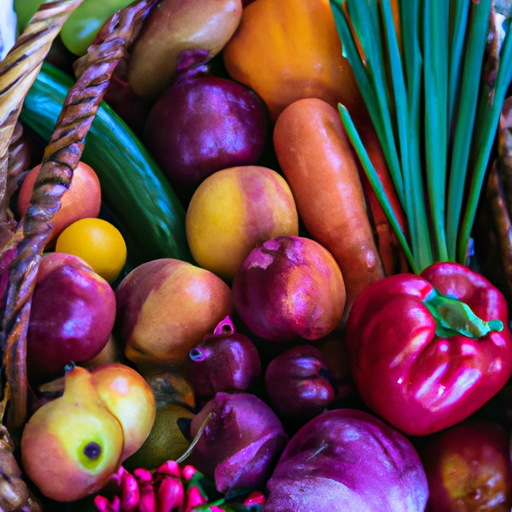
    A basket overflowing with fresh produce.

    And don’t even get me started on extreme weather events. Hurricanes, floods, droughts, and fires are wreaking havoc on farms and crops. It’s like a tornado came through your kitchen and destroyed all of your ingredients before you could even start cooking.

    Basically, Climate Change is making it harder for farmers to grow food and it’s also making the food that is produced less nutritious. We need to do something about it before it’s too late.

    Oh no! We’re using up land and water!

    Guys, I gotta tell you, we’re not doing a great job taking care of our land and water resources. So much of our soil has been overused and depleted of nutrients, and we keep using pesticides and fertilizers that can pollute our water sources. It’s like we’re not thinking about the future of our food production.

    And it’s not just that we’re degrading our soil and water quality, we’re also using up so much land to build homes, shopping centers, and factories. As our population grows, we’re running out of land to use for farming. It’s not like we can just create more land, right?

    So what does this mean for our future food security? Well, it means that we’re going to have to be more strategic about how we use our land and water resources. We need to focus on sustainable agriculture practices that help rebuild our soil and preserve our water sources. We need to think about ways to make our land more productive without harming the environment.

    So let’s get on it, folks! There are solutions out there, like crop rotation, cover crops, and low-till farming, that can help us take care of our land and water. We just need to make sure we’re doing everything we can to protect our resources so that we can continue to produce food for generations to come.

    Why Population Growth Affects Future Food Security

    Population growth is a serious issue that impacts the future of food security. As the world’s population increases, so does the demand for food. Without proper planning, the world may not be able to produce enough food to meet the needs of a growing population.

    Currently, the world’s population is expected to reach 9.7 billion by 2050. This means that there will be more people than ever before who need access to food. As more people compete for the same resources, the prices of food products are likely to increase, making it more difficult for low-income families to afford a well-balanced diet.

    Population growth also affects the supply of available agricultural land. As more people move into urban areas, there is less land available for farming. This means that farmers will have to rely on less fertile land to grow crops, leading to lower crop yields and lower quality produce.

    To address the issue of population growth and food security, individuals can take actions such as advocating for sustainable family planning policies and supporting local food systems. Governments can also implement policies to address population growth, such as promoting women’s education, investing in family planning services, and supporting sustainable agricultural practices.

    It is important that we address the issue of population growth and food security as soon as possible to ensure a sustainable and equitable food future.

    Wrapping it Up: Why Food Security Must be a Priority

    After delving into the various factors that affect food security, it’s clear that this is a topic that concerns us all. As the world population continues to grow, and climate change and overuse of resources become more pressing issues, it’s crucial to prioritize food security to ensure that everyone has access to enough nutritious food.

    It’s important to note that food security isn’t just an issue for developing countries, but a global one. Increased investment in research to improve crop yields, sustainable agriculture practices and better management of land and water resources, can all contribute to ensuring future food security.

    However, it’s not just up to governments to address the issue of food security. As individuals, we can also make a difference. Reducing food waste, buying locally grown produce, and supporting sustainable farming practices are just some of the ways we can contribute to a more food-secure world.

    In conclusion, we must recognize the importance of food security and take action to address the various challenges that threaten it. By doing so, we can ensure that future generations have access to enough food to live healthy and productive lives.

    Food Security FAQs

    What are the future problems with food?

    Well, let me tell you, I’m pretty worried about the future of food. With the world’s population growing at an alarming rate, there’s a lot of pressure on our food systems to keep up. And to make matters worse, climate change is wreaking havoc on our crops, with extreme weather events becoming more common and unpredictable.

    One of the biggest problems we’ll face in the future is food insecurity – basically, not having enough food to go around. This isn’t just a problem for people in developing countries – it’s a concern for all of us. As our population grows, our demand for food will increase, but our resources may not be able to keep up. Plus, with climate change disrupting agriculture and food supply chains, we could see more and more people going hungry.

    Another issue is the lack of diversity in our diets. As we rely more heavily on a few staple crops like wheat, rice, and corn, we’re missing out on the nutritional benefits of other foods. This can lead to malnutrition and other health problems down the line. Not to mention, monoculture (growing just one crop in a given area) can lead to soil depletion, pest outbreaks, and other ecological problems.

    Overall, the future of food is a complex and worrying issue. But there are things we can do to mitigate the risks, like investing in sustainable agriculture, reducing food waste, and promoting healthier, more diverse diets. It’s up to all of us to take action and make sure we’re not facing a world where food is scarce and unhealthy.

    Will we need food in the future?

    Well folks, let me tell ya, we sure are concerned about food in the future! And let me tell you why – because we are gonna need it!
    I mean, think about it. Our population is growing at a rapid pace, and we gotta feed all these mouths. Plus, with climate change and all the unpredictable weather patterns, it’s getting harder and harder for farmers to grow crops and raise livestock. We gotta come up with new ways to produce food that are sustainable and efficient, or else we’re gonna have some serious food shortages on our hands.
    But it’s not just about feeding our growing population. We also gotta think about the quality of our food. With all the processed and unhealthy foods out there, we gotta make sure we’re providing people with nutritious and safe options. And with advancements in technology and science, we have the potential to create even better food that can nourish our bodies and keep us healthy.
    So yeah, folks, we’re definitely concerned about food in the future. But I’m hopeful that we can come up with some innovative solutions to feed our growing population and improve the quality of our food. We just gotta keep working together and keep our minds open to new ideas!

    What is the biggest threat to future food security?

    I think there are many reasons why we are concerned about food in the future. One of the main reasons is the growing global population, which means there will be more mouths to feed. Another reason is climate change, which can cause extreme weather events, droughts, and other environmental changes that can affect crop yields. Additionally, there are some concerns about the sustainability of current farming practices and the use of pesticides, fertilizers, and other chemicals in food production.However, I believe the biggest threat to future food security is the lack of diversity in our food system. Many crops rely on just a few varieties, and this can make them vulnerable to pests, diseases, and changes in climate. Additionally, monoculture farming practices can deplete soil nutrients and reduce biodiversity. This can be a problem because diversity in crops and farming methods can help us adapt to changing environmental conditions and provide a more resilient food system.To address this issue, experts recommend promoting agro-biodiversity, which means promoting the use of a wider range of plants and animals in food production. This can include growing more diverse crop varieties, supporting local farmers markets and community supported agriculture programs, and encouraging the adoption of regenerative farming practices. By increasing agro-biodiversity, we can help ensure the long-term health, resilience, and sustainability of our food system.

  • Fitting Meals into a Busy Schedule

    Fitting Meals into a Busy Schedule

    My Busy Schedule: How I Make Time for Healthy Meals

    Hey there! As someone with a packed schedule, I know how easy it can be to let nutrition fall by the wayside. But I’ve discovered that eating healthy meals is not only possible, but it’s also essential for feeling my best and getting through my busy days.

    So what exactly do I mean by a busy schedule? For me, it includes working full-time, taking care of my family, and squeezing in personal hobbies and activities when I can. If you can relate, then you know how tempting it can be to grab fast food or skip meals altogether.

    But the truth is, making the effort to eat well has some major benefits. Not only does it give me more energy and help me stay focused, but it also supports my overall health and wellbeing. Plus, I find that taking the time to plan out healthy meals and snacks is a great stress-reliever.

    Meal Planning: The Secret to Eating Healthy on a Busy Schedule

    Let me tell you, meal planning can be a real gamechanger for those with busy schedules, like myself. You see, when life gets hectic, it’s easy to reach for convenience foods that are high in calories, sodium, and unhealthy fats. But with a little bit of planning, you can ensure that you’re eating healthy meals that provide the nutrients you need to power through the day.

    Benefits of Meal Planning

    The benefits of meal planning are numerous. First and foremost, it helps you stay on track with your healthy eating goals. It also saves you time, money, and reduces food waste. By planning your meals in advance, you can make sure that you’re using up ingredients before they go bad and avoid having to eat out or grab takeout. Plus, it takes the stress out of mealtime because you know exactly what you’re going to make.

    A plate of freshly-prepared healthy food surrounded by a clock, calendar, and other time management tools.

    Planning meals is easier than you think. Start by looking at your schedule for the week and identifying any days when you’ll be short on time. On those days, plan to make quick and easy meals. Then, make a list of the ingredients you need and go grocery shopping. When you get home, prep your ingredients (wash, chop, and cook what you can), so you’re ready to go when it’s time to cook. Finally, cook your meals and store them in containers for easy grab-and-go options throughout the week.

    Time-Saving Tips: How I Manage to Eat Healthy with a Busy Schedule

    Let’s face it, life can get hectic and trying to fit in healthy meals can seem impossible. However, over time I’ve learned some tricks that save me time and ensure I’m still able to maintain a nutritious diet even when my schedule is jam-packed.

    Pre-made Meals

    One of my go-to time-saving tips is to invest in pre-made meals. This can be anything from grabbing a pre-made salad from the grocery store to utilizing delivery services that offer pre-made meals for the week. These can be lifesavers when you’re in a rush or just too tired to cook.

    Meal Prep

    Meal prepping has been another game-changer for me. At the beginning of each week, I take some time to meal prep my lunches and dinners. This involves cooking large batches of food, portioning them out, and storing them in the fridge or freezer. This saves me loads of time during the week and ensures that I always have a healthy meal ready to go.

    Batch Cooking

    Batch cooking is another great way to save time in the kitchen. This involves cooking large batches of a particular dish and then freezing the leftovers for later. For example, I’ll often cook a big pot of chili or soup on the weekend and freeze individual portions. Then during the week, I can simply heat up the pre-made portion and have a healthy meal in minutes.

    By utilizing these time-saving tips, I’ve been able to fit healthy meals into my busy schedule without feeling stressed or overwhelmed. It just takes a little bit of planning and preparation, but it’s absolutely worth it in the end.

    Healthy Eating on the Go

    Let’s be real, your schedule is always hectic and sometimes you don’t have time for a sit-down meal. But just because you’re always on the go doesn’t mean you can’t make healthy eating choices. Here are some tips for eating healthy on the go:

    First, pack some healthy snacks for when hunger strikes. Some great options include fruit, veggies and dip, nuts, or even a protein bar. These options will keep you full and energized throughout the day.

    If you’re out and about and need to grab a quick meal, don’t fret. Just because you’re getting takeout doesn’t mean you have to sacrifice your healthy habits. Look for healthier options on the menu such as salads, grilled chicken, or sushi rolls. You can also ask for your meal without any added sauces or dressings to cut down on calories.

    It’s also important to make sure you’re staying hydrated throughout the day. Carry a refillable water bottle with you to ensure you’re drinking enough water.

    Overall, finding healthy options while on the go can be a challenge, but it’s not impossible. With a little bit of planning and creativity, you can make sure you’re making healthy choices even with a busy schedule.

    Wrapping it Up: Eating Healthy with a Busy Schedule!

    Phew! That was a lot of information, but don’t worry, I’ve got you covered. The benefits of eating healthy meals cannot be overstated, even for those of us with the busiest schedules. Planning your meals is key to staying organized and on track with healthy eating goals. Now that you know that, let me share with you my top tips for making healthy eating convenient and achievable!

    First, I highly recommend pre-made meals. Yes, they can be more expensive, but the time and energy saved is worth it! Alternatively, you could also do meal prep, which involves cooking multiple meals at once and portioning them out for later. Batch cooking is another time-saving option – simply make a large batch of a healthy meal one day, and you can eat it throughout the week.

    When you’re on the go, packing snacks is a lifesaver. Avoiding fast foods and choosing healthy takeout options – like a salad or veggie-packed stir-fry – is also essential. Remember, it’s important to fuel your body with nutrient-dense foods, even when you’re busy.

    Overall, incorporating healthy meals into a busy schedule is definitely possible with just a bit of organization and preparation. By utilizing my tips, you’ll soon realize that eating healthy isn’t as hard as you thought it was.

    Meal Planning FAQ

    How do you eat healthy on a budget and busy schedule?

    Well, I understand how tough it can be to eat healthily when you have a hectic schedule and a limited budget. However, I have found that with some planning and being a little creative, it is entirely possible to make it happen. First, I try to focus on meals that are quick and easy to prepare, such as grilled chicken or fish, stir-fry, or salads. These meals can be prepared in advance and stored in the fridge for later use. Plus, it will also help you avoid the temptation of grabbing fast food or unhealthy snacks.Next, when it comes to shopping for groceries, I try to buy in bulk when possible and purchase items that can be used in multiple meals. For instance, carrots, cabbage, and peppers can be used in stir-fries, salads, and sandwiches. Also, canned products like beans, tuna, and vegetables are quite affordable and can make a quick and nutritious meal within minutes.Moreover, I also plan my meals for the week ahead. This helps me to minimize food waste, control expenses, and ensure that I am getting a balanced diet. Besides that, I try to cook with spices, herbs, and ingredients that add flavor and texture to meals without adding calories. This approach makes the meal more satisfying and keeps me from overeating.In conclusion, fitting meals into a busy schedule is all about planning, being resourceful, and making smart choices. By focusing on healthy meals that are easy to prepare, buying in bulk, planning meals ahead, and using spices and herbs to add flavor, you can maintain a healthy diet even with a limited budget and busy schedule.

    how do i fit meals into a busy schedule?

    Well, let me tell ya, it ain’t easy fitting meals into a jam-packed schedule, but it sure ain’t impossible either! One tip I’ve found helpful is meal prepping at the start of the week. I’ll cook up a bunch of chicken and veggies, for example, portion them out into containers and store them in the fridge. This way, all I need to do come mealtime is pop ’em in the microwave and voilà!Another trick I swear by is snacking smart. Instead of reaching for a bag of chips or candy bar when I’m on-the-go, I keep some nuts, fruit or protein bars handy in my bag. This way, I’m not sabotaging my diet and getting a quick energy boost at the same time! If I’m really crunched for time, I’ll even resort to ordering takeout, but of course, I make sure to choose healthier options when possible. Plus, with apps like Grubhub or Uber Eats, I can order and pay for my meal without ever having to leave my desk!At the end of the day, it all comes down to prioritizing your health and being a little strategic with your time. By planning ahead, snacking smart and taking advantage of technology, you can make sure you’re never sacrificing your nutrition, even when your schedule is more hectic than ever.

  • Turning Kitchen Waste into Compost with a Compost Machine

    Turning Kitchen Waste into Compost with a Compost Machine

    What’s up with Compost Machines?

    Hey there, folks! Have you ever heard of a compost machine? It’s a nifty little gadget that reduces your kitchen waste and turns it into compost that you can use to fertilize your plants. Pretty cool, right?

    Compost machines come in different shapes and sizes, but they all work in similar ways. They use heat, moisture, and bacteria to break down organic matter into nutrient-rich soil.

    The benefits of using a compost machine are numerous. For one, you’ll be doing your part in reducing your carbon footprint and helping the environment. Additionally, you’ll have a steady supply of compost that you can use for your garden, which will save you money in the long run. Lastly, you’ll be able to reduce the amount of waste you send to the landfill, which is a win for everyone.

    Steps for Using a Compost Machine: Let’s Get Our Hands Dirty, Folks!

    Alrighty then, now that we know what a compost machine is and its benefits, let’s talk about the steps of using one to turn our kitchen scraps into nutrient-rich soil.

    Step 1: Collect Kitchen Waste Like a Pro

    This is the fun part, folks! Gather up your coffee grounds, eggshells, fruit and vegetable scraps, and even shredded newspaper. Just be sure to avoid meat, dairy, and grease because they don’t play well with composting.

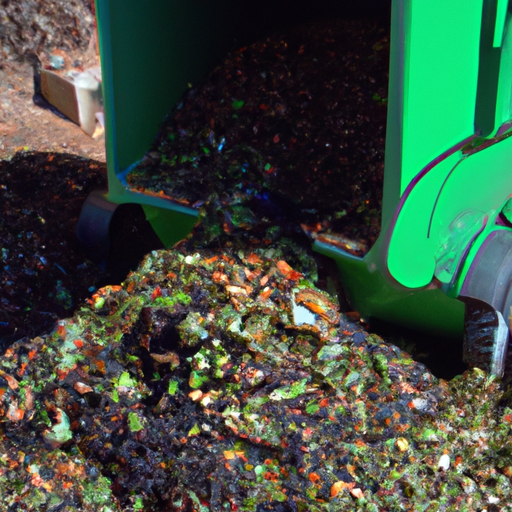
    A compost machine in a garden with a pile of kitchen waste in the foreground.

    Here’s where we get a little scientific – but don’t run away just yet! To make sure our compost is successful, we need to prepare our waste. Chop it into small pieces to speed up the composting process and add some water to moisten it (but not too much!).

    Step 3: Place the Waste in the Compost Machine

    Time to load up our trusty compost machine! Be sure to refer to the manufacturer’s guidelines for the correct amount of waste to add and how often to add it.

    Step 4: Set the Timer and Start the Process

    We’re almost done, folks! Set the timer according to the manufacturer’s instructions and start the composting process. Now, sit back and relax while the machine works its magic, turning your kitchen waste into fertilizer for your garden.

    Looking for more tips on composting with a machine? Check out this helpful article on bakedoccasions.com. Happy composting, folks!

    Successful Composting with a Compost Machine

    Hey, y’all! As someone who has been composting for years, I want to share some tips for using a compost machine successfully. Each machine is different, so make sure to follow the directions for your specific model. Here are some tips that have helped me over the years:

    Add Carbon-Rich Materials to Balance Out the Waste

    Composting is all about achieving the right balance between carbon-rich materials (like brown leaves) and nitrogen-rich materials (like kitchen scraps). While your machine will do most of the work, adding carbon-rich materials like shredded newspaper, straw, or wood chips can help balance out the waste. I’ve found that a 2:1 carbon-to-nitrogen ratio works best.

    Choose the Right Size Compost Machine

    Compost machines come in all shapes and sizes. It’s essential to choose the right one for your needs. If you have a small amount of waste, a small machine will work fine. However, if you have a lot of waste (like me), you may want to invest in a larger machine. Just make sure the machine has enough space for the waste to decompose properly.

    Monitor the Progress of the Composting Process

    Composting is not magic. It’s a process that requires time and effort. Make sure to monitor the progress of the composting process by checking the temperature and moisture level of the compost regularly. If the compost isn’t decomposing as quickly as you want, add more nitrogen-rich materials and mix it up. It may take a little tweaking to get the perfect compost recipe.

    Final Thoughts: Composting with a compost machine is an excellent way to reduce your carbon footprint and produce nutrient-rich soil. Remember these tips when using your machine to ensure the success of your composting efforts. Happy composting, y’all!

    That’s a Wrap: The Final Scoop on Composting with a Compost Machine!

    Well folks, that’s all she wrote! At this point, you should be well-versed in the art of composting with a compost machine, and ready to hit the ground running (or should I say composting?).

    Remember to always follow the directions for your specific machine, and don’t be afraid to experiment! You might find that adding certain materials or tweaking the settings on your machine produces even better results than expected.

    It’s important to keep a balance of carbon and nitrogen-rich materials in your compost, so make sure to add leaves, sawdust, or other carbons to balance out your food scraps and other nitrogen-rich materials.

    Lastly, keep an eye on your composting process. If you notice any issues, such as a bad odor or a lack of progress, don’t hesitate to troubleshoot and make adjustments. With a little patience and effort, you’ll be reaping the benefits of your nutrient-rich compost in no time!

    So there you have it, folks. Thanks for joining me on this journey of composting with a compost machine. Now, let’s get to composting!

  • Making Compost from Organic Waste with a Compost Machine

    Making Compost from Organic Waste with a Compost Machine

    Compost Machines: How Do They Work?

    Hey there! You may be wondering, “What exactly is a compost machine?” Well, it’s a machine that turns your organic waste into nutrient-rich compost for your plants and gardens to thrive in. These machines come in a variety of sizes and types, but they all work similarly. They provide an environment where bacteria and fungi can break down your organic waste aerobically, meaning with the use of oxygen.

    Here’s how it works: first, you add your organic waste into the machine’s chamber. Then, the machine adds oxygen and moisture, which helps the microorganisms break down the waste and turn it into compost. The machine also helps regulate the temperature to ensure that the composting process is occurring efficiently. In just a few weeks, you’ll have nutrient-rich compost that can be used in your garden or potted plants!

    Why a Compost Machine Is the Best Way to Make Nutrient-Rich Compost

    As a gardening enthusiast, I can confidently say that using a compost machine is the easiest and most efficient way to make nutrient-rich compost. Not only does it make composting effortless, but it also provides numerous benefits that you wouldn’t typically get from other composting methods.

    For starters, compost machines are designed to handle various kinds of organic waste materials that you might not be able to compost otherwise. This includes food waste such as fruits, vegetables, and cooked meals, as well as yard waste like leaves, grass clippings, and branches. Using a compost machine eliminates the need to separate food and yard waste and allows you to compost everything in one place, quickly and effortlessly.

    Using a compost machine also results in a much faster composting process. By shredding and churning the materials regularly, the composting process can be completed in weeks instead of months. Plus, because the machine closes tightly, it minimizes the unpleasant odors that can come with open compost piles.

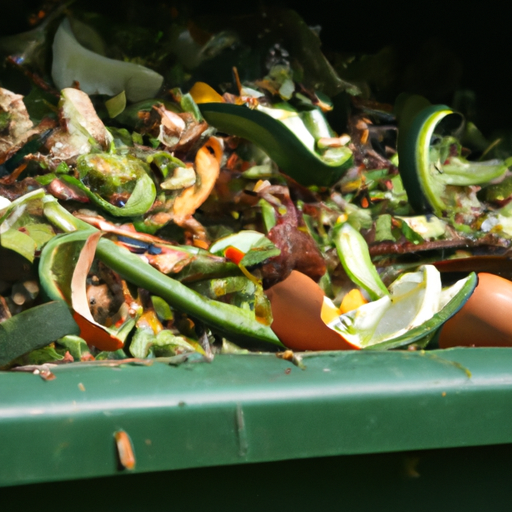
    A large green compost bin with piles of organic waste next to a compost machine.

    Another perk of using a compost machine is that it produces high-quality compost that is loaded with nutrients. The finely ground organic matter produced by a compost machine will enrich your soil and enhance the health of your plants, leading to a bountiful and healthy harvest.

    Overall, using a compost machine is a smart and eco-friendly choice for all gardeners. It’s convenient, fast, and produces top-quality compost that will enhance the health of your plants and your garden soil in no time.

    Don’t toss it! You can compost it!

    When it comes to composting, the list of organic waste that we can compost is quite long. Compost machines can handle a variety of waste, from kitchen scraps to yard waste. However, some waste is better suited for composting than others. Here are some of the types of organic waste that can be composted using a compost machine:

    Coffee Grounds and Tea Bags

    If you’re an avid coffee or tea drinker, good news! Your used coffee grounds and tea bags can go straight into the compost machine. These items are high in nitrogen and help to balance the carbon-rich compost materials. But take note: make sure to remove any staples from the tea bags before putting them into the compost machine.

    Fruits and Vegetables

    Fruits and vegetables, including their peelings, trimmings and cores, are excellent compost materials. They provide essential nutrients and moisture to the compost. However, citrus peels and onions should be used sparingly, as they take longer to break down and can be acidic.

    Eggshells

    Eggshells are an excellent source of calcium and may help balance the pH level of the compost. When adding eggshells, it’s best to crush them to smaller pieces to help them decompose faster.

    Leaves and Grass Clippings

    These materials are abundant in most households, especially for those who love gardening. They are high in carbon and, when mixed with nitrogen-rich materials, create a nutrient-rich mix that is excellent for promoting plant growth. However, it is important to never compost yard waste that has been treated with pesticides or herbicides as it can harm the composting process.

    Paper and Cardboard

    Paper items, including shredded paper, paper towels, tissue, and cardboard, are excellent sources of carbon for the compost. However, glossy or coated paper should not be added to the compost machine, as they contain chemicals that can harm the compost and the environment in the process.

    Miscellaneous Items

    Other items you might consider composting, depending on your compost machine’s capacity, include nut shells, hair, lint, and even natural fibers like cotton and wool. However, be careful not to add any items that may be harmful to the environment, like plastic, metals, or synthetic materials.

    By composting these organic waste items, you can help reduce the amount of waste that ends up in landfills while creating a nutrient-rich soil amendment your garden will love.

    Setting up Your Compost Machine: Getting Started

    Okay, so you’ve decided to start composting with a machine – fantastic! First things first: read the manual. Seriously. Each compost machine is different, and the manual will give you instructions for assembly, use, maintenance and troubleshooting. Once you’ve read the manual, gather all the tools you need (which will also be listed in the manual). Depending on the model and features, you may need a screwdriver, adjustable wrench, pliers, and so on. Make sure you have these tools on hand before you get started.

    Locating and Placing Your Compost Machine

    Now that you have your machine and tools, it’s time to find the perfect location. Ideally, your compost machine should be placed on a flat, level surface in an area that’s easily accessible. Most compost machines require access to electricity, so keep that in mind as well. You should also think about the surrounding environment – are there any trees or overhanging branches that might impede adding compost materials or interfere with the turning mechanism? Are there any specific safety recommendations in the user’s manual that need to be taken into account, such as keeping the machine away from doors, windows, or pets?

    Preparing the Compost Bin

    Before you start adding your organic waste, you need to make sure that your compost machine is ready to go. This includes attaching any necessary hoses or tubes to the machine (e.g. for adding water, draining liquid, etc), adjusting the ventilation settings (if applicable), and ensuring that the turning mechanism is properly installed and functional. You’ll also want to add a layer of compost or soil to the bottom of the bin, which can help to introduce beneficial microorganisms and kick-start the composting process.

    Adding Your Organic Waste

    Now that your compost bin is prepped and your machine is ready to go, it’s time to start adding organic waste. Here’s a quick rundown of things you should and shouldn’t include in your compost pile:-DO add: fruit and vegetable scraps, eggshells, coffee grounds, tea leaves, yard clippings, shredded newspapers, cardboard, and certain types of animal waste (such as horse or cow manure)-DON’T add: meat, dairy, oily foods, pet waste (unless specifically listed as acceptable in the manual), human waste, or anything that might contain potentially harmful chemicals or pathogens.

    Finishing Touches

    Once you’ve added your compost ingredients and started the machine, you’re well on your way to creating rich, fertile compost. However, there are a few more steps you can take to ensure the fastest, most efficient composting possible. First, try to add a mix of “brown” and “green” materials to your bin – green materials are high in nitrogen and help to break down the compost quickly, while brown materials are high in carbon and help to regulate the moisture levels. Additionally, you might want to consider adding compost accelerator or activator, which contain beneficial microorganisms that can speed up the composting process, especially if you’re composting in colder months or with certain types of material.

    Tips for Successfully Turning Organic Waste into Rich Compost with a Compost Machine

    Alright, y’all, when it comes to using a compost machine to turn your organic waste into nutrient-rich compost, here are some tips from yours truly:

    1. Chop and shred your organic waste as small as possible.

    The smaller the pieces, the easier it is for the bacteria and microbes in the compost machine to break down the materials into usable compost. So, take a second to break down your scraps into smaller pieces before tossing them in.

    2. Balance your greens and browns.

    When adding to your compost machine, aim for a 3:1 ratio of browns (carbon-rich materials like leaves and paper) to greens (nitrogen-rich materials like vegetable scraps). This balance will allow for a healthy compost pile and prevent unwanted odors.

    3. Keep the moisture level in check.

    Composting requires a certain level of moisture, but too much can cause your pile to become overly saturated and anaerobic, which can slow down the decomposition process. On the other hand, if your pile is too dry, it can also slow down composting. Aim for a pile that is moist, but not too wet.

    4. Keep the pile aerated.

    To keep the compost machine working efficiently, make sure the pile is properly aerated. This can be done by turning or stirring the pile every few days or using a machine that automatically mixes it like the compost machine. If it’s not mixed, the center of the pile can become compacted and anaerobic, creating a stinky mess.

    5. Be patient.

    Composting is a natural process that takes time. Don’t expect results overnight, and don’t worry if your pile looks or smells a little funky. Stick to the process and trust that you’ll have rich, nutrient-dense compost in no time.

    6. Guess What? We Grew Our Own Veggies Thanks to Our Compost Machine!

    Wow, I can’t believe it’s been months since I got my hands on a compost machine. At first, I was a bit hesitant because I thought it would be too complicated. But it turns out that using one is incredibly easy and convenient, especially if you’re like me who wants to grow their own food at home.

    The amount of rich compost I got from the machine has been truly amazing. Not only did it help me achieve my goal of growing organic veggies from home, but it also significantly reduced the amount of waste my household produces each day.

    If you’re looking for a more sustainable way of managing your organic waste and growing your own food, then I highly recommend getting a compost machine. Trust me; it’s a game-changer!

    Just remember that while the process of composting is relatively simple, it does require a bit of effort and attention to detail. But with some patience, perseverance, and the right technique, you’ll soon reap the rewards.

    Thanks for reading my blog, and I hope you found it helpful. Happy composting!

  • The Benefits of Home Composting

    The Benefits of Home Composting

    Let’s Get Dirty: The Incredible Benefits of a Compost Machine

    Hey there! Have you ever thought about getting a compost machine for your home? If not, you’re missing out on a whole lot of benefits! I’m here to tell you all about it and convince you to get one as soon as possible.

    First things first, what exactly is a compost machine? It’s a device that helps convert your organic waste (like food scraps and yard waste) into nutrient-rich fertilizer for your plants. It’s an environmentally friendly way to dispose of your waste and get some free fertilizer in the process.

    Now, onto the good stuff. The benefits of a compost machine are incredible. Not only are you reducing the amount of waste that ends up in landfills, but you’re also producing a valuable resource that can be used to improve soil health. Plus, you’ll save money on waste removal fees and even have the potential to sell your compost for some extra cash.

    But wait, it gets even better. Using compost in your gardening and landscaping endeavors can lead to healthier plants and reduced exposure to harmful chemicals found in traditional fertilizers. And who doesn’t want lush, beautiful plants without all the nasty chemicals?

    A pile of green and brown compost with a shovel in the foreground.

    So, what are you waiting for? Get your hands dirty and start composting today!

    THE ENVIRONMENTAL PERKS OF HAVING A COMPOST MACHINE AT HOME!

    Hey, guys! As a firm believer in reducing waste and doing my part to help the environment, I wanted to touch on a topic that’s been on my mind lately: compost machines. So, let’s break it down and talk about some awesome environmental benefits!

    IT’S A LANDFILL LIFESAVER!

    First of all, a compost machine significantly lowers the amount of waste that ends up in landfills. By composting your food scraps and yard waste, you’re essentially reducing your carbon footprint and helping to preserve our precious planet. Plus, less waste in landfills means less methane gas produced – which is a major contributor to global warming. So, composting is a win for everyone!

    ORGANIC MATTER = AMAZING FERTILIZER!

    Another amazing perk of a compost machine is that you can reuse all of that organic matter as fertilizer for your garden and lawn. It’s all-natural, chemical-free, and supremely good for the soil. Plus, it’s a cost-effective way to keep your plants healthy and thriving – without the need for any harsh or potentially harmful chemicals.

    FINAL THOUGHTS

    In conclusion, adding a compost machine to your home is an excellent way to reduce waste and lessen your carbon footprint. It’s good for the environment, your wallet, and your gardening game! Trust me, you won’t regret it.

    Economic Benefits: Saving Money and Making a Profit!

    Alright, let’s talk about the money. Having a compost machine at home not only benefits the environment, but it also benefits your wallet! By reducing the amount of waste you throw away, you can save money on waste removal fees. I mean, who doesn’t love saving money?

    But wait, there’s more. You can also make a profit from selling your compost. Yes, you read that right. Your compost can be turned into a valuable resource that others will pay for. Who knew your garbage could turn into cash?

    Now, I know what you’re thinking. “But buying a compost machine can be expensive!” It’s true, but the return on investment is worth it over time. Plus, think about all the money you’ll save on waste removal fees and fertilizer costs.

    So, if you’re looking for a way to save some money and even make a profit, consider getting a compost machine for your home. Your wallet (and the environment) will thank you!

    Health Benefits of Having a Compost Machine at Home

    Holy guacamole! Did you know that having a compost machine at home can actually be good for your health? Most people think composting is just for the environment and saving money, but it can also benefit your well-being. Check out these reasons to consider getting a compost machine:

    Healthy Soil for Gardening and Landscaping

    Are you a gardening fanatic like me? Having nutrient-rich soil is essential for growing healthy fruits and veggies. Compost provides a natural fertilizer that’s chock full of vitamins and minerals. Plus, it’s a great way to add organic matter to soil, which helps retain moisture and reduce erosion. Incorporating compost into your landscaping and gardening routine can lead to better crop yields and healthier plants overall.

    Reduced Exposure to Hazardous Chemicals

    Did you know that chemical fertilizers and pesticides can be harmful to your health? Yikes! But using compost in place of synthetic fertilizers can reduce your exposure to dangerous chemicals. Plus, compost helps soil retain nutrients better, which means less fertilizers and chemicals need to be used overall. This can lead to a healthier environment for you and your loved ones to enjoy.

    Looking for more reasons to start composting? Check out bakedoccasions.com for expert advice and tips on how to turn your waste into soil. Your health will thank you!

    The Bottom Line: Why You Need a Compost Machine at Home

    When it comes to sustainability, every little action counts. That’s why I firmly believe that having a compost machine at home is one of the best things you can do for yourself and the planet. Not only does it reduce the amount of waste going to landfills, but it also reuses organic matter as fertilizer, which has numerous environmental benefits.

    Environmental Benefits of a Compost Machine at Home

    By composting food scraps and other organic materials, you reduce the amount of trash that ends up in landfills, which is important because landfills emit large amounts of greenhouse gases that contribute to climate change. Composting also creates a nutrient-rich soil amendment that can improve soil health and reduce the need for chemical fertilizers.

    Economic Benefits of a Compost Machine at Home

    Composting can also save money. When you start composting, you’ll reduce the amount of waste that goes into your curbside trash and recycling bins, which can help reduce waste removal fees. Additionally, you can potentially sell your compost to others, creating an extra source of income.

    Health Benefits of a Compost Machine at Home

    Aside from the environmental and financial benefits, composting also has several health benefits. When used as a soil amendment, compost can help create healthy soil for gardening and landscaping. Additionally, composting can help reduce the need for chemical fertilizers, which can be harmful to human health and the environment.

    Final Thoughts

    Overall, a compost machine is a worthwhile investment for anyone interested in sustainability and reducing their environmental impact. It’s simple to use and will benefit you in many ways – from improving soil health to saving money on trash removal fees. So, why not give it a try?

  • Unlocking the Secrets of Compost Machine Technology

    Unlocking the Secrets of Compost Machine Technology

    Hey, Let’s Talk About Composting Machines!

    Hey there, fellow gardeners and eco-warriors! Are you tired of throwing away food scraps and yard waste? Do you want to turn your trash into treasure for your plants and soil? Well, have you ever considered using a composting machine? In this blog post, I’m going to give you all the information you need to get started with composting machine technology.

    First things first, let’s talk about what composting is and why it’s important. Composting is the process of breaking down organic matter, like food scraps and yard waste, into nutrient-rich soil. This is important because organic waste in landfills contributes to greenhouse gases, while composting reduces waste and even restores soil fertility. Plus, composting is great for the environment, your garden, and your wallet!

    The Ins and Outs of Compost Machine Technology

    Now that we have a general overview of composting, it’s time to dive deeper into the technology behind it. Compost machines are the key players in this process and come in a variety of types and sizes.

    Types of Compost Machines

    There are several types of compost machines available on the market that serve different purposes. For example, some are designed for residential use while others are better suited for commercial purposes. The most common types of machines include tumblers, worm bins, and thermal composters.

    How Compost Machines Work

    Compost machines work by creating an optimal environment for natural microorganisms to break down organic matter. The basic process involves combining yard waste, food scraps, and other biodegradable material into the machine’s receptacle along with water and oxygen. The microorganisms then go to work, breaking down the material into nutrient-rich compost.

    A close-up of a metal machine with a green light glowing from within.

    It’s a delicate balance, however. Over- or under-moisture, too much air, and fluctuating temperatures can negatively impact the decomposition process and result in unusable compost. That’s why it’s essential to choose the right compost machine for your needs and to follow the manufacturer’s instructions for optimal performance.

    Benefits of Using Compost Machines

    Alright, folks. Let me tell you, using compost machines has changed the game for me. Here are some reasons why:

    Reduced waste

    Listen, I used to feel pretty guilty about throwing out all my food scraps and yard waste. But now, with my handy dandy compost machine, I can convert all of that into nutrient-rich soil. Plus, less waste means I’m doing my part for the environment, you know? It’s a win-win.

    Nutrient-rich soil

    The soil that comes out of my compost machine is like gold, I swear. It’s packed with all sorts of good stuff that my plants just love. It’s also free of chemicals and pesticides, which means I can feel good about what I’m putting into my garden.

    Lower carbon footprint

    I don’t know about you, but I’m all about reducing my carbon footprint. And using a compost machine is a great way to do just that. By keeping all that waste out of the landfill and turning it into soil instead, I’m helping to reduce greenhouse gas emissions. Plus, the soil I create is great for sequestering carbon. Who knew composting could be so powerful?

    So, are you convinced yet? If you’re interested in learning more about compost machines and how they work, check out this awesome article I found about turning waste into soil at Baked Occasions. Happy composting, friends!

    “Choose it Right: Tips for Picking the Perfect Compost Machine”

    Let me tell you – choosing a compost machine is no easy task! There are so many different types and sizes available, and finding the right one for your needs can be overwhelming. But fear not, fellow composters! I’ve learned a thing or two about selecting the best compost machine over the years, and I’m here to share my top tips with you today.

    Consider Size and Type

    First and foremost, it’s important to figure out what size and type of compost machine will work best for your space and needs. Do you have a large yard and generate a lot of organic waste? Then you might want to consider a larger, barrel-style composter that can handle more volume. Or, if you live in an apartment and only have a small balcony or patio, a compact, electric composter might be a better fit for you.

    Look into Warranty and Support

    A compost machine is an investment, and you’ll want to make sure you’re putting your money towards something that’s built to last. That’s why it’s important to consider the warranty and support offered by different compost machine brands. Do they offer a long-term warranty that covers any defects or malfunctions? Do they offer customer support if you have questions or concerns? These are important things to consider before making a purchase.

    Compare Prices

    Of course, price is always a consideration when purchasing any big-ticket item – and compost machines are no exception. But don’t just go for the cheapest option you can find! Instead, take some time to compare prices and features across different compost machine brands and models. Look for sales or discounts that might make a higher-end model more affordable, or consider buying a used compost machine if you’re on a tight budget.

    By keeping these tips in mind, you’ll be well on your way to finding the perfect compost machine for your needs. Happy composting!

    The Verdict: Get Composting with a Machine!

    Well, there you have it folks. After exploring the technology, benefits, and tips for choosing the right compost machine, I’m here to encourage you to get out there and start composting with a machine! Not only will you reduce waste, but you’ll also reap the rewards of nutrient-rich soil and lower your carbon footprint.

    When considering which machine to purchase, remember to take into account the size and type that best fit your needs, warranty and support options, and price comparisons. These factors will ensure you make a well-informed decision on your compost machine purchase.

    Composting with a machine has never been easier, and the benefits speak for themselves. So, what are you waiting for? Get composting!

  • Composting with a Machine Turning Waste to Soil

    Composting with a Machine Turning Waste to Soil

    Get Down and Dirty with Compost Machines

    Hey there, fellow green thumbs! Have you ever heard of a compost machine? Well, let me tell you, it’s the bee’s knees when it comes to sustainable gardening. A compost machine is a nifty little contraption that turns your food scraps and yard waste into nutrient-rich soil.

    Now, you might be wondering, “Why in tarnation would I want to compost?” Let me count the ways! First off, it’s a heck of a lot easier than traditional composting methods. No more turning over piles of decomposing material with a pitchfork. With a compost machine, you just chuck your waste in and let the machine do the heavy lifting.

    Not only is it easier, but it’s also cost-saving! Instead of buying expensive fertilizers and soil amendments, you can create your own fertile soil at home. Plus, composting diverts waste from landfills, which is good for the environment.

    Advantages of Compost Machines

    Let me tell you, using a compost machine will make your life so much easier! You won’t have to worry about separating your food scraps or yard waste because it all goes into the machine. Plus, you won’t have to manually turn the compost pile because the machine does it for you. It’s a game-changer!

    Not only is it easy to use, but it’s also cost-saving. Think about how much you spend on fertilizer each year. With a compost machine, you can make your own nutrient-rich soil for free! Plus, since you’re reducing the amount of waste you send to the landfill, you might even save money on your garbage bill.

    A green-and-brown churning machine with a pile of compost underneath it.

    Another benefit of using a compost machine is that it’s environmentally friendly. By composting your food scraps and yard waste, you’re reducing greenhouse gas emissions and helping to mitigate climate change. Additionally, the soil produced by a compost machine is pesticide-free and helps to improve soil health.

    Of course, there are some downsides to using a compost machine. One issue could be limited space. If you live in an apartment or have a small yard, a compost machine might not be feasible. Additionally, some compost machines can be expensive, although they can pay for themselves in the long run. Finally, some machines might be unreliable, so make sure to do your research before purchasing.

    When it comes to types of compost machines, there are manual machines and automatic machines. Manual machines require you to turn the compost pile yourself, while automatic machines do it for you. Depending on your needs, either type could work for you.

    And to answer the question on whether a compost machine turns waste into dirt – yes, it does! The machine turns your food scraps and yard waste into nutrient-rich soil that you can use in your garden or flower beds.

    In conclusion, using a compost machine can be a game-changer in terms of ease of use, cost-saving, and environmental friendliness. If you have the space and can justify the cost, it’s definitely worth considering. So why not give it a try? Check out this article for more information on compost machines: https://bakedoccasions.com/composting-machines-turning-waste-into-soil/.

    Watch out for these Compost Machine Pitfalls!

    Compost machines may seem like the answer to all your gardening woes, but like any other product, they also have their downsides. Here are some disadvantages to keep in mind:

    1. Limited space

    Sadly, compost machines can take up a lot of room in your garden or apartment balcony. They require an area for setup and operation and can be difficult to store away when not in use. If you have limited space, compost machines might not be the ideal solution for you.

    2. High cost

    Compost machines can be expensive to purchase, especially if you opt for an automatic one. If you’re on a tight budget, you might consider other composting methods like traditional composting, vermicomposting, or even composting with a DIY setup.

    3. Unreliable

    Some compost machines can be temperamental and need constant maintenance. They may also come with a hefty price tag, which can make it frustrating when they don’t work as they should. Be prepared for the possibility that your compost machine might not function reliably and may require repairs over time.

    While compost machines do have their setbacks, they are still a valuable tool for producing nutrient-rich soil for your garden. By weighing the pros and cons of using a compost machine, you can decide if it’s the right option for you and your gardening needs.

    Exploring the Different Types of Compost Machines

    There are two main types of compost machines available: manual and automatic. Manual compost machines tend to be less expensive and easier to move around, making them ideal for individuals with gardens or small farms. Automatic machines, on the other hand, are typically larger and more expensive, but they require less effort and can compost a larger amount of waste.

    Manual compost machines are generally made up of a drum or container that is rotated manually to mix the organic materials. These machines require more work as the user has to turn the compost manually, but they are simpler and cheaper. Automatic compost machines, on the other hand, use electricity to move the drum or container. They typically have sensors that monitor the temperature and moisture level of the compost, and some models even have built-in mixing systems. These machines require less work but are more expensive.

    There are also compost machines that are specifically designed for indoor use, such as under-sink composters or worm bins. These machines are smaller and can compost food scraps and other organic waste indoors. They are ideal for people who live in small apartments or do not have access to outdoor space.

    Does a Compost Machine Turn it into Dirt?

    Well, the answer is both yes and no. A compost machine is designed to break down organic waste material such as food scraps, yard waste, and paper into a nutrient-rich soil amendment called compost. The compost produced by the machine is not technically dirt, as dirt refers to the soil found naturally in the ground. Instead, compost is a valuable soil conditioner that can improve soil health, nutrient content and water retention capacity.

    Composting, whether done in a machine or in a pile, requires a careful balance of carbon-rich materials like dried leaves and sawdust, and nitrogen-rich materials like vegetable scraps and grass clippings. This mixture of organic materials is then broken down by microorganisms like bacteria and fungi that consume and transform it into compost.

    So while a compost machine does not turn waste into dirt, it does produce a valuable soil amendment that enriches and improves soil health. Using compost in your gardening or landscaping efforts will help improve plant growth and vigor, while also reducing the amount of organic matter that goes to landfill.

    Conclusion: So, Should You Get a Compost Machine or Not?

    Alright, so let’s wrap this up. After researching and considering the advantages and disadvantages of compost machines, I can confidently say that anyone who is interested in composting should definitely consider getting one. Compost machines are incredibly easy to use and can save you money in the long run by creating nutrient-rich soil for your garden. Not to mention, they’re environmentally friendly, reducing the amount of waste sent to landfills. However, it’s important to keep in mind that compost machines can take up space and can be quite expensive upfront. Additionally, some models may not be as reliable as others, so it’s important to do your research before making a purchase. There are two types of compost machines: manual and automatic. Manual machines require more effort but are generally less expensive, while automatic machines are more convenient but come with a higher price tag. Overall, a compost machine will turn your food scraps and yard waste into nutrient-dense soil that can be used for gardening. It’s important to note that the actual end result will not be “dirt,” but rather compost. In summary, a compost machine is a great investment for anyone who cares about the environment, wants to save money, and enjoys gardening. While there are some drawbacks, the benefits outweigh them in my opinion. So, go ahead and start composting!

  • Composting Machines Turning Waste into Soil

    Composting Machines Turning Waste into Soil

    Composting: Let’s Talk Compost Machines

    Hey, folks! It’s great to be here to talk to you about composting and, specifically, compost machines. Composting is an environmentally friendly way to create nutrient-rich soil from organic materials that would otherwise go to waste. It’s an easy way to reduce our carbon footprint and promote sustainable living. In this blog post, we’ll discuss what compost machines are, how they work, and if there’s a machine that turns compost into dirt. So, sit back, relax, and let’s dive in!

    What the Heck is a Compost Machine?

    Okay, let’s break it down. A compost machine is basically a device that speeds up the natural process of composting. It takes organic waste materials (like food scraps and yard trimmings), processes them, and turns them into nutrient-rich compost that can be used to improve soil quality in gardens and farms.

    But why use a compost machine instead of just letting nature do its thing? Well, for one thing, compost machines can produce compost much faster than traditional compost methods. Instead of waiting months or even years for your compost pile to decompose, a compost machine can turn your waste into usable compost in a matter of weeks. Plus, compost machines are much more efficient at breaking down materials than traditional composting methods, meaning you can compost a wider range of materials and get higher quality compost.

    How da heck does a Compost Machine work?

    Okay, y’all, let’s get into how these compost machines actually work. The process can vary depending on the specific machine, but I’ll give y’all a general step-by-step breakdown.

    First things first, you gotta load up the machine with organic materials like food scraps, yard waste, and maybe even some paper products. Then you can add in some compost activators like water and microorganisms to get the process started.

    Next comes the mixing and turning stage. Some machines have a built-in system that takes care of this for you, while others require you to manually turn the materials yourself. The mixing and turning helps break down the organic material and speeds up the composting process.

    A green compost bin overflowing with organic material.

    After the mixing stage, the compost machine will usually heat up and begin to break down the material even further. This can often take a few weeks to a few months, depending on the machine and the materials being processed.

    Finally, you’ll end up with a finished compost that can be used as a soil amendment or fertilizer. Some machines even have a built-in system that separates any leftover debris from the finished compost, giving you a clean and ready-to-use product.

    Overall, these compost machines can make the composting process much easier and faster than traditional methods. Plus, they’re often designed to be easy to use and maintain, making them a great option for folks who want to compost but don’t have a ton of time or space.

    Looking for a Compost Machine that Turns it into Dirt? Let’s Talk

    So, you’re interested in composting but you want to fast-track the process and get some nutrient-rich dirt quickly. Is there a compost machine that can help you with that?

    First of all, let’s define what “turning it into dirt” means. Composting is the process of breaking down organic material into a soil-like substance called compost. However, this compost is not yet considered “dirt” as it needs more time to fully mature and break down into a homogeneous substance.

    Now, let’s get to the question at hand. Yes, there are compost machines that can help speed up the process of turning organic material into compost and eventually into dirt.

    One possible solution is a vermicomposting system that uses worms to help break down the organic material. These systems are often small and can be used indoors, making them great for apartment dwellers or those with limited outdoor space. The resulting worm castings, or vermicompost, can be added to soil to enhance its nutrient content and improve plant growth.

    Another option is a compost tumbler that uses an aeration system to help break down organic material quickly. These machines can turn organic material into usable compost in as little as three weeks, but they can be pricey and may not be as efficient as other composting methods in terms of volume.

    Keep in mind that while a compost machine can speed up the composting process, it should not be considered a shortcut. Composting still requires proper ratios of carbon and nitrogen-rich materials, regular turning or agitation, and proper moisture levels for efficient decomposition.

    In conclusion, there are compost machines out there that can help speed up the process of turning organic material into compost and eventually into dirt. However, it’s important to do your research and choose a machine that fits your specific needs and composting goals.

    That’s a Wrap: The Lowdown on Compost Machines

    Well folks, there you have it – everything you need to know about compost machines at your fingertips! To sum it up, compost machines are devices that help you turn organic waste into nutrient-rich compost for your garden. They are efficient, easy to use, and come in a variety of sizes and types.

    If you’re thinking about getting a compost machine, I highly recommend it. Not only will it reduce your carbon footprint and divert organic waste from landfills, but it will also save you money on fertilizers and improve the health of your plants! Plus, it’s a fantastic way to teach your children about sustainability and the natural cycle of life.

    Before you purchase a compost machine, do your research and figure out what type will best suit your needs. Consider factors such as how much waste you produce, what material the machine can process, and where you will keep it. And don’t forget to maintain your machine properly to avoid any unpleasant odors!

    All in all, composting is an excellent way to take an active role in reducing waste and creating a healthier planet. With a compost machine, you can do your part and reap the benefits of beautiful, thriving gardens. Happy composting!

    FAQs About Composting Machines

    Does a composter make dirt?

    Well, let me tell you something, friend: a composter does not necessarily produce dirt, per se. It churns organic waste and, in the end, can produce a substance called compost. Now, compost is quite similar to dirt, but it’s not technically the same thing. Compost is a nutrient-rich material that can help plants grow better and help balance the pH level of your soil. It’s important to note that not all composting machines are created equal. Some produce higher-quality compost than others, depending on factors like the temperature, moisture, and the types of organic materials you put in the composter. So, if you’re looking to create dirt specifically, you might need to do some additional work beyond using a basic composter. However, if your goal is to improve your soil and give your plants a boost, compost can absolutely help you out with that.

    So, my advice to you is to do your research and carefully choose the right composting machine for your needs. Look for one that evenly mixes your organic material, and where you can easily regulate the temperature and moisture. Also, be sure to turn the compost regularly to allow for proper aeration. Lastly, if you have any specific questions or concerns, it’s always a great idea to consult with a gardening expert in your area. Happy composting!

    What machine turns food waste to dirt?

    Well, let me tell ya, there are actually a few different types of machines out there that can turn food waste into a nutrient-rich soil amendment. One popular option is the compost tumbler, which is essentially a drum that you can load up with your compostables and then turn on a regular basis to help speed up the decomposition process. Another option is the worm composting system, also known as vermicomposting, which involves feeding your food scraps to a bunch of hungry worms who will happily chow down and produce a high-quality compost in the process. And if you’re looking for something on a larger scale, you might want to consider a commercial composting machine, which can handle much larger quantities of waste and turn it into finished compost in a matter of weeks. So, whether you’re composting at home or in an industrial setting, there are definitely machines out there that can help you turn your food waste into dirt!

    How do you turn compost into soil?

    I ain’t no compost expert, but I can tell ya that there’s no machine that turns it into dirt instantly. It’s all about time and patience. You see, composting is a natural process where microorganisms break down organic matter into a nutrient-rich soil amendment. To speed it up, you need to maintain the right conditions for these microorganisms to thrive. First things first, you need a compost pile or bin. The bigger, the better, but make sure it’s not too big for you to manage. You want a good mix of nitrogen-rich green materials (like kitchen scraps and lawn clippings) and carbon-rich brown materials (like leaves and twigs). Add them in layers, keeping the pile moist but not soaking wet. Turn it every week or so to aerate it and mix the materials. The thing about composting is that it’s not an exact science. There’s no magic formula or recipe that guarantees success. It depends on factors like temperature, moisture, oxygen, and the types of microorganisms present. Some experts recommend adding things like bone meal, blood meal, or compost accelerators to speed up the process, but others argue that they’re unnecessary or even harmful. Ultimately, you’ll know your compost is ready when it looks and smells like dark, crumbly soil. Depending on the conditions and materials, this can take anywhere from a few months to a year. You can use a compost thermometer, if you’re feeling fancy, to check the temperature. It should reach 140-160°F in the first few days, then gradually cool down to ambient temperature. Once you have your compost, you can mix it with other soil or use it as a top dressing for your garden beds. It’s full of beneficial microbes, nutrients, and organic matter that help feed your plants and improve soil structure. And the best part is, you made it yourself from waste that would’ve gone to a landfill. Ain’t that cool?

  • Impact of Eating Habits on Mental Health

    Impact of Eating Habits on Mental Health

    Hey there! Let’s Talk About Mental Health and Eating Habits

    What’s up, folks? Today we are going to dive into the topic of mental health and eating habits. I think it’s important to talk about this because many people don’t realize how much of an impact their diet can have on their mental health. So, let’s start with the basics.

    First off, what is mental health? Well, mental health refers to a person’s emotional, psychological, and social well-being. It affects how we feel, think, and behave. Eating habits, on the other hand, refer to the types of foods we eat and how often we eat them. These two things might seem unrelated, but they are actually very closely linked.

    Getting to Know the Link between Eating Habits and Mental Health!

    Now that we know what mental health means, let’s explore how it relates to our eating habits. I’ve read that the nutrients we put into our bodies can play a vital role in our mental well-being. For instance, consuming enough vitamins and minerals supports the production of serotonin, a neurotransmitter that helps regulate our mood.

    Moreover, did you know that our eating habits might put us at risk for mental illness? It’s not always apparent, but there’s evidence that unhealthy diets can affect one’s risk for depression, anxiety, and other conditions. I’ve learned that a diet high in processed food and sugar can cause inflammation in the brain, leading to adverse effects on our mental health. Mind-blowing!

    So what happens when we neglect nourishing our bodies and deprive ourselves of wholesome food? I found out that it can cause malnutrition, which can affect our cognitive function, concentration, and decision-making ability. Inadequate nutrient intake also leads to unbalanced diets, which can hinder our mood and energy levels. Lastly, unhealthy eating habits could develop into long-term eating disorders, like anorexia and bulimia, which can pose a severe threat to our mental and physical health.

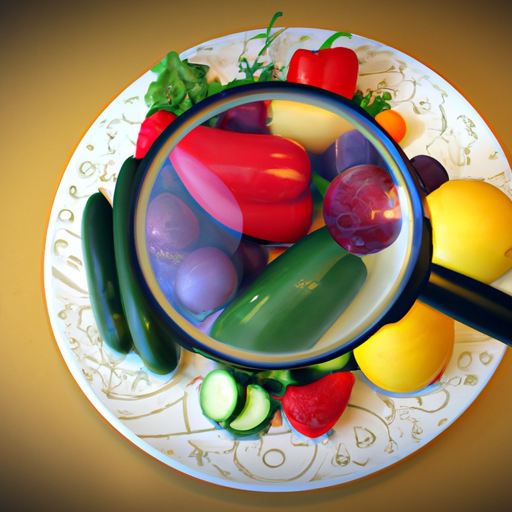
    A plate of healthy vegetables and fruits with a magnifying glass hovering over it.

    Our eating habits play a significant role in our mental well-being. But don’t worry! It’s not too late to make healthier choices. Implementing healthy eating habits can make a world of difference. Incorporating more fruits and vegetables into your meals and reducing or eliminating processed foods is a great start. And suppose you have concerns about developing an eating disorder. In that case, there are many professionals and resources available that can guide you in making the best choices for your body and mind.

    Uh oh, those snacks could be affecting more than just my waistline

    As much as I love indulging in junk food, it’s essential to acknowledge that it may be doing more harm than good. Poor eating habits have adverse effects on one’s mental health, causing malnutrition, unbalanced diets, and eating disorders.

    Malnutrition

    Lack of proper nutrition from food can cause a host of mental health problems such as depression, anxiety, and mania. Specific nutrients that are essential for mental health include Omega-3, Vitamin D, and Vitamin B. Omega-3 helps regulate blood flow to the brain, while Vitamin D and B are necessary for mood regulation and cognition.

    Unbalanced Diets

    Unbalanced diets that are too heavy on carbs and void of healthy fats and proteins can lead to inflammation, mood swings, and cognitive issues. It’s essential to incorporate fruits, vegetables, and proteins into your diet and avoid a diet that’s too heavy with carbs and processed foods as it can negatively impact your mental health.

    Eating Disorders

    Eating disorders like bulimia and anorexia are of extreme concern when it comes to eating habits and mental health. They are often the result of harmful diet culture trends and cause severe and lasting effects on the mental state of those who suffer from them. If you or someone you know is suffering from an eating disorder, reach out to a medical professional immediately.

    Transforming Eating Habits for a Breezier Mind

    Are you looking to enhance your mental health through healthy eating habits? If yes, you’ve come to the right place. In this section, I’ll share tips to help adjust your eating habits and improve your mental health. So, let’s dive in!

    Healthy Eating Tips

    You can’t go wrong with a well-balanced diet comprising whole foods, fruits, vegetables, lean protein, and healthy fats. Try including leafy greens like spinach and kale in your meals; they are rich in folate, which promotes mental health. Also, incorporate omega-3s like salmon, sardines, walnuts, and chia seeds into your diet. They help improve mood and reduce anxiety. Avoid eating processed foods or snacks high in sugar; they may cause an energy crash or make you feel moody.

    Another tip is to regulate portions and the time you eat. Avoid overeating or skipping meals. Eating at regular intervals helps maintain blood sugar levels, preventing drops that may leave you feeling irritable or anxious. Furthermore, avoid eating late at night since it disrupts your sleep, causing fatigue and moodiness.

    Seeking Professional Help

    If you’re finding it challenging to make dietary changes or have a pre-existing eating disorder, consider seeking guidance from a nutritionist or counselor. Nutritionists will help you create a custom meal plan to cater to your nutritional needs, while counselors will assist with the mental health aspect of food, helping you develop a positive relationship with your body and food.

    In conclusion, healthy eating habits and mental health are interlinked. Improving one positively impacts the other. Consider implementing these tips and habits into your life for a better mood and mental state. For more information on the relationship between food and mood, check out this article.

    Conclusion: Take Control of Your Mental Health with Better Eating Habits!

    Phew, we made it! I hope by now you have a better understanding of the relationship between eating habits and mental health. Remember, mental health is a crucial aspect of our overall well-being, and it is our responsibility to take care of it. One way to do that is by eating a well-balanced and healthy diet.We learned that nutrients play a vital role in our mental health, and poor eating habits can lead to malnutrition, an unbalanced diet, and eating disorders. However, making small adjustments, such as incorporating more fruits and vegetables into our meals, can have a significant impact on our mental health.If you are struggling with your eating habits, seeking the help of a professional is always an option. They can provide you with expert advice tailored to your specific needs and help guide you on your journey to better mental health.Remember, self-care is not selfish, and taking care of our mental health should be a top priority. So, let’s take control of our mental health with better eating habits and live our best lives!