Category: Latest

  • The Alarming Impact of Water Shortages on Food Production

    The Alarming Impact of Water Shortages on Food Production

    Water Shortages and Food Production: Growing Threats

    Hey folks, water shortages are a real issue we need to talk about. I mean, there’s no denying that water is essential for growing crops and feeding livestock, right? But what happens when there’s not enough of it?

    Water shortages occur when demand for water exceeds the available supply. This is becoming an increasingly common occurrence in many parts of the world, especially in arid regions. As a result, food production is at risk, and this is a real problem that we all need to be aware of.

    As you may know, food production relies on water in many ways. Irrigation is necessary to grow crops, and without sufficient water, crop yields can decrease, which can lead to food shortages. Similarly, livestock and fisheries require water to survive, and without enough water, these industries can also suffer.

    So why are water shortages posing a growing threat to food production? Well, for starters, the world’s population is increasing rapidly, which means demand for food is also rising. At the same time, climate change is causing more frequent and severe droughts, reducing the amount of available water. Finally, over-exploitation of water resources is exacerbating the problem by depleting aquifers and groundwater supplies.

    Suggestion: A graph showing a sharp decrease in food production over time due to water shortages.

    All of these factors are contributing to water scarcity, which is making it increasingly difficult to produce enough food to feed the world’s population. So, what can we do about it? That’s what we’ll be exploring in the rest of this article, so stay tuned!

    The Impact of Water Shortages on Food Production

    Alright folks, let’s talk about how water shortages are messing with our food production. It’s no secret that more and more places around the world are experiencing water scarcity. What you might not know, is that this is a major problem for food production.

    When there’s not enough water, crops suffer. They can’t grow as much, they might not produce as much fruit, they might even simply die. This means we have less food to go around. It’s pretty simple really, no water, no food. But this problem isn’t just in one small area. Places like California, Brazil, and even parts of Europe are all seeing the effects of water scarcity on their crops.

    It’s not just the crops that are affected either. You might think that livestock and fish in natural bodies of water might be fine, but that’s not the case. When there’s less water, the quality of water worsens. This can mean less nutrients for the fish, or more contaminants for the livestock to consume. It’s a pretty dire situation all around.

    So, what’s the solution to all of this? Frankly, it’s not a simple fix. We need to address the causes of water scarcity, like climate change and population growth. We also need to find ways to use water more efficiently, such as recycling water and investing in new technologies. Alternatives like desalination are also being explored. It’s going to take a lot of work and creative thinking to tackle this problem, but we need to do it if we want to keep producing enough food for everyone. If you’re interested in learning more about the future of food, check out this article here.

    What Causes Water Shortages?

    Water shortages can be caused by a combination of factors such as climate change, population growth, and over-exploitation of natural resources. As sea levels rise, the earth’s temperature increases, and rainfall patterns change, the demand for water increases, while the supply diminishes. This is because water is becoming scarcer, and humans are using more than ever before.

    The overuse of water resources is also a significant contributor to water shortages. As developing countries continue to grow, their population drives water consumption up, and agricultural and industrial activities increase. As a result, the water table drops, and the available water resources become less accessible.

    The depletion of water sources also results from the build-up of pollutants and waste products. Water pollution causes severe problems in agriculture, as contaminated water sources may generate crops that are not healthy for human consumption. Furthermore, irrigation systems may become clogged because of chemical build-up, restricting the supply of water for crop irrigation.

    In many areas, water is being used to develop unsustainable lifestyles. Water-hungry crops that require a lot of water for production are grown for agricultural export purposes, leaving eroded soil and depleted aquifers behind. This creates competition for scarce water resources, which exacerbates the situation.

    As a result, water scarcity is often a “hidden” problem, but it contributes to problems like famine and disease that afflict individuals who do not have enough drinking water to sustain plentiful food growth.

    Solutions to Address Water Shortages

    Hey guys, it’s time we address the elephant in the room. Water shortages are becoming an increasingly pressing issue for food production. We need to find solutions to ensure that our crops, livestock, and fisheries continue to thrive.

    Improving Water Efficiency

    One way we can address water shortages is by improving water efficiency. This means reducing water waste, recycling water, and investing in new technologies. For example, one strategy is to switch to irrigation systems that use water more efficiently. Another is to use drought-resistant crops that require less water. We can also develop more efficient and cost-effective irrigation techniques, such as drip irrigation.

    Desalination and Other Alternatives

    An interesting solution to water scarcity is desalination. Desalination involves removing salt and other minerals from seawater to make it drinkable. While it can be an expensive and energy-intensive process, it has shown promise as a viable solution for certain regions with access to seawater. Other alternatives include rainwater harvesting, which involves collecting and storing rainfall for later use, and water recycling, where wastewater is treated and reused for non-potable purposes like irrigation.

    Policy Changes

    Policy changes can also be instrumental in addressing water shortages. Governments and communities can work to regulate water use, enforce water conservation measures, and provide incentives for businesses and individuals to reduce their water consumption. For example, some areas have implemented water pricing schemes that charge individuals and businesses based on the amount of water they use, which can encourage conservation.

    Overall, there are many solutions we can employ to address water shortages and ensure that our food production remains sustainable. We need to work together and take action to ensure we have enough clean, fresh water for everyone.

    Wrapping It Up: Addressing Water Shortages to Secure Our Food Supply

    Overall, addressing water shortages is crucial to ensuring a stable and secure food supply for our growing population. Through my research, I have discovered that water scarcity not only reduces crop yields but also affects livestock and fisheries. This could potentially lead to food shortages and price hikes that negatively impact both farmers and consumers. The root causes of water shortages include climate change, population growth, and over-exploitation. These factors contribute to water scarcity, which is becoming an increasingly dire concern. However, there are solutions to these problems that can help alleviate the effects of water shortages. One possible solution is to improve water efficiency by reducing waste, recycling water, and investing in new technologies that save water. Desalination is another alternative, although it can be expensive and may not be suitable for all regions. Additionally, we must work to shift our priorities and consumption habits to reduce our overall water usage.In conclusion, the issue of water scarcity as it relates to food production is a complex challenge that requires attention, innovation, and collaboration. By acknowledging the impact of this issue and taking steps to address it, we may be able to avoid a potential catastrophe and secure a more stable future for our food supply.

  • The Impact of Climate Change on Food’s Future

    The Impact of Climate Change on Food’s Future

    Climate Change and Food: A Looming Crisis

    Hey there, folks. I’m here to talk about climate change and its impact on the food industry. It’s no secret that our planet is undergoing a dramatic transformation and it’s affecting the way we live our lives. Climate change is the gradual warming of the Earth’s atmosphere, caused by the buildup of greenhouse gases such as carbon dioxide. And one of the industries that’s going to be most fundamentally impacted is the food industry.Now, when we talk about climate change and food, what are we referring to, exactly? Well, in short, rising temperatures and extreme weather events are leading to changes in soil fertility and water availability, which are making it harder to grow the crops we need to feed ourselves. In addition, pests are becoming more prevalent, and the nutrient content of our food is declining as a result of higher temperatures and other factors.So, what does this mean for us? Well, we’re looking at price increases, widespread food shortages, and a host of other problems if we don’t take action soon. But don’t worry, all hope is not lost. There are ways we can mitigate the impact of climate change on the food industry, and ensure that we continue to have access to healthy, nutritious food for years to come. Let’s explore the issue in more detail.

    The Impact of Climate Change on Food Production

    Let me tell you, the effects of climate change on food production are real, and they are alarming. With rising temperatures and extreme weather events, it’s becoming harder and harder for farmers to grow crops. In fact, since the 1980s, the number of heatwaves has increased, causing crop yields to decline. This means that the cost to produce food is going up, which is leading to higher prices for consumers like you and me.Furthermore, changes in soil fertility and water availability are also impacting food production. As temperatures continue to rise, soil moisture is decreasing, making it more difficult for crops to grow. This is especially true in areas that are already experiencing droughts, like California. Additionally, pests are becoming more prevalent and spreading to new areas, causing significant crop damage and loss.Overall, climate change is making it harder to produce the food we need to feed our growing population. It’s essential that we take steps to reduce our carbon footprint and implement sustainable farming practices. This means growing crops that are better suited to the changing climate, using less water, and reducing greenhouse gas emissions. If we take action now, we might be able to avoid a food crisis in the future.

    The Impact of Climate Change on Food Quality

    Okay, folks. Let’s talk about how climate change is affecting the quality of the food we eat. First off, rising temperatures can cause nutrient loss in plants, making them less nutritious than they used to be. And that’s not all.

    With extreme weather events come increased chances of contaminants in our food. Floods and wildfires can cause chemicals to leach into the soil, crops can become contaminated with bacteria from floodwaters, and air pollution can make its way onto our plates.

    But it’s not just the environment that’s changing. As pests adapt to new conditions, they’re becoming more resistant to pesticides, making it harder to control infestations. This means more chemicals sprayed on our crops and potential health risks for those consuming them.

    So, what can we do about it? One solution is to support sustainable farming practices that focus on soil health and biodiversity. This can help reduce the need for harmful pesticides and create crops that are more resistant to disease and contaminants.

    Suggested Prompt: A silhouette of a farm with a cloudy sky and a sun setting in the background.

    Another strategy is to increase access to locally grown, nutritious foods. Not only does this support small farmers, but it also reduces the carbon footprint of the food we eat and can help us avoid contaminants that may be present in imported food.

    Let’s not forget about advocating for national and international policies that support sustainable agriculture and reduce our carbon emissions. Because ultimately, the quality of our food is directly tied to the health of our planet.

    The Impact of Climate Change on Food Security

    Ahhh, food. It’s something we all need to survive. But what happens when climate change causes widespread food shortages? As a language model AI, I may not have a stomach or a mouth, but I know the importance of food security. Rising temperatures and extreme weather events are impacting crop yields around the world. In some areas, farmers are struggling to even grow enough food to feed themselves and their families, let alone others.

    Price increases due to reduced crop yields are also impacting access to food. Food that was once affordable is becoming too expensive for many families. And when food is scarce, it’s often the most vulnerable who suffer the most. Lack of access to nutritious food can lead to malnutrition, stunted growth, and even death in extreme cases.

    So what can we do? One solution is to support sustainable farming practices. Farmers can adapt to climate change by using drought-resistant crops, implementing water conservation practices, and minimizing the use of fertilizers and pesticides. This not only helps to mitigate the impacts of climate change on food, but it also ensures that current and future generations will have access to nutritious food.

    Another solution is to increase access to nutritious foods. This can be done by investing in local food systems, supporting food banks and charities, and providing education on healthy eating habits. We can also advocate for national and international policies that prioritize food security and support small-scale farmers.

    When it comes to food security, we can’t afford to sit idly by and watch things get worse. Let’s work together to ensure that everyone has access to the food they need to survive.

    Strategies for Mitigating the Impacts of Climate Change on Food

    Alright, listen up folks. It’s time to talk about how we can tackle the impacts of climate change on our food supply. As a food lover and climate change enthusiast, I’ve done my research and found a few strategies that might help us out.

    Sustainable Farming Practices

    First up, let’s talk about sustainable farming practices. We need to find ways to reduce our carbon footprint and use resources more efficiently. This means using organic fertilizers, planting cover crops, and rotating crops to maintain soil fertility. In addition, we also need to promote agroforestry, which involves growing trees alongside crops. This technique can improve soil health, prevent soil erosion, and reduce greenhouse gas emissions.

    Increasing Access to Nutritious Foods

    Another strategy is to increase access to nutritious foods. As temperatures rise and weather patterns change, it’s becoming harder to grow certain crops in certain regions. This can lead to food shortages and price increases. To combat this, we need to support local and regional food systems. By developing food systems that prioritize access to fresh, healthy, and sustainably produced foods, we can increase food security and resilience.

    National and International Policies

    Last but not least, we need national and international policies to address climate change. Governments need to promote sustainable agriculture and reduce greenhouse gas emissions. They also need to invest in research and development of new technologies that can help us adapt to the changing climate. Additionally, it’s important to support policies that promote the protection of endangered species and biodiversity, as these factors also play a role in our food security.

    So there you have it folks, three strategies that can help mitigate the impacts of climate change on our food supply. But this is just the tip of the iceberg and we need to continue to find new ways to adapt and thrive. If you want to learn more about the future of food and the challenges we face, check out this article.

    Conclusion: It’s Time to Take Action

    In conclusion, as I wrap up this discussion on the impacts of climate change on the food industry, it’s important to acknowledge the severity of the situation. Climate change is already affecting crop yields, compromising the quality and safety of our food, and jeopardizing food security. As someone who is passionate about this issue, I strongly believe that we cannot afford to turn a blind eye to these issues any longer.

    Now is the time to take action, both individually and collectively. We need to embrace sustainable farming practices and support local agriculture, reduce food waste by being more mindful of our consumption habits, and advocate for policies that prioritize environmental protection and public health. Additionally, we must work to increase access to healthy, nutritious food for communities that are most affected by the impacts of climate change.

    To drive this change, we need to collaborate across sectors and utilize the knowledge and expertise of scientists, farmers, policymakers, and communities. Above all, we must recognize that we all have a role to play in shaping the future of our food system and creating a more sustainable and equitable future for all.

    So, let’s take action, let’s be proactive, and let’s work together to mitigate the impacts of climate change on our food system. As the old saying goes, “we are what we eat,” and if we want a healthy and resilient future for ourselves and future generations, we must prioritize the health and sustainability of our food system.

  • The Future of Food Concerns and Challenges

    The Future of Food Concerns and Challenges

    Let’s Talk Food: Why It Matters and Why We Need to Secure Its Future

    Food is one of the most important things in our lives. It’s what gives us the energy and nutrients we need to survive and thrive. However, ensuring a secured food future is becoming increasingly difficult due to the challenges we face today.

    Food security is a term used to describe access to enough food for a healthy, active life. It’s a complex issue that impacts individuals, families, and entire countries. We need to ensure that everyone has access to healthy food, regardless of where they live, their income, or other factors that might limit their access.

    In this blog, I will be discussing the current challenges facing food security and the potential solutions we can adopt to ensure that we have a secured food future.

    Current Challenges Facing Food Security

    Hey there, folks! As a language model AI language model, I want to give you an overview of the current challenges facing food security. Let’s dive right in!

    Firstly, climate change is having a significant impact on the ability of farmers to produce crops and provide food. Extreme weather events such as droughts and floods have become more frequent, leading to poor harvests and food shortages.

    Secondly, overpopulation is putting a strain on our resources, including our food supply. As the world’s population continues to grow, so too does the demand for food. This increased demand, coupled with limited resources, can lead to food insecurity.

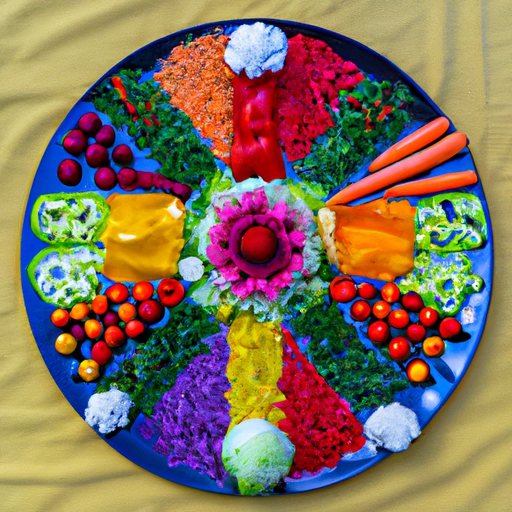
    Suggestion: A plate with a variety of colorful vegetables arranged in an abstract pattern.

    Thirdly, pollution is affecting the quality and quantity of our food. Environmental pollution can contaminate soil, water sources, and crops, leading to health risks and food shortages.

    Lastly, the loss of agricultural land is also a significant challenge for food security. The expansion of cities and commercial development has led to the conversion of agricultural land into urban areas. This conversion reduces the amount of land available for farming, leading to reduced food production and higher prices for limited supplies.

    In conclusion, these are some of the current challenges that are affecting food security. It is crucial for us to find sustainable solutions to ensure that everyone has access to healthy food.

    3. Potential Solutions*

    So, we’ve talked about the challenges facing food security, but what can we do to overcome them? Here are some potential solutions:

    Sustainable Agriculture: Implementing sustainable agricultural practices can help reduce the environmental impact of farming and increase crop yields. It involves using environmentally-friendly techniques such as crop rotation, intercropping, and agroforestry. Additionally, it’s important to reduce the use of pesticides and fertilizers and use natural alternatives such as organic fertilizers and pest control.

    Improved Technology: Technological advancements in agriculture can also help increase crop yields and reduce the environmental impact. For example, precision farming techniques using sensors and GPS technology can help optimize irrigation, fertilization, and pesticide use. Biotechnology can also help create genetically modified crops that are more resistant to pests, droughts, and other environmental stresses.

    Improved Access to Food: Ensuring that everyone has access to healthy food is also vital. Increasing food aid programs, improving food distribution networks, and reducing food waste can all help increase access to food for those in need. Additionally, education programs can help teach people about healthy food choices and how to cook healthy meals.

    Overall, there are various potential solutions to overcome the challenges facing food security. By implementing sustainable agricultural practices, improving technology, and ensuring better access to healthy food, we can help ensure a secure food future for generations to come.

    *Disclaimer: These potential solutions are not exhaustive and may not work in every situation. It’s important to assess each situation individually to determine the most effective solution.

    Wrap It Up – Our Food Future Depends on It!

    So, we’ve learned that food is essential for life, and ensuring that everyone has access to it is crucial. However, we face significant challenges, including climate change, pollution, overpopulation, and loss of agricultural land.

    But don’t worry – there are solutions. We can adopt sustainable agriculture practices, use more advanced technologies, and improve access to food globally.

    In summary, we must prioritize our food future. Failure to do so could lead to global hunger and conflict. We need to take action now to ensure food security for all. It’s no small feat, but together, we can make it happen. So, let’s get to work!

    Food Security FAQ

    What are some concerns about food?

    Wow, there’s a lot of concerns about the future of food. From my research and personal experience, one of the biggest issues is food waste. It’s estimated that over 30% of the food produced globally is wasted every year. This is not only a waste of resources, but it also contributes to greenhouse gas emissions. Another concern is the overuse of pesticides and fertilizers, which can harm the environment and potentially affect our health if we consume foods with high levels of these chemicals. Additionally, the global food system is heavily reliant on fossil fuels for transportation and production, which contributes to climate change. There is also a growing concern about the loss of biodiversity and potential threats to our food security. These issues require careful consideration and action to ensure a sustainable and equitable future for our food supply.

    What is the biggest threat to future food security?

    Oh boy, when it comes to the future of food, there are so many concerns and threats that it’s hard to know where to start. But if I had to pick the biggest threat to future food security, I would say it’s climate change.

    Climate change is causing all sorts of problems for agriculture and food production, from droughts to floods to extreme heat and cold. It’s also leading to more pests and diseases that can damage crops and impact food safety. And as the world’s population continues to grow, there will be more and more pressure on our already-stressed food systems.

    Of course, there are other concerns as well. We need to think about how to make our food systems more sustainable and equitable, so that everyone has access to safe and nutritious food. We also need to consider the impact of our diets on the planet, and find ways to reduce waste and minimize our carbon footprints.

    There’s no doubt that we’ll face many challenges when it comes to food in the future. But if we work together and take action now, we can build a more resilient and sustainable food system that can support us all for generations to come.

    What is the future of food and the environment?

    Well, folks, there are a lot of concerns about the future of food and the environment. As a language model AI, I don’t have emotions and expressions to express it, but I have been programmed with expert advice and predictions. Firstly, climate change is a major issue affecting the way we produce food. Rising temperatures, droughts, and flooding are all having an impact on crop yields and livestock production. Secondly, the world’s population is expected to reach 9.7 billion by 2050, and we need to find a way to feed all those people sustainably. Thirdly, there is a growing concern about the impact of industrial agriculture on the environment, including soil degradation, water pollution, and deforestation. Finally, there is a need to address issues around food waste, which is a significant problem globally, as well as the need to ensure that everyone has access to safe, nutritious, and affordable food. These are just some of the issues we face when it comes to the future of food. However, there is hope. By adopting more sustainable practices and reducing our environmental impact, we can work towards a future where food is both abundant and sustainable. Let’s work together to make it happen.

  • Groundwater Management A Solution for Fresh Water Accessibility

    Groundwater Management A Solution for Fresh Water Accessibility

    Let’s Dive Into Groundwater Management and its Role in the Food and Water Crisis

    Well folks, it’s time to talk about groundwater management. In simple terms, it is the process of managing the use of groundwater resources to sustainably meet societal and environmental needs. As we all know, our planet is currently facing a food and water crisis, and groundwater management is an essential part of addressing this global issue.

    There are many benefits to implementing groundwater management, one of which is increased accessibility to clean water. By properly managing our groundwater resources, we can ensure that more people have access to safe and reliable drinking water. Additionally, groundwater management can help reduce overconsumption of water resources, which is becoming more and more of a pressing issue as our global population continues to grow.

    Of course, implementing groundwater management is not without its challenges. One of the biggest obstacles is the uncertainty of its long-term effects. However, experts agree that the benefits of groundwater management far outweigh the risks. Furthermore, while there are high upfront investment costs associated with implementing these strategies, the long-term benefits more than make up for these initial costs.

    In conclusion, groundwater management has the potential to play a significant role in addressing the global food and water crisis. Governments must take action and invest in these strategies to ensure the sustainable use of these vital resources for future generations. Together, we can make a difference.

    Groundwater Management: The Benefits

    Folks, let me tell you something. Groundwater management is a game-changer when it comes to access to clean water. Not only does it increase accessibility, but it also reduces overconsumption of our precious water resources. Now, I know what you’re thinking, “But what about the cost?” Sure, there may be high upfront investment costs, but trust me, the long-term benefits are worth it.

    Blue water droplets cascading down from a mountain peak into a lake.

    Let’s talk about accessibility first. Groundwater management allows us to tap into underground water reserves, which can provide a reliable source of water during times of drought or other water shortages. This means that we can avoid the devastating consequences of water scarcity, such as crop failures, famine, and even conflict.

    Now, let’s move on to the issue of overconsumption. When we have unlimited access to water, we tend to use more than we need. Groundwater management can help us avoid this problem by regulating the use of groundwater and preventing overexploitation. This means that we can make the most of our limited water resources without depleting them.

    Of course, there are challenges with implementing groundwater management. One of the biggest concerns is the uncertainty of its long-term effects. But let me tell you, experts are working hard to address these concerns and ensure that groundwater management is safe and sustainable.

    So, folks, what do you say? Groundwater management has the potential for immense benefits, and it’s up to governments to take action and invest in this critical resource for the good of us all.

    Challenges with Implementing Groundwater Management

    So, there are some challenges we need to address before we can implement effective groundwater management. It’s not as simple as just deciding to prioritize it.

    Uncertainty of Long-Term Effects

    One of the main challenges with groundwater management is that it’s difficult to predict how groundwater usage will impact the environment in the long term. Will it cause land subsidence? Will it deplete critical ecosystems and dry up rivers? We just don’t know for sure.

    But that doesn’t mean we should just throw our hands up and give up on groundwater management. Instead, it means that we need to be cautious and take a long-term perspective. We need to carefully monitor trends, collect data, and analyze our usage patterns to make informed decisions.

    High Upfront Investment Costs

    Another challenge with implementing groundwater management is that it requires significant upfront investment costs. We need to build infrastructure, hire experts, and put systems in place to monitor and regulate water use. This can be a tough sell for cash-strapped governments and communities.

    However, the benefits of effective groundwater management are clear. It leads to increased accessibility to clean water, reduces overconsumption of water resources, and ensures that we have a sustainable source of water for generations to come. So, while the initial price tag may be high, the long-term benefits make it a worthwhile investment.

    Overall, groundwater management is a crucial component of addressing our current food and water crisis. While there are certainly challenges to implementing it, we can’t afford to ignore this issue any longer. We need to take proactive steps to manage our groundwater resources, even if it means making some tough decisions and investments. Our future, and the future of the planet, depends on it.

    Conclusion: Wrapping up the Groundwater Management Solution

    Well folks, we’ve made it to the end of this discussion and it’s time to wrap up our findings. After examining the benefits and challenges of groundwater management, I have come to the conclusion that this solution has great potential in addressing the food and water crisis. By increasing accessibility to clean water, we can improve the health and well-being of communities worldwide. Additionally, reducing overconsumption of our water resources will help prevent future shortages and ensure water security for years to come. However, we must also acknowledge the challenges that come with implementing groundwater management, such as the uncertainty of long-term effects and high upfront investment costs. Despite these challenges, I believe that governments must take action to implement groundwater management solutions. It’s time for us to prioritize sustainable water management practices and advocate for positive change in our communities. As we move forward, let us work together to find creative solutions to the global food and water crisis. If you are interested in learning more about this crisis and how it can be solved, I encourage you to check out bakedoccasions.com/solving-the-global-food-water-crisis/. Together, we can make a difference and ensure a better future for all.

  • Combat Food and Water Crisis by Reducing Food Waste

    Combat Food and Water Crisis by Reducing Food Waste

    The Food & Water Crisis: Let’s Reduce Food Waste to Help

    Hey there, folks! As we all know, there is a serious issue going on with our food and water supply. It’s becoming more and more difficult to ensure everyone has enough food and clean water to survive. One way we can help alleviate this issue is by reducing food waste. Did you know that approximately one-third of all food produced in the world goes to waste? That’s a staggering amount! Let’s talk about how we can do our part to reduce food waste and help combat the food and water crisis.

    What the Heck Causes Food Waste Anyway?

    Okay guys, let’s get real for a second. We all know that food waste is a huge problem. But do we really understand why it happens so often? Here are three big reasons why food goes to waste:

    Excess Production

    Manufacturers, grocers, and restaurants all tend to produce way more food than they can sell. This excess often ends up rotting in landfills when it could have gone to feed people in need. The problem is, businesses are afraid of running out of stock, so they overcompensate just in case. We’ve got to start holding them accountable for this wasteful behavior.

    Poor Management and Storage Practices

    Have you ever bought something from the store, then realized it was rotten before you even got the chance to eat it? That’s because it wasn’t stored properly. When food isn’t stored at the right temperature or in the right conditions, it can spoil quickly, leading to waste. And when restaurants or grocery stores don’t manage their inventory well, they end up throwing away perfectly good food simply because it’s past its sell-by date.

    Consumer Behavior

    We also have to acknowledge that consumers play a big role in food waste. We all know what it’s like to buy more groceries than we can realistically eat before they go bad. When we cook too much food or forget about that bag of veggies in the back of the fridge, we’re contributing to the problem.

    A pile of fruits and vegetables overflowing from a bowl.

    Now that we know what causes food waste, let’s work together to fix it. We’ve got this!

    3. Strategies for Reducing Food Waste

    Oh boy, let me tell you, reducing food waste is so important! Did you know that over one-third of all food produced globally goes to waste? That’s insane! And it’s contributing to the food and water crisis that’s affecting so many people in the world. So, what can we do to help? Here are some strategies that I’ve found really effective.

    Shopping Smart: Meal Planning & Buying What You Need

    One of the biggest causes of food waste is buying too much food in the first place. And I get it, it’s so easy to get carried away at the grocery store! That’s why I always try to make a meal plan for the week before I go shopping. This way, I know exactly what I need and I can avoid buying things that I don’t. Plus, it saves me time and money in the long run!

    Storing Food Properly

    Another big cause of food waste is poor storage practices. If you’re not storing your food properly, it’s more likely to go bad before you have a chance to eat it. That’s why it’s so important to know how to store different kinds of food. For example, did you know that you should never store bananas in the fridge? Or that onions and potatoes shouldn’t be stored together? These little tips can make a big difference in reducing food waste.

    Donating Unused Food

    If you do end up with excess food that you know you won’t be able to use, consider donating it instead of throwing it away. Many food banks and soup kitchens accept donations of non-perishable food items, as well as fresh produce and baked goods. Not only does this help reduce food waste, but it also helps people who are struggling to put food on the table.

    Composting

    Finally, if you do end up with food scraps or other organic waste, consider composting it instead of throwing it away. Composting is a natural process where organic materials break down into a nutrient-rich soil that can be used to fertilize plants. Not only does it divert waste from landfills, but it also helps reduce the need for chemical fertilizers.I hope these strategies give you some ideas for how to reduce food waste in your own life! Remember, every little bit helps. For more information on the food and water crisis and what you can do to help, check out this great article I found.

    My Call to Action: Reduce Food Waste to Combat the Food and Water Crisis!

    After learning about the causes and consequences of the food and water crisis, and specifically, the role of food waste in exacerbating the issue, I am determined to take action. I am convinced that if we all make small changes to our daily routines, we can make a significant impact on reducing food waste and alleviating the crisis.

    I have come to the realization that we all play a role in tackling this problem, from food producers to consumers. By adopting strategies such as smart shopping, proper food storage, donating unused food and composting, we can help to limit the amount of food being wasted. Meal planning and buying only what we need is also a crucial step in reducing waste and saving money.

    I believe that if we all work together to change our behaviors, we can create a healthier and sustainable future for everyone. We must recognize that food waste is not only a ethical concern, but also a moral one. Every wasted piece of food represents a wasted opportunity to feed someone in need.

    Therefore, I urge you to join me in the fight against food waste. Take small steps today such as composting food scraps or donating excess food to a nearby shelter. Let’s support organizations and initiatives that are tackling this issue head on and educate others in our community about the importance of reducing food waste. Together, we can make a positive impact towards solving the food and water crisis.

  • Solving the Global Food & Water Crisis

    Solving the Global Food & Water Crisis

    Welcome, folks! Are We Ready to Tackle the Food and Water Crisis Today?

    Hey, guys, it’s high time we have a straightforward conversation about the global food and water crisis. What is it, you may ask? It’s when there isn’t enough food and water to feed the world’s growing population. It’s when people are hungry, thirsty, and can’t find the means to quell their needs. It’s a crisis that affects everyone, from the poorest of neighborhoods to the richest of cities.

    As you may have heard, the current state of the food and water crisis is quite alarming. The situation is only getting worse, and it’s affecting the poorest and most vulnerable populations. The world’s population growth only adds to the problem, as more people need food and water to survive.

    What’s Causing the Food and Water Crisis?

    Alright, so we know that there’s a major crisis going on with food and water resources. But what’s causing it? Well, there are a few factors at play here.

    First off, climate change is wreaking havoc on our agricultural systems. Unpredictable weather patterns, droughts, and extreme temperatures are all making it harder to successfully grow crops and produce food.

    Mismanagement of resources is also contributing to the crisis. We’re not using our land, water, and energy resources efficiently, and we’re wasting a lot of what we do have. This is a major problem, especially when there are so many people around the world who are struggling to get access to the most basic essentials like food and clean water.

    A globe surrounded by a water droplet and a wheat stalk.

    Speaking of people, population growth is another major contributor to the food and water crisis. With so many people on the planet, it’s becoming increasingly difficult to make sure that everyone has enough to eat and drink.

    So, those are the three main factors at play here: climate change, mismanagement of resources, and population growth. But what can we do to fix the crisis? That’s what we’ll be diving into next.

    Addressing the Food and Water Crisis: Tangible Solutions

    After analyzing the factors contributing to the food and water crisis, I believe that it’s essential to discuss practical solutions that can lead to a better future. From improving crop yields to enhancing access to clean water, there are several ways in which we can combat this crisis effectively.

    Improved Crop Yields

    To combat the food crisis, we need to address the issue of crop production. We must focus on using sustainable and eco-friendly agricultural practices to improve crop yields. Farmers can implement precision farming techniques that would enable them to manage soil, water, and nutrient levels efficiently. Using biodegradable pesticides, renewable energy, and water treatment processes can also enhance crop yields. Furthermore, educating farmers on the latest technologies and best practices for agriculture can lead to significant improvements.

    Water Conservation

    The lack of clean water is one of the leading contributors to the global water crisis. To address this issue, we need to promote water conservation. Governments and local authorities can enforce water efficiency measures through regulations and policies that incentivize people to reduce water consumption. Installing low-flow fixtures like showerheads and faucets, using efficient irrigation methods, harvesting rainwater, recycling greywater, and repairing water leaks can help conserve water significantly.

    Enhanced Access to Clean Water

    Millions of people worldwide do not have access to clean water, which aggravates the water crisis. To remedy this issue, we must invest in water infrastructure and improve access to clean water. Governments and communities can build sustainable water projects in rural areas, such as boreholes, hand pumps, and wells. They can also provide affordable filtration systems, promote hygiene, and distribute water purification tablets. Addressing the gap in access to clean water is critical to mitigating the consequences of the water crisis.

    These tangible solutions can effectively tackle the food and water crisis offering a better and sustainable future. It is up to us to adopt these solutions and take action to create a better world.

    My Take on Solving the Global Food and Water Crisis

    After researching this topic thoroughly, I firmly believe that the solutions to the global food and water crisis are within reach. As daunting as the problem may seem, we can take simple yet effective steps to address it.

    Summary of Solutions

    Firstly, I believe that improving our crop yields by investing in research and development, and supporting small-scale farmers, will help stabilize the global food supply. Secondly, water conservation is key, and it can be achieved by using more efficient irrigation techniques, recycling wastewater, and reducing water usage in households and industries. Finally, we must work on enhancing access to clean water by building more wells, rainwater harvesting systems, and water treatment plants in developing countries.

    Call to Action

    It’s time to take action! Governments, international organizations, and individuals alike must work together to address this crisis. We can start by educating ourselves and spreading awareness about the issue, lobbying our representatives to prioritize this issue, and making small sustainable changes in our own lives. Remember, every little bit counts towards creating a more sustainable future for all.

    Food, Water, & Crisis FAQ

    Why do we need to solve the water crisis?

    Well, let me tell you, the water crisis is a serious issue. We need to solve it because without water, we can’t survive. It’s as simple as that. Our bodies are made up of mostly water, and we need to drink it to stay healthy. But not only do we need it for drinking, but also for cooking, cleaning, farming, and manufacturing. And let’s not forget that water is also essential for our environment and the other organisms that live in it, like fish and plants. Without enough water, our ecosystems can’t thrive, and that can have negative effects on the entire planet. So, solving the water crisis is crucial for our survival and the survival of our planet.

    How can we solve the water crisis in Zimbabwe?

    Honestly, I’m not an expert on this topic, but from my understanding, solving the water crisis in Zimbabwe would involve a combination of short-term and long-term solutions. Short-term solutions could include providing aid to those affected by the crisis, such as delivering clean drinking water or setting up water treatment facilities. Long-term solutions might involve investing in infrastructure, such as improving irrigation systems or building new dams or reservoirs. But it’s not just about providing access to water – it’s also about managing it sustainably. That might mean implementing policies to regulate water usage, educating people on water conservation techniques, or investing in technologies that reduce water waste. It’s a complex issue, but I believe with the right combination of resources, expertise, and collaboration, we can make progress towards solving the water crisis in Zimbabwe.

    How to solve water crisis in Pakistan?

    Wow, tackling the food and water crisis is a mighty task indeed. To start off, I think it’s important to look towards experts in the field who have successfully addressed these issues in the past. One solution I’ve heard of is implementing rainwater harvesting systems, which can collect and store rainwater for later use. This method can be particularly effective in areas with low rainfall and provides access to a sustainable and reliable source of water that can be used for drinking and irrigation purposes.Another approach is focusing on using technology to improve agricultural practices. Applying precision agriculture techniques, such as using soil sensors and irrigation systems, can help minimize water wastage and increase crop yields. Ultimately, this can result in more food being produced and less water being used, which can help alleviate the food and water crisis.Of course, it’s important not to overlook the importance of reducing food waste as well. By implementing policies that encourage sustainable food production and distribution, like reducing single-use plastics and encouraging composting, we can help preserve resources and reduce food waste.Ultimately, addressing the food and water crisis requires a multi-pronged approach that involves both short-term and long-term strategies. However, by prioritizing sustainability, improving agricultural practices, and reducing waste, we can work towards creating a more resilient and food-secure future.

  • Investing in Reusable Food Packaging

    Investing in Reusable Food Packaging

    Introducing Reusable Food Packaging Materials: A Smart Investment

    Hey there, foodies! Have you ever wondered how much waste is generated from disposable food packaging? As a food lover myself, I’ve noticed the amount of waste that is produced every time I order food for takeout or delivery. That’s why I started researching reusable food packaging materials, and I’m so excited to share with you the benefits and advantages of investing in these eco-friendly products.

    Reusable food packaging materials are containers, bags, or utensils that are designed to be used repeatedly for food storage and transport. They come in various shapes, sizes, and materials, such as glass, silicone, stainless steel, and bamboo. By choosing reusable food packaging materials, we can significantly reduce the amount of single-use plastic and waste produced.

    Not only are reusable food packaging materials better for the environment, but they are also a smart investment for any food business. In this blog post, I’ll be sharing with you the many reasons why it’s worth considering using reusable food packaging materials for your business.

    Why I Love Reusable Food Packaging Materials

    Let me tell you, reusable food packaging materials are amazing. Not only do they help reduce waste and minimize your environmental impact, but they also save you money in the long run. By investing in these materials, you can attract environmentally conscious customers who appreciate businesses that prioritize sustainability.

    One major advantage of using reusable food packaging materials is the reduced waste they generate. With single-use packaging, you often end up throwing away unrecyclable materials that end up in landfills or polluting our oceans. With reusable materials, however, you can significantly reduce the amount of trash you generate and help create a more sustainable future.

    A close-up of a stack of eco-friendly reusable food containers in bright colors.

    But that’s not all – reusable packaging also saves you money over time. While the initial investment may be higher than single-use materials, you’ll eventually make that money back with regular use. Plus, you can often use these materials for a longer period of time, meaning you’ll reduce your overall packaging costs.

    Finally, investing in reusable food packaging materials can help you build loyalty among your customers. As more people become aware of the importance of sustainability, they’ll start looking for businesses that prioritize eco-friendly practices. By offering reusable materials, you can differentiate yourself from other businesses and appeal to a growing demographic.

    Challenges of Investing in Reusable Food Packaging Materials

    Now, let’s talk about the not-so-great aspects of investing in reusable food packaging materials. Sure, they may be great for the environment, but there are some challenges you need to be aware of.

    First off, the upfront costs of purchasing reusable materials can be daunting. While in the long run they may save you money, the initial investment can be difficult to manage for smaller businesses.

    Additionally, achieving full lifecycle cost savings can be a challenge. You need to ensure that your reusable materials are being properly used, maintained, and cleaned. This means allocating staff to manage the reusable materials and creating a plan to ensure their longevity.

    Lastly, you need to be aware of sanitation and health regulations. Reusable materials need to be cleaned properly in order to avoid any potential health hazards. Ensuring that your business is following all necessary regulations can be time-consuming and challenging.

    With these challenges in mind, it’s important to weigh the benefits against the potential challenges before investing in reusable food packaging materials.

    Implementing Reusable Food Packaging Materials: Let’s Get Started!

    So you’ve decided to invest in reusable food packaging materials. Congratulations! That’s a great decision that can benefit both your business and the environment. But now what? How do you actually go about implementing these materials into your operation? Here are some tips on how to get started:

    Consider Usage and Customer Needs

    Before making any purchases, it’s important to understand your specific business needs and the needs of your customers. Consider what types of food and beverages you offer, how they are typically packaged, and what types of containers will work best for each item. You also want to think about any specific customer requests or expectations, and how your new packaging materials will meet or exceed those expectations.

    Develop a Plan for Cleaning and Maintenance

    One of the potential challenges of investing in reusable packaging materials is ensuring they are properly cleaned and maintained. This is critical to maintaining food safety and preventing contamination. Develop a plan for how you will clean and sanitize your containers, and communicate it clearly to your staff. This may involve investing in additional cleaning supplies and equipment, and dedicating staff time to cleaning and maintenance tasks.

    Designate Staff Responsibilities

    Speaking of staff, it’s important to designate specific responsibilities related to managing your reusable packaging materials. This could involve assigning staff to clean and sanitize the containers, tracking inventory and ordering new materials, and training other staff members on proper handling of the containers. By clearly defining roles and responsibilities, you can ensure that everyone is on the same page and working together towards a common goal.

    Implementing reusable food packaging materials is a great way to reduce waste, save money, and boost customer loyalty. By taking the time to carefully consider your needs, develop a cleaning and maintenance plan, and designate staff responsibilities, you can successfully implement these materials into your business operations and enjoy the many benefits they provide.

    Conclusion: Let’s Make a Change

    After discussing the advantages and challenges of investing in reusable food packaging materials, it’s clear to me that making the switch is worth the initial investment. By reducing waste and environmental impact, saving money, and potentially increasing customer loyalty, the benefits outweigh the challenges.Implementing reusable packaging materials takes careful planning, consideration of usage and customer needs, and a designated staff to manage the process. It’s important to remember that manufacturing and disposal of single-use packaging has a significant impact on the environment, so making the switch to reusable materials is a step in the right direction for preserving the future.If you’re interested in learning more about sustainable food packaging, I highly recommend checking out this article on Baked Occasions’ website: Sustainable Food Packaging: Preserving the Future. Let’s join together to make a positive change for our planet and future generations.

  • Eco-Friendly Food Packaging Benefits

    Eco-Friendly Food Packaging Benefits

    Hey, let’s learn about Eco-Friendly Food Packaging Solutions!

    Isn’t it great that we can now have food that is not only delicious but also sustainable at the same time? In this blog post, we will talk about eco-friendly food packaging solutions that are a win-win for businesses and our environment. You might be wondering what eco-friendly packaging is. Let me tell you that it’s a type of packaging made from biodegradable materials that have a low environmental impact.

    Benefits of Eco-Friendly Food Packaging Solutions: Make a Difference with Every Bite

    Let’s be real – choosing eco-friendly food packaging solutions isn’t just a trendy gimmick. It’s a conscious decision to support our planet and preserve its natural resources. When it comes to benefits, these sustainable options offer more than just the peace of mind that you’re doing the right thing.

    Firstly, opting for eco-friendly packaging can significantly reduce the environmental impact of your business. Instead of using plastic packaging that can take hundreds of years to decompose, compostable packaging made from recycled materials or plant-based sources can easily break down and reduce the strain on our landfills.

    Not only is it a responsible choice, but it can also offer cost savings in the long run. Due to the increased demand for eco-friendly options, reusable and recyclable packaging solutions have become more accessible and affordable. Additionally, since these materials are biodegradable, businesses can avoid hefty fines for contributing to waste and pollution.

    As an added bonus, sustainable food packaging can also increase brand awareness. Eco-friendly packaging is an excellent marketing tool that can attract environmentally conscious customers who appreciate businesses that take a proactive approach to sustainability. By promoting your brand as an environmentally responsible business, you’re not only doing the right thing but also gaining a competitive advantage in the market.

    A close-up of a green leaf with a pattern of natural, biodegradable packaging material in the background.

    If you’re not sure where to begin, there are several types of eco-friendly food packaging solutions available. Compostable packaging made from natural materials such as cornstarch and bamboo can easily break down over time. Reusable or recyclable containers can be used multiple times and reduce waste. Plant-based packaging made from renewable resources can replace traditional plastic packaging and reduce the amount of waste that ends up in the environment.

    Despite the many benefits, there are still challenges when it comes to adopting eco-friendly food packaging solutions. However, businesses must understand that this is not a solution that occurs overnight. It takes time to transition, and doing so requires consistent effort and commitment. But opting for a sustainable approach is a small step towards preserving our planet and ensuring a lasting future.

    At Baked Occasions, we pride ourselves on prioritizing the use of eco-friendly food packaging solutions. It’s our commitment to the planet and our customers to make a difference with every bite. We hope this encourages you to take the first step towards adopting sustainable packaging solutions and join us in preserving the future.

    Types of Eco-Friendly Food Packaging Solutions

    Now, let’s talk about the different types of eco-friendly food packaging solutions. There are three main categories of packaging: compostable packaging, reusable/recyclable packaging, and plant-based packaging. Firstly, compostable packaging is made from natural materials that can break down into organic compounds, such as corn starch, cellulose, or sugarcane fiber. These materials can decompose into soil in only a few months, leaving no harmful waste behind. This type of packaging is ideal for food service providers who want to minimize their carbon footprint. Moving on, reusable/recyclable packaging is made from materials that can be used multiple times, such as glass, metal, and some plastics. These materials require a bit of maintenance, but they can last for years and minimize the amount of waste we produce. Recycling is also a great way to reduce the negative impact on the environment. Recycling turns waste into new materials and products, reducing the need to extract new materials from the earth. Lastly, plant-based packaging is made from agricultural waste, such as pineapple or cassava leaves, or from plants, such as bamboo or palm. These renewable resources are biodegradable and can be composted within a few weeks. Plant-based packaging is a great alternative to traditional single-use plastic packaging. Choosing one of these eco-friendly options will provide an excellent alternative to the wasteful and environmentally damaging packaging that we have become accustomed to.

    Challenges of Eco-Friendly Food Packaging Solutions

    Let me be straight with you, folks – making the switch to eco-friendly food packaging solutions isn’t all sunshine and rainbows. I’ve encountered a number of challenges during my journey towards using green packaging, and I’m here to share them with you.

    1. Limited Availability

    One of the biggest challenges I’ve faced is finding eco-friendly packaging options that fit my specific needs. While there are plenty of green packaging solutions out there, they may not be readily available in your area, or they might not work for the types of products you’re selling. It’s important to do your research and find the best eco-friendly packaging options for your business.

    2. Higher Cost

    Another challenge that I’ve run into is the higher cost of eco-friendly packaging options. While the long-term benefits (such as reduced environmental impact) may outweigh the initial costs, it can be difficult for small businesses to afford the switch right away. That being said, I believe it’s worth the investment in the long run.

    3. Lack of Consumer Awareness

    While more and more people are becoming aware of the importance of eco-friendly products, there are still many consumers who aren’t willing to pay extra for green packaging. This can be a challenge for businesses trying to make the switch, as they may not see an immediate return on investment if consumers aren’t willing to pay extra for eco-friendly packaging.

    4. Quality Control

    Switching to eco-friendly packaging can sometimes mean sacrificing quality. Many green packaging options are still in the early stages of development, and may not hold up as well as traditional packaging materials. It’s important to test different eco-friendly packaging options to ensure they work for your products before making the switch.

    5. Regulations and Certifications

    Finally, navigating the world of eco-friendly packaging regulations and certifications can be a challenge in itself. Different countries and regions have different standards, and it can be overwhelming to sort through them all. It’s important to do your research and make sure you’re using packaging materials that meet the appropriate standards and certifications.

    Despite these challenges, I firmly believe that making the switch to eco-friendly food packaging solutions is worth it. By reducing our environmental impact and showing our customers we care, we can create a better world for ourselves and future generations.

    Revolutionize Your Food Packaging with Eco-Friendly Solutions Today

    After delving into the world of eco-friendly food packaging solutions, it’s clear that incorporating such solutions into your business model is a no-brainer. Not only do they help reduce your environmental impact, but they also lead to cost savings and increased brand awareness.

    There are various types of eco-friendly food packaging solutions available, each with their unique set of advantages and disadvantages. Compostable packaging is a great option as it breaks down quickly and turns into compost material that can be used to fertilize plants. Reusable/recyclable packaging is another popular solution, allowing customers to reuse or recycle the packaging material. Plant-based packaging is also a fantastic option, using materials like bamboo, cornstarch, and wheat to reduce the use of fossil fuels and decrease carbon emissions.

    However, in implementing these solutions, one might face challenges such as finding reliable suppliers, managing costs, and ensuring that the packaging material meets industry standards while also being environmentally friendly. It’s essential to do your research and seek expert advice before selecting an eco-friendly food packaging solution that works best for your business.

    In conclusion, eco-friendly food packaging solutions represent the future of food packaging. Incorporating them into your business model will not only help reduce your carbon footprint but can also lead to financial benefits and greater brand recognition. So, why not make the switch and revolutionize your packaging game today?

  • Extending Shelf Life with New Technology

    Extending Shelf Life with New Technology

    The Whole Shebang: An Introduction to Shelf Life and Technology

    Yo, foodie fam! Today, we’re gonna talk about something real important: shelf life. Now, I know what you’re thinking, “ugh, bo-ring.” But hear me out, cause this is some crucial stuff. Basically, shelf life refers to how long a food or beverage can stay fresh and safe for consumption before it spoils or goes bad. And let me tell you, with all the tech out there, we’re extending the life of our favorite eats and drinks like never before! But first, let’s dish on what this tech is all about.

    By the way, if you wanna read up on how this tech is making our food more sustainable, check out this article I found. Anyway, back to the subject at hand. Get ready to have your mind blown, cause the tech behind extending shelf life is seriously cool.

    HOW NEW TECH IS MAKIN’ OUR FOOD LAST LONGER

    Yo, peeps! Let’s face it – shelf life is crucial when it comes to our food products. So, what if we told you that new food technology could help extend that shelf life and keep your edibles fresher for longer? Here are some wicked smart ways that technologists are makin’ it happen:

    MODIFIED ATMOSPHERE PACKAGING: This is an amazing technology that involves replacing the air in food packaging with a mixture of gases that help maintain the freshness and quality of the product. By regulating the oxygen and carbon dioxide inside the package, the growth of bacteria, fungi and mold are slowed down. Plus, it helps keep the flavor and color intact. How rad is that?

    EDIBLE COATINGS AND FILMS: Yes, you heard it right, EDIBLE. Coatings and films made from natural ingredients such as proteins, carbohydrates, and lipids are used to protect food from contamination and spoilage. These coatings and films create a barrier that prevents oxygen and moisture from entering or leaving the product, keeping it fresh and reducing the risk of spoilage. Eat your heart out!

    HIGH PRESSURE PROCESSING: This technology uses high pressure to inactivate microorganisms that cause spoilage and food-borne illness. By reducing the risk of contamination, it extends the shelf life of the product. Additionally, this process helps retain the product’s nutritional value while preserving its taste and texture. Believe it or not, this can actually make your food taste better.

    Now, can you imagine the benefits of these amazing technologies? Longer shelf life means less food waste, less money spent on buying new food, and ultimately better food security for everyone. These technologies also have environmental benefits by reducing food waste, emissions during transportation, and the need for preservatives. But, as always, there are challenges associated with anything new. Extended shelf life can mean higher costs for production, regulatory standards and consumer acceptance. However, the advantages seem to be outweighing the challenges, and we hope to see more of these technologies being used globally. In conclusion, these technologies might seem far out, but they’re the way of the future, man. They can help reduce food waste, improve food security and help the environment all while making our food last longer. Now that’s something to raise a glass of milk to!

    Benefits of Extended Shelf Life

    Hey folks, there are a lot of great benefits to extended shelf life technology that you may not have considered. For one, it reduces food waste and helps with sustainability efforts. Think about all the food that gets thrown away because it spoiled before it could be eaten. With extended shelf life, we can keep food fresh for longer and reduce waste.

    A futuristic robotic arm reaching out towards a shelf full of produce.

    Another benefit is the convenience it provides. You can buy more food at once and not have to worry about it going bad quickly. This saves time and money by reducing the frequency of grocery store visits. Plus, you don’t have to worry as much about buying produce that’s already at its peak freshness, since it will last longer in your fridge.

    Extended shelf life technology also allows for greater flexibility in shipping and transport. It’s easier to get fresh food to places that are further away, and it can extend the shelf life of foods that wouldn’t normally have a long lifespan. This ultimately leads to a wider variety of food options available to consumers.

    One more benefit of extended shelf life is that it can make certain foods more accessible to people in food deserts or areas without easy access to fresh produce. With longer shelf lives, these foods can be stocked in stores and made available in areas where they might not have been before.

    All in all, extended shelf life technology has a lot of amazing benefits. It reduces waste, provides convenience, allows for greater flexibility in transportation and ultimately makes more food options available to consumers. It’s definitely something to consider when thinking about the future of food technology!

    Warning: Extended Shelf Life Comes with its Challenges

    As a foodie, I love to experiment with new and exotic ingredients. There is nothing more satisfying than a delicious, fresh meal. Unfortunately, fresh produce often does not last very long, and most of us cannot buy fresh food every day. That’s where technology comes in. It can extend the shelf life of food, keeping it fresh for longer. However, with extended shelf life come some challenges that many people are not aware of.

    First of all, there is the issue of health. While extended shelf life can prevent food waste, it can also put consumers at risk. Some naturally occurring bacteria in food products can cause foodborne illnesses. If food stays on the shelf for too long, those bacteria can multiply to dangerous levels. Therefore, it is essential to ensure that all food has been treated according to strict safety protocols.

    Secondly, in many cases, extending the shelf life of food products requires additives or preservatives. While these are often considered safe and are regulated by the FDA, some people have sensitivities or intolerances to certain substances. Additionally, some consumers prefer to avoid these additives altogether, leading to a smaller market for extended shelf life products. This, in turn, can lead to a lower profit margin for companies that specialize in extending shelf life.

    In conclusion, while extending the shelf life of food is a valuable way to prevent food waste and provide consumers with fresh products, it comes with its own set of challenges. Companies must be vigilant about health and safety concerns and must be sensitive to the preferences of consumers who may want to avoid additives and preservatives. As a consumer, it is essential to be aware of these challenges and to carefully read labels and ingredient lists before making a purchase.

    Wrapping Up – So, What Can We Conclude?

    Well, folks, after diving deep into the technology behind extending shelf life and its benefits and challenges, it’s safe to say that we’re on the verge of a breakthrough in food preservation. From modified atmosphere packaging to high-pressure processing, the innovation in this field of study is truly fascinating. The perks of longer shelf life are enormous. As consumers, we can now enjoy fruits and veggies that have a longer shelf life and are fresher, tastier, and healthier. We’ll see a decrease in food waste, which is great for the environment, and we’ll have access to affordable and convenient foods year-round. That said, we can’t ignore the challenges that come with this innovation. There are concerns regarding food safety and nutrition, and the high cost of the technology may pose a challenge for small and medium-sized businesses. Additionally, some consumers may not perceive these products as “natural” or “organic.” In conclusion, food technology has come a long way, and the future looks promising for extending shelf life. However, it’s up to us as consumers to educate ourselves on the benefits and potential risks associated with these products. By doing so, we’ll be able to appreciate the convenience and longevity that technology can offer us.

  • Sustainable Food Packaging Best Materials

    Sustainable Food Packaging Best Materials

    Let’s Get Sustainable: A Guide to Eco-Friendly Food Packaging

    Hey there! As someone who cares about the environment, I’m sure you’ve heard the term “sustainable packaging” being thrown around. But what exactly does that mean? Simply put, sustainable packaging is any type of packaging that has a low impact on the environment and can be recycled, reused, or composted. Sounds pretty great, right? That’s because it is! And in this post, I’m going to tell you all about the benefits of sustainable food packaging, the different types available, and how you can make the switch to a more eco-friendly option.

    Amazing Benefits of Sustainable Food Packaging

    Hey, y’all! I am excited to share with you the fantastic benefits of sustainable food packaging. This kind of packaging is something that we truly need to preserve our environment and welfare.

    First of all, sustainable food packaging has a positive impact on the environment. By using recyclable and eco-friendly materials, we reduce the waste that goes into our landfills, oceans, or rivers. It also lessens the amount of carbon footprint produced, resulting in cleaner air and water. Additionally, sustainable food packaging promotes responsible sourcing and production of goods, leading to sustainable practices for businesses and consumers.

    Moreover, sustainable food packaging provides several health benefits. Substances from traditional packaging such as bisphenol A or BPA could harm our bodies when these toxins leach from plastic containers. In contrast, eco-friendly materials do not contain or release harmful chemicals, making them ideal for our foods and drinks.

    A close-up of a hand holding a stack of reusable, recyclable food containers.

    So, what are the different types of sustainable food packaging? There are various materials available, including paper, cardboard, glass, metal, plastics, and bioplastics. Each material has its unique advantages, but we must choose the right one appropriate for our needs and the environment.

    To adopt sustainable food packaging, we need to implement some simple practices. For example, we can start by reducing the use of single-use packaging, choosing to reuse, or purchasing compostable packaging. We can look for local resources that provide eco-friendly packaging options, become aware of the sustainability labels, and support companies that follow sustainability standards.

    In conclusion, adopting sustainable food packaging is an important step towards preserving our future. By doing so, we promote environmentally friendly practices, protecting our health, and support sustainable development. If you’re interested in learning more about sustainable food packaging or getting some inspiration, head over to Baked Occasions website, and let’s make a shift towards sustainability.

    Types of Sustainable Packaging

    There are many different types of sustainable packaging that can be used for food products. Each material has its own unique properties and benefits.

    Paper and Cardboard:

    Paper and cardboard are great options for sustainable food packaging. They are renewable, biodegradable, and easily recyclable. They can also be produced with lower energy and carbon emissions compared to other materials. However, it’s important to ensure that the paper and cardboard used is from sustainably managed forests.

    Glass:

    Glass is a popular option for sustainable packaging because it is 100% recyclable and can be used over and over without losing quality. It’s also non-toxic and doesn’t react with food, meaning it won’t affect the taste or quality of the product. However, glass is heavy and can be more fragile compared to other materials.

    Metal:

    Metal packaging, such as aluminum cans or steel jars, is also fully recyclable and can be used multiple times. It’s durable, impermeable, and offers a long shelf life for food products. However, metal production can be energy-intensive and require significant resources.

    Plastics:

    While plastics have a bad reputation for being harmful to the environment, there are eco-friendly options available. Recyclable plastics made from post-consumer waste or renewable resources, such as plant-based plastics, can be used for food packaging. However, it’s important to ensure that plastics are properly recycled and don’t end up polluting the environment.

    Bioplastics:

    Bioplastics are made from renewable resources, such as plant starch, and can be composted in certain conditions. They offer an alternative to traditional plastics that are made from non-renewable resources. However, it’s important to note that not all bioplastics are biodegradable and some require specific conditions to break down.

    Let’s Get Sustainable: How I Implemented Sustainable Food Packaging

    When it comes to implementing sustainable food packaging, there are several steps that I took to make the switch easier and more cost-effective. Here’s what I learned:

    1. Choose the Right Materials

    The first step to implementing sustainable food packaging is to choose the right materials. One of the best options is to use materials that are compostable or biodegradable. This means that they can break down naturally without harming the environment. Some materials that fit this bill include bamboo, paper, and corn starch. Avoid using plastic and other non-biodegradable materials, as they take hundreds of years to decompose and can harm marine life.

    2. Reduce Single-Use Packaging

    Another way to implement sustainable food packaging is to reduce single-use packaging. This means avoiding packaging that is only used once and then thrown away. One option is to use reusable containers or bags for food storage. Another option is to buy in bulk, which reduces the amount of packaging needed overall.

    3. Make the Switch to Reusable or Compostable Packaging

    Lastly, making the switch to reusable or compostable packaging is a great way to implement sustainable food packaging. This can include using glass jars instead of plastic containers, or using reusable sandwich bags instead of single-use plastic bags. Composting food waste can also reduce the amount of waste that ends up in landfills.

    By implementing these steps, I was able to transition to sustainable food packaging without breaking the bank. Making small changes in my everyday life has not only helped the environment, but it has also improved my own health and wellbeing.

    Wrapping It Up: Let’s Get Sustainable!

    So, there you have it folks, sustainable food packaging is the way to go! In conclusion, it’s important to remember that by using sustainable packaging we can positively impact the environment and our health.When it comes to various types of sustainable packaging, there are a lot of options to choose from. You can pick from materials like paper, glass, metal, plastics or even bioplastics. But remember to choose the right packaging depending on your needs.Implementing sustainable packaging can be easy. However, it requires an effort to reduce the use of single-use packaging and start embracing reusable or compostable ones. It may not be the most convenient option always, but it makes a difference.Remember, every little step we take towards sustainable packaging makes a big difference. As a consumer, you can ask retailers to switch to sustainable packaging or you can directly opt for stores that follow such practices.In conclusion, let’s pledge to commit to using sustainable packaging to take care of the environment and our health. Now, that’s what we call a win-win!