Author: admin

  • The Impact of Food on the Environment

    The Impact of Food on the Environment

    Food and the environment go together like two peas in a pod. Take one away and the other just doesn’t quite feel right. But what exactly do we mean when we talk about food and environment? Well, it’s all about how our relationship with nature has an impact on what we eat and vice versa. Here’s a quick guide to this fascinating topic!

    Food is fundamentally connected to the natural world — from where it comes from, to how it’s grown and processed. In this modern age, our actions as consumers of food can have far-reaching effects on our planet’s climate, land, water, biodiversity, and air quality.

    The relationship between food and the environment has been a part of human life for centuries. From medieval times, when the peasants operated small farms out of necessity, to today, when supermarkets offer a dizzying array of choices from around the world, humans have had to make decisions about what to eat that have consequences for the planet.

    But understanding this relationship is more complicated than ever before. That’s why it’s so important to learn about the environmental impacts of different types of food production. Doing so will help us make better decisions when it comes to the foods we purchase, the methods of transport they use, and even the packaging they come in.
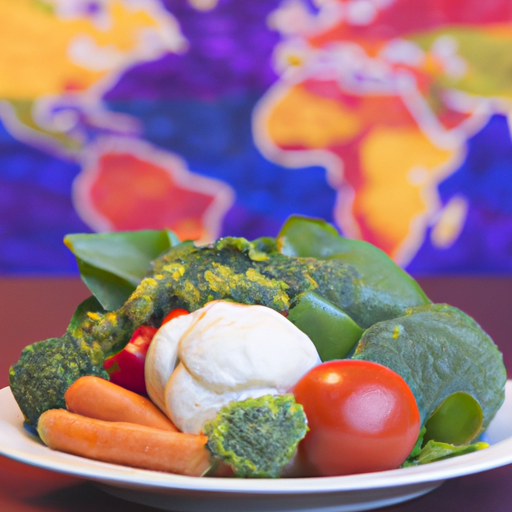
    A plate of vegetables with a globe in the background.

    So let’s dive into the wild world of food and environment and explore how our choices shape the world we live in!

    Impact of Climate Change on Agriculture

    It’s no secret that climate change is having a major impact on agriculture – it’s getting warmer, there are more droughts, and the soil isn’t doing so hot either. But what, exactly, are the changes we’re seeing?

    First off, temperatures are steadily rising all over the world. This means hotter summers and wetter winters, which can really put a strain on farmers. Plants need just the right amount of heat and moisture in order to flourish, but if things get too extreme they become stressed out – and when plants are stressed out, crop yields go down.

    Changes to rainfall patterns are another effect of climate change. With more extreme weather we’re seeing heavier rains in some areas and longer periods of drought in others. This sort of variability can cause huge problems for farmers; crops grown in too little water will suffer, while those grown in too much may drown.

    The last thing that climate change does to agriculture is damage the soil. Soil health depends on the balance between plants, animals, and microorganisms. But when temperatures rise and rainfall patterns change, this balance is thrown off, leading to soil becoming degraded (i.e. not good for growing anything).

    How Food Production Impacts the Environment

    No doubt y’all have heard of some way food production messes with the environment. But to what extent? Well, it ain’t just bibbity-bobbity-boo. It’s serious business. Let’s break down a few of the big impacts our meals have on the planet.

    First off, water usage. For many crops, irrigation is a must. So much so that it accounts for about 90% of the world’s freshwater utilization. And if that water ain’t used smartly – like recycling wastewater or using drought-tolerant plants – then it can definitely take a toll on ecosystems.

    Unsustainable farming practices don’t help matters none either. We’re talking about stuff like monocropping and toxic pesticide use. Both not only harm the environment but also contribute to soil degradation, which can lead to decreased crop yields. Not cool!

    Fertilizers and pesticides aren’t great either. They can poison ground or surface water, contaminate air, trigger air pollution, and even produce dead zones in waterways. It’s no wonder they’re known as environmental contaminants.

    So yeah, food production has some serious environmental ramifications. That’s why it’s important that we take action to reduce its footprint.

    Solutions to Reduce Environmental Impact

    Let’s face it, our planet is in trouble. And while many of the problems we’re facing are big and complicated, we can start to make a difference right now by taking action on our food production practices. It may sound daunting, but there are solutions out there – solutions that can help us preserve the environment, limit climate change and protect our delicate ecosystems for years to come.

    First things first: if we want to reduce our environmental impact, we need to adopt sustainable farming practices. This means choosing responsible watering methods like drip irrigation or reusing rainwater from reservoirs. It also means avoiding chemicals and minimizing the use of fertilizer. Instead, opt for more natural growing methods like cover crops that build healthy soils and keep nutrients where they belong.

    Next, one of the most effective ways to reduce our environmental impact is by switching to plant-based diets. Eating fewer animal products (like beef, chicken, pork or eggs) not only reduces carbon emissions but also saves on water usage and helps lessen the strain on our landfills. From lentils to chickpeas, fruits and veggies, there are plenty of options that are both delicious and sustainable.

    Finally, reducing food waste is another great way to support our planet. Whether it’s composting leftovers or donating surplus food to those in need, simple habits like these can go a long way. There are also lots of apps available that help you meal plan and track expiration dates so you don’t end up throwing away food unnecessarily.

    Conclusion

    It’s clear that food production has a massive impact on our environment. The climate crisis, unsustainable agricultural practices, and the overwhelming consumption of animal-based products all contribute to water pollution, soil degradation, and ultimately, global warming. That being said, there are some simple steps we can take to reduce our environmental footprint.

    For starters, we should adopt sustainable farming methods like crop rotation and composting. Eating a plant-based diet can also make a big difference, as well as reducing food waste. Finally, by educating ourselves on how food impacts the planet, we can become more conscious consumers, taking action to protect our land, air, and water for future generations.

    All in all, it’s important to remember that our relationship with food has real consequences — both positive and negative — for our environment. With that knowledge, let’s come together and make sure our world stays one we’re proud to live in!

    Food and Environment FAQ

    What is the relationship between environment and nutrition?

    As someone who’s studied the relationship between nutrition and environmental sustainability for quite a while, I can tell you that food has a huge impact on our environment. If we don’t make an effort to promote healthier, greener eating habits, the consequences could be disastrous.

    For example, the production of certain foods uses up a lot of energy and can cause pollution. Livestock production, for example, is responsible for 18% of the world’s greenhouse gases, making it one of the leading causes of climate change. And large-scale monoculture farming is a major contributor to deforestation, soil erosion and water contamination.

    On the other hand, eating local, seasonal and organic food helps protect the environment. It reduces your carbon footprint, preserves biodiversity and reduces soil erosion. Eating plant-based foods is also beneficial as it requires fewer resources to produce and requires less energy to transport.

    So, if you want to be kinder to the environment, it’s important that you make an effort to eat more sustainable and sustainable foods. Eat locally-grown, seasonal and organic produce, eat fewer animal products and processed foods, and try to cut down on food waste. It’s the little things that can make a big difference!

    How would you describe the relationship between our food choices and environmental issues?

    I’m tellin’ ya, the relationship between food and the environment is huge. First off, what you choose to eat has a direct impact on the environment. Whether it’s buying local, organic, or sustainably-sourced food, those decisions make a big difference. For example, local food doesn’t need to be transported across the world, which reduces emissions and cuts down on fuel use. Organic food is grown without pesticides and other artificial chemicals, which are bad for the environment. And sustainably sourced food supports small-scale farmers who are often stewards of the land, taking good care of their land and using fewer resources.

    That said, food itself is an environmental issue. From emissions to waste, food production has a huge negative impact on the environment. It takes a lot of energy and water to produce food, and that energy release can create air and water pollution. When food is wasted, it’s not only an economic issue, but it also means all the energy used to produce it was for nothing. On top of that, crops grown for animal feed and animal products are often grown in environments that are not environmentally friendly, leading to deforestation and habitat loss.

    In short, it’s pretty clear-cut: choose your food wisely, and you can be part of the solution. Take the time to research what went into the food you’re eating, and strive to make conscious decisions about the food you put into your body. It may not seem like it matters, but you can make a big difference by being mindful of your environmental impact when it comes to food.

    How is food an environmental issue?

    As someone who’s spent a lifetime examining the intersection of the environment and food, I can tell you that the two are irrevocably intertwined. Our environment is the source of our food and food production can, in turn, heavily impact our environment.

    Take agriculture, for example. When done responsibly, it can help restore soil fertility, protect waterways and restore species. But when done irresponsibly, it can lead to water and air pollution, soil erosion and loss of biodiversity.

    In addition, the way we produce and consume food can have a knock-on effect on our environment. A lot of food wastage and the methods in which food is transported and stored can contribute to an increase in emissions; factory farming often relies heavily on fossil fuels and livestock production can be responsible for to excessive water use and water pollution.

    The relationship between food and the environment is a very complex one. We need to be mindful of how we grow, produce and consume food if we want to ensure that our environment is well-protected and that our food is safe and sustainable for future generations.

  • Resolving the Food Desert Problem

    Resolving the Food Desert Problem

    It’s a shame what’s happening in some parts of the country. Food deserts are easy to overlook, but they have a huge effect on so many people. So what is a food desert and why is it an issue?

    A food desert can be defined as an area where access to affordable, healthy foods is inadequate or nonexistent. Low-income areas are often the hardest hit, with residents being forced to make difficult choices when it comes to finding meals. It’s both heartbreaking and infuriating.

    The problem of food deserts isn’t new, either. While there is no one cause for these issues, poverty, location, and education levels all contribute to the problem. In most cases, people living in food deserts are simply stuck in a cycle that’s tough to break.

    Causes of Food Deserts

    Food deserts can come from a variety of places, but two big factors often play a huge role. Location and low income and education levels are the two main culprits.

    Let’s start with location. If a grocery store isn’t easily accessible – whether it’s too far away or transportation is a huge issue – those in the area may not be able to buy food. That can lead to an entire neighborhood becoming a food desert.

    A basket of fresh fruits and vegetables in an arid landscape.

    The second cause, which is often linked to location, is poverty and lack of education. People in impoverished areas often can’t afford healthier food options, as they struggle to make ends meet. On top of that, they may not have access to the education they need to make healthier choices when they shop.

    It’s worth noting that these two aren’t the only causes; in certain areas, other things like zoning regulations and limited grocery store offerings can turn an area into a food desert, too.

    Consequences of Food Deserts

    Living in a food desert isn’t just something that might make you shake your head – it has real, tangible consequences. For starters, lack of access to healthy and affordable foods can be detrimental to a person’s overall health. With limited options, people living in food deserts are more likely to consume processed, pre-packaged, high fat and high sugar items. These unhealthy eating habits can lead to serious medical issues such as obesity, diabetes, and other chronic illnesses.

    The repercussions of food deserts go beyond just physical health. Economically, As the cost of food rises, food insecurity continues to threaten households who live paycheck to paycheck. The lack of income combined with limited access to grocery stores means that these individuals have no choice but to resort to corner store food options, which often lack nutrition and are expensive.

    Perhaps most impactful of all, food deserts can put children at risk of slipping through the cracks, missing out on essential nutrients they need to thrive. Without access to healthy meals, children struggle to stay alert and focused in school, causing them to miss out on educational opportunities – a distressing reality for many families.

    Solutions to Food Deserts

    Food deserts are a huge issue we’re facing today, and there’s no one-size-fits-all solution. But I’m here to tell ya, there are ways we can make headway. Let’s take a look at what we got. Government-funded programs and private initiatives have both been tried, and they’re worth exploring.

    Government-funded programs can help bring fresh produce and resources to communities in need. They provide financial incentives for stores to open in abandoned areas and fund education programs to teach folks about the importance of healthy eating. The downside? Not all governments can afford to contribute financially.

    Private initiatives offer another way to combat food deserts. Companies like Whole Foods and Walmart are actively seeking to expand their presence in underserved neighborhoods. And it doesn’t hurt that these stores are offering more affordable prices and delivery options too. But you know, this approach also brings its own set of issues like a lack of competition.

    In the end, it might be prudent to go with a combination of both government-funded programs and private initiatives. It’s the best way to make sure no one is left behind in the fight against food deserts.

    Conclusion

    It’s a sad truth that food deserts exist, but it’s an even bigger tragedy that these issues have been ignored for so long. We now know the causes of food deserts—location, low-income households, and lack of education—as well as their consequences: obesity, diabetes, and other health problems. But there is hope! By investing in government-funded programs and private initiatives, we can make sure no one goes hungry or suffers from malnutrition due to a lack of access to healthy foods. All stakeholders must approach this issue thoughtfully, with the focus on providing nutrition for those who need it most. Let’s make sure that everyone has access to fresh, healthy food!

    Food Insecurity FAQs

    What is the effect of food deserts?

    Food deserts are a serious issue that impact communities across the country. They are defined as areas with limited access to nutritious, affordable food, which can lead to health problems like obesity, diabetes, and heart disease. The problem is especially bad for low-income families, who often have to resort to unhealthy fast food or processed snack foods due to their limited access to more nutritious options.

    The effects of food deserts are far-reaching, both in terms of health and economics. On a health level, people living in food deserts often suffer from increased rates of diet-related chronic diseases and lack access to fresh, quality food. Additionally, this lack of access can contribute to a cycle of poverty, as quality job opportunities in those areas are minimal and people are left struggling to make ends meet.

    At the same time, the economic impact of food deserts is significant. Residents in food deserts are often unable to shop in surrounding areas, leaving them dependent on convenience stores and fast food restaurants—which tend to be more expensive than traditional grocery stores. This can lead to decreased economic activity, as well as a lack of employment opportunities, as these areas lack much-needed investment.

    Overall, food deserts are an issue that cannot be solved overnight. It will require concerted effort from communities, businesses, local governments, and the federal government to provide affordable, healthy food options and create sustainable jobs in those areas.

    What defines a food desert?

    As a seasoned investigative journalist, I can tell you that the food desert problem is a very serious issue. It is a lack of access to nutritional and healthy foods in a particular area. This issue is particularly acute in lower-income, rural and inner-city areas, where access to fresh fruits and vegetables can be limited or non-existent. A food desert not only affects the health of those living in these areas, but it also has an economic impact on the local community as well.

    The causes of food deserts are complex, but they typically involve a lack of grocery stores and other establishments that sell food in certain areas, as well as higher prices due to the cost of transportation, which makes it difficult for people to eat healthily. A lack of access to healthy foods can lead to poorer health outcomes, such as higher risks of obesity, diabetes, heart disease and other health issues.

    Since food deserts are a serious issue, there are a number of solutions that are being pursued to address this problem. These include providing subsidies to grocery stores in underserved communities to increase access to healthy foods, developing plans to encourage the development of grocery stores in food deserts, encouraging farmers’ markets, and providing educational outreach on the importance of eating fresh foods and healthy diets.

    It is clear that the food desert problem is an important one that must be addressed in order to ensure the health of those living in these areas. The solutions available to address this problem are diverse, and with the help of the government and other partners, it can be tackled and improved in the future.

    Why is it called food desert?

    Food deserts are areas in the United States where it’s difficult to buy fresh and healthy food. They’re often found in low-income, urban areas, where people don’t have access to a full-service grocery store, and instead depend on convenience stores for their food needs.It’s called a food desert because these areas lack fresh produce, dairy, and other nutritious options – just like a desert is an area that lacks water. Residents in these areas are more likely to suffer from diet-related illnesses, since they don’t have access to the same healthy options as other neighborhoods.There are a few issues that create and maintain food deserts. First, some grocery stores don’t want to build in a low-income neighborhood, because they don’t think they’ll make enough money. Also, transportation is a problem: not everyone has a car, so access to a grocery store can be difficult. Finally, limited resources can make it hard for people to get to stores that are farther away.When it comes to solving this problem, it’s important to start with small steps. Increasing awareness and creating programs that bring fresh food to low-income communities are both good starting points. In the end, it’ll take a collective effort to make sure everyone has easy access to nutritious and affordable food.

  • Healthy Eating for Body and Mind The Art of Whole Food Cooking

    Healthy Eating for Body and Mind The Art of Whole Food Cooking

    Whole food cooking is the act of preparing meals using healthy and natural ingredients, such as fruits, vegetables, whole grains and legumes. Not only does it promote overall better health, but it also allows you to save money and reduce your environmental footprint. From meal planning and grocery shopping to prepping and cooking meals, there’s plenty to learn when it comes to whole-food cuisine. Read on to discover all you need to know about creating delicious and nutritious dishes.

    What Whole Foods to Incorporate

    When it comes to eating real, whole foods, there’s no excuse not to! It’s essential to your health that you make sure you’re getting all the nutrious components of nature. Here are the key players when it comes to cooking with whole foods:

    Fruits and Vegetables: You can never go wrong with fruits and veggies. They come in all shapes, sizes, colors, and textures so there is always something to choose from. Fruits and veggies have numerous health benefits too, such as providing vitamins, minerals, dietary fiber, and antioxidants.

    Whole Grains: Choosing unrefined grains is a great way of ensuring that you’re getting all the nutrition a grain has to offer. Whole grains include quinoa, brown rice, bulgur wheat, and oats. They provide protein, healthy carbs, B-vitamins, iron, and phytonutrients.

    Legumes: Legumes are an incredibly versatile food group, including beans, peas, lentils, peanuts, and other plant-based proteins. They contain important nutrients like fiber, zinc, iron, magnesium, potassium, and folate.

    A brightly-colored plate of healthy vegetables, fruits, and grains.

    Healthy Fats: Healthy fats play an important role in the diet and help keep us full for longer. Options include olive oil, coconut oil, avocado, nuts, and seeds. These nutritious fats can help reduce inflammation, improve cognitive functioning, and may even aid in weight loss.

    Proteins: Protein is an essential macronutrient needed for muscle growth and development. Add lean proteins, such as chicken, fish, eggs, and tofu, to your meals to help boost your energy levels and ward off disease.

    The Basics of Whole Food Cooking

    Whole food cooking is all about using fresh, unprocessed ingredients and getting creative with them. It sounds like a daunting task, but once you get the hang of it, you won’t want to go back! Here are the basics of whole food cooking that you need to know:

    Meal Planning: The first step in whole food cooking is planning out your meals. Decide what types of dishes you want to prepare and make sure you have all the necessary ingredients on hand. This will help you save time in the kitchen and make sure that you’re eating healthy meals throughout the week.

    Shopping for Whole Foods: When grocery shopping, look for items like fruits, vegetables, whole grains, legumes, healthy fats, and proteins. These are the cornerstones of any whole food meal and will provide the nutrition and energy you need to stay healthy. Steer clear of anything processed or packaged, as they are generally high in sugar, sodium, and trans-fats.

    Preparing Whole Foods: Once you have your ingredients, it’s time to start preparing them. Wash and chop your vegetables and then cook them according to their instructions. You can also bake, roast, or sauté proteins and mix them into salads and other dishes for added flavor. Keep in mind that some foods take longer to cook than others, so plan accordingly.

    Recipes for Whole Food Dishes

    Time to get cookin’! Whether you’re looking for breakfast, lunch, dinner or dessert recipes on a tight budget, whole food dishes are the way to go. You’ll be amazed at how easy and delicious it is to whip up healthy meals using only whole foods. Here’s the scoop.

    To start, let’s talk breakfast. Porridge is a great way to start your day. With whole grain oats, chia seeds, and your favorite fruits, you can create a breakfast bowl that will power you through until lunchtime. Another favorite is avocado toast – simply top your whole grain bread with mashed avocado, a sprinkle of salt and pepper, and some crumbled feta cheese. Yum! For something sweet, try making date-sweetened banana oatmeal muffins.

    Lunch is no problem when you have access to fresh ingredients. Salads, soups, and sandwiches are all perfect ways to make use of in-season produce. Try building a veggie wrap featuring seasonal veggies, hummus, and greens, or putting together a salad bowl with quinoa, black beans, cherry tomatoes, and a zesty lemon dressing. On cold days, nothing warms the soul like a big bowl of homemade vegetable soup – toss in some carrots, potatoes, celery, and spices, and you’ll have an amazing lunch in no time.

    For dinner, there are plenty of options that don’t require hours in the kitchen. Roast some vegetables and serve them alongside a protein-packed main dish like black bean burgers or stuffed sweet potatoes. Another go-to is stir fry – just heat up a pan and throw in whatever vegetables and proteins you have available. Add some soy sauce, garlic, and ginger and you’ll have an easy and flavorful dinner in minutes.

    Finally, who says you can’t indulge while eating whole foods? Smoothies, Rice Crispy Treats, and chia pudding are all delicious desserts that make use of whole food ingredients. You can also find creative ways to substitute whole grains and natural sweeteners like honey into your favorite baked goods. No matter what you’re feeling, there’s a healthy and delicious whole food option waiting for you.

    Concluding Thoughts On Whole Food Cooking

    What started as something you thought was daunting turns out to be a great way to live a healthy lifestyle. And now you’re an expert on whole food cooking! With the benefits, all the foods to incorporate, the basics of prepping, and some classic recipes, you’ve got everything you need to start cooking up delicious meals.

    Meal planning can be time-consuming, but it pays off in the end when you have delicious dishes that come together relatively quickly. Shopping for whole foods takes dedication, but with the right resources and knowledge, it’s totally doable. Preparing whole foods involves some hard work, but the payoff is worth the effort. Plus, there are all sorts of recipes available to make sure you never run out of ideas.

    Whole food cooking isn’t just about eating healthy; it’s also about having fun. Making dishes from scratch is rewarding, and being able to enjoy flavorful and nutritious meals every day is a great feeling. So go forth, my friend—get creative, experiment, and enjoy!

  • Solving the Problem of Food Deserts

    Solving the Problem of Food Deserts

    Introduction

    Hey readers, let’s get down to business and talk about food deserts. Ya know, those places where there aren’t any healthy food options for miles? Well these pesky deserts can cause some major health issues for folks living in ’em, so it’s definitely something we need to deal with. And that’s why I’m here to tell ya what causes this problem, what we can do about it, and how we can ensure that everyone has access to healthy, nutritious food. So, grab a snack and let’s dive into this important topic.

    Causes of Food Deserts

    Food deserts are an increasingly common problem, and one that deserves a closer look. At first glance it can be hard to know what causes these desolate landscapes. But if we dig a bit deeper, there are some common causes that have led to their creation.

    One of the most pervasive causes of food deserts is poverty. In areas with limited financial resources, access to grocery stores or other sources of healthy, affordable food can be nearly impossible. Low-income communities may not have access to transportation, or if they do, it can be prohibitively expensive. This makes it difficult for people in those communities to access even basic groceries.

    On top of this, traditional retail stores are often reluctant to open stores in poorer neighborhoods due to fears of low sales and lack of infrastructure. As a result, these communities may not have any supermarkets at all – leaving those who live there without easy access to fresh, healthy foods.

    In addition to poverty, another major cause of food deserts is urban sprawl. As cities continue to expand into neighboring rural communities, farmland is taken over by housing developments — reducing the amount of land available for local farms or grocery stores. This also results in many rural communities losing access to groceries since they no longer have the fertile soil needed to run a farm or the customer base to support it.

    A close-up of a fruit and vegetable filled grocery bag.

    Finally, changes in the global economy have had a direct effect on food deserts. With the rise of globalization, food production has shifted away from local farms and toward large corporate conglomerates. These powerful companies have greater control over the food supply, allowing them to set prices high enough to make it difficult for small businesses to compete. As a result, local farms and grocery stores are disappearing, leaving food deserts in their wake.

    Solutions

    We can’t just sit back and watch food deserts continue to spread. We’ve got to take action if we want to make real change — and there are some solutions that could help get us there.

    For starters, we need to increase the accessibility of healthy food options in food deserts. This could include creating farmers markets in areas where fresh produce is hard to come by, or setting up community gardens and urban farms in underserved neighborhoods.

    It’s also important to support local grocery stores and farmers in food deserts, so they can stay open and continue providing access to nutritious food items. This could involve giving them grants or other forms of financial support, and making sure they have the resources and infrastructure they need to keep their doors open.

    Finally, education and awareness programs need to be implemented in food deserts to teach people about nutrition, food safety, and how to cook healthy meals on a budget. These programs should also provide tips on how to identify food deserts and how to advocate for better access to nutritious foods.

    Conclusion

    It’s pretty clear that food deserts are kinda a bummer. And while they’re super complex, they’re also totally fixable. The biggest keys to tackling this monster of a problem? Allowing access to healthy food options, supporting local farms and grocers, and educating people on the issue.

    The way it looks now, things have gotten better. But if we really wanna get rid of food deserts for good? We’ve gotta come together at every level – from individuals to community groups to corporations – and work up an appetite for change.

    We can end this hardship by committing all our resources. So let’s get started, folks. It’s time to take a bite outta the food desert problem!

    Food Insecurity Solutions FAQ

    How can food deserts be eliminated in America?

    When it comes to tackling the issue of food deserts in America, there are a number of possible solutions that can be implemented. Firstly, there needs to be an increase in availability of healthy food options in low-income areas. This would require the establishment of grocery stores, farmers markets, and community gardens in these areas. Additionally, improving access to public transportation can help people in low-income communities travel to places where healthier food options are available.

    Another option is for government assistance programs to help subsidize the cost of healthy food for low-income households. This could include providing coupons for fresh produce, making healthy food more affordable. Additionally, providing loan programs to entrepreneurs who are interested in setting up food-related businesses in these areas can create job opportunities and increase access to health food options.

    In addition, education and awareness of healthy eating options are essential. Community health organizations can host workshops and educational campaigns to inform people of the health benefits of switching to healthier food options. This will help people make healthier choices and encourage them to take advantage of healthier food options that are available.

    Finally, partnerships between the government, community health organizations, and private corporations can help create an effective and coordinated effort to tackle food deserts in America. By working together to increase access to healthy food, promote education and awareness, and provide assistance programs, there is potential to make a real impact in food deserts.

    What is the food desert theory?

    As an investigative reporter, I’ve come across a pressing problem: food deserts. These areas, typically in urban and rural communities, lack access to healthy food options. Without options like fresh produce, people can become more susceptible to diet-related diseases.

    To get a better understanding of the problem and potential solutions, I talked to a few experts on the issue. One suggested making sure government-funded meal programs are working as they should. That means ensuring access and affordability. And that doesn’t just mean providing food – it means providing nutritious food.

    The same expert also suggested encouraging for-profit businesses like grocery stores to set up shop in areas lacking access to healthier food. That could mean incentivizing those businesses to do so or finding ways to bring them in without too much financial burden on their part.

    Another expert thought of a creative solution: partnering with existing convenience stores. Again, this would involve providing incentives or other financial factors, but those stores already offer food that’s easy to pack and transport. The idea is to make sure people have access to healthier options than what’s typically found in these stores.

    Finally, I heard about a community-based solution: farmers’ markets. These have become more popular, and not only do they provide access to healthy food, but they also offer the chance to buy locally. This can help support the local economy and provide an alternative to the large corporate grocery stores.

    All of these ideas have the potential to make a dent in the issue of food deserts, but it will take diligence, creativity, and the will to make a change.

    What problems can result from the lack of fresh food?

    When people are living in food deserts, there are some serious problems that can arise. Not only can people be denied access to fresh, nutrient-rich food, but they can also be exposed to higher rates of diet-related health issues like diabetes and high blood pressure. Additionally, people living in these areas may find that they are more likely to engage in unhealthy eating habits.

    As a result, finding effective solutions to address these problems is paramount. One big step that can be taken is to increase access to fresh food. This can be done through initiatives such as increasing the range of food items available at existing stores, and providing incentives to supermarkets to locate in food desert areas. Additionally, creating other outlets for access to fresh food, such as community gardens, farmers’ markets and mobile markets, can also be effective.

    Moreover, it’s important to provide people with education about proper nutrition and diet. This can take the form of classes, seminars and other outreach activities, aimed at informing people about the health benefits of fresh food, and the importance of maintaining a balanced diet.

    Finally, it’s also important to ensure that people have the financial means to purchase healthy food. This can be done through programs such as food stamps, and subsidies that can reduce the cost of healthy foods.

  • The Importance of Nutrition in Early Childhood

    The Importance of Nutrition in Early Childhood

    Nutrition has a profound effect on the development of children from infancy through early childhood. Nutrition sets the foundation for good health and sets children up for success in their future lives.

    I’m sure you’ve heard it said: “You are what you eat.” Well, that adage is especially true when it comes to young kids. That’s why it’s so important to focus on healthy eating habits early in life.

    Early childhood nutrition isn’t just about providing enough food; it’s also about making sure that the food they do eat is nutritious enough to provide their growing bodies with the essential vitamins and minerals it needs to grow and develop properly. In this blog, we’ll explore the benefits of good nutrition, the challenges of poor nutrition, and strategies for ensuring healthy eating habits during early childhood.

    Benefits of Good Nutrition for Early Childhood Development

    Hey, y’all! When it comes to early childhood development, there’s nothing more important than nutrition. A healthy diet can provide your little one with all the resources they need to grow and thrive – from their brains to their immune systems. Let me tell ya, the benefits are huge!

    Firstly, proper nutrition is key for brain development. With the right fuel, your kiddo will be able to absorb knowledge faster and retain it better. Who wouldn’t want that? But that’s not all. Eating a balanced diet also helps to limit future health risks. From diabetes to obesity, good nutrition in childhood will help reduce these issues down the line.

    A plate of healthy fruits and vegetables with bright colors.

    Of course, the benefits don’t stop there. Proper nutrition will also boost your child’s immunity. By incorporating lots of veggies, fruits, and proteins into their daily diet, they’ll be less likely to come down with every cough or sneeze going around. Yeah, baby!

    So, don’t forget how important eating right is for your munchkin! After all, good nutritious food during their formative years can give them a head start they’ll remember forever!

    Challenges of Poor Nutrition in Early Childhood Development

    It’s no secret that the food we consume can directly impact our physical and mental health, but it’s even more important for young children. As kids grow and develop, good nutrition is essential to support their cognitive and physical development. But unfortunately, inadequate nutrition during early childhood comes with a host of serious challenges.

    For starters, poor nutrition can lead to decreased cognitive function. A lack of access to healthy foods such as fresh fruits and vegetables can cause anemia and deficiency in certain key vitamins and other nutrients, which can greatly affect the brain’s development. Kids who don’t get enough of these essential substances are likely to show slower cognitive development and may struggle to meet educational milestones.

    Similarly, poor nutrition increases the risk of developing chronic conditions. The effects of unhealthy eating habits can snowball into adulthood, leading to serious ailments like heart disease, type-2 diabetes and stroke. Ensuring that children have balanced diets that include all the necessary vitamins and minerals gives them the best chance to stay healthy and avoid potential health issues later in life.

    Finally, insufficient nutrition during childhood can also lead to poor growth and development. Kids’ bodies need quality foods to function properly, giving them the energy and resources to learn effectively and excel at sports or other activities. Without the proper nutrition, children can become lethargic, experience loss of appetite, and in extreme cases, stunt their physical and mental growth.

    Strategies to Ensure Healthy Eating Habits During Early Childhood

    When it comes to early childhood development, nutrition plays an important role. Good nutrition can equip children with the necessary nutrients to grow and develop properly. Poor nutrition can have negative effects on a child’s physical, cognitive, and social-emotional health. To ensure that kids get the best start possible, here are some tips for helping them adopt healthy eating habits.

    First off, it’s important that parents are informed about nutrition and healthy eating. Educate yourself and your family about the basics of good nutrition, such as substituting junk food with healthier alternatives, adding color and variety to meals, and reading food labels. Once you have a better understanding of proper nutrition, you’ll be able to teach it to your children in a way they can understand.

    Establishing routines when it comes to meals and snacks is also helpful. Set times for meals or snacks and try to stick to those times as often as possible. Offer healthy food choices (while letting them determine how much they’d like to eat) and make sure they don’t consume too many sweets or processed foods. Also, try to make mealtimes pleasant by talking with your child and enjoying meals together without any screens.

    Finally, it’s important to have access to nutritious foods. Make sure you’re stocking up on items such as fresh fruits and vegetables, whole grains, lean proteins, and healthy fats. Shopping around for the best prices can help you find the most affordable options. As much as possible, try to purchase local goods and look for organic produce if your budget allows.

    By following these steps, you can give your child the necessary tools to adopt healthy eating habits during early childhood. Proper nutrition will not only fuel their physical growth and development but also their mental capabilities. With the right guidance and resources, you can help your children get off to the best start possible!

    Conclusion

    Good nutrition is essential for the successful development of young children and can help to foster healthier adults in the future. A child’s diet and eating habits established during early childhood can shape their health and wellbeing for a lifetime, so it is important that parents take steps to ensure their children are getting the right nutrients and vitamins through food. Educating parents on how to provide a balanced diet for their children, creating nutritious routines and providing access to healthy foods are all effective strategies for promoting healthy eating habits in early childhood.

    By providing little ones with nutritious food and supporting healthy eating habits from an early age, parents can be sure they are giving their kids the best start in life and setting them up for success. After all, as the saying goes: “Healthy body, healthy mind!”

    Nutrition in Kids

    What are 3 reasons why nutrition is important?

    As someone who has researched extensively on early childhood development, I can confidently say that nutrition plays an integral role in a child’s overall growth and development. From better motor skills to increased cognitive development, nourishment is an essential part of a young one’s development. Here are three reasons why nutrition is especially important in the early years.

    First and foremost, good nutrition lays the groundwork for a healthy childhood. Proper nutrition can help children build a strong immune system, which can help fight off illnesses and protect them from disease. Proper nutrition can also help children develop good cognitive skills, with studies showing that better nutrition can improve memory and problem solving. Additionally, proper nutrition can help children develop strong motor skills, allowing children to progress through milestones in a timely manner.

    Secondly, good nutrition can help children become more active and socially engaged. Studies have found that good nutrition leads to more physical activity, which in turn can help children focus their energy and cultivate better social skills. By giving kids nutritious meals, parents are helping their children become more active and outgoing, which can serve them well in their later years.

    Last but not least, good nutrition can have long-term impacts on a child’s physical and mental health. A well-nourished child can have a stronger immune system, better cognitive development, and a healthy lifestyle into adulthood. This can help children avoid many of the potential health problems associated with adulthood, such as obesity and heart disease.

    Overall, nutrition can have a major impact on a child’s early development. By providing children with balanced and healthy meals, parents can ensure that their children have the essential building blocks for a lifetime of physical and mental health.

    What is the role of nutrition in development?

    As a journalist, I can tell you that nutrition is critically important in early childhood development. It affects physical growth, brain development and behavior, and can even influence academic performance. Poor nutrition can lead to growth delays, behavioral issues, lower cognitive abilities and even more serious problems. On the other hand, proper nutrition will ensure that children are able to grow and develop to their full potential.

    Good nutrition includes eating a balanced diet of foods from all food groups, avoiding processed and junk foods, and getting the right balance of essential vitamins and minerals. Parents should also ensure their children are getting enough fluids, particularly water. It is also important to serve meals and snacks at regular times and give children foods that they enjoy. Mealtime should be a pleasant and enjoyable experience, so children learn to associate healthy habits with positive feelings.

    Parents should keep in mind that nutrition isn’t just about food. It is also about establishing regular meal and snack times, limiting screen time and encouraging active play. Creating a positive, nurturing environment for children to explore, play and grow is just as important as what we put in their bellies.

    In short, nutrition has a huge impact on early childhood development. It can affect a child’s physical and cognitive development and even their behavior. By following good nutrition guidelines and creating an environment that encourages healthy habits, parents can ensure that their children have the opportunity to reach their maximum potential.

    Why is the nutritional status in children important?

    As a veteran journalist, I can certainly relate to the importance of nutrition in early childhood development. Nutrition is essential for proper growth and development, and it’s critical for children to get the proper nutrition at an early age. It can help build strong bones and muscles, give their bodies the proper fuel to power them through the day, and it can help them develop their cognitive skills. Furthermore, a balanced diet in early childhood can help protect against chronic diseases such as type 2 diabetes, heart disease and obesity in adulthood.

    A healthy diet supports brain development and learning during the early years of life. It provides the energy and nutrients that children need to grow and develop normally. Eating right during these critical years will help a child reach their full potential, both mentally and physically, in terms of growth, development, and learning. Eating a variety of healthy foods will ensure that your child gets a balanced diet that includes the vitamins and minerals they need. It’s also important to limit sugar and saturated fat, as these can lead to obesity, cavities, and other health problems.

    The importance of nutrition in early childhood development can’t be overstated. It’s essential for setting the stage for a happy, healthy life. When young children are well nourished, they are more likely to be well-rested, have more energy, have better concentration, have stronger physical and mental health, and perform better in school. Good nutrition can also help to reduce the risk of chronic health conditions that can sometimes develop later on in life. Ultimately, proper nutrition in early childhood will lead to more positive outcomes and provide children with the best start to a healthy future.

  • Exploring Fusion Cuisine A Global Culinary Experience

    Exploring Fusion Cuisine A Global Culinary Experience

    Hey everyone! So what is Fusion Cuisine, you ask? Well, it’s a type of cooking that combines elements from different culinary traditions, creating an entirely new type of dish. Basically, it takes ingredients and flavours from all sorts of cultures and mixes them up in a magical way. It’s often an exciting and tasty adventure, as people love the combination of unusual spices, herbs and textures. Some popular fusion dishes are tacos filled with sushi-grade fish, tempura-battered chicken wings, and Southeast Asian burritos.

    Fusion cuisine has been around since people started travelling and trading with each other, so it’s a pretty old concept. But over the last few decades, it’s become a lot more popular, with lots of restaurants and chefs getting creative with combining different cuisines in delicious and inspiring ways.

    Origin of Fusion Cuisine

    Fushion cuisine has an interesting history; it’s a classic example of ‘when cultures collide.’ It all goes back to the 19th century, when immigrants from all over the world first started bringing their own traditional dishes to new homes. This was the start of the fusion cuisine phenomenon, with different ingredients and flavors combining to create something totally new.

    Today, you can see the influence of fusion cuisine just about everywhere, though some ethnic foods have become more mainstream than others. Italian-Chinese fusion restaurants are popping up in cities around the world, and there are all kinds of flavors out there waiting to be discovered. Indian-Mexican fusion tacos? Sure! Japanese-French desserts? Absolutely! Fusion cuisine is all about mixing and matching, so the possibilities are truly endless.

    So why exactly did this form of cooking take off? A big part of it has to do with the fact that people are always looking for new and interesting ways to enjoy their favorite dishes. When you combine flavors from different cultures, you get an entirely unique experience that you won’t find anywhere else. That’s why the demand for fusion cuisine has grown so much over the years — it’s a chance to explore something totally fresh and exciting.

    Popular Styles of Fusion Cuisine

    So what makes a fusion cuisine? It’s all about combining different styles of cooking into a single dish or menu. As foodies everywhere know, there are a ton of different styles around the globe. But when it comes to fusing them together, there are some popular options that chefs and diners alike are loving.

    A colorful array of spices and ingredients from around the world arranged in a circular pattern.

    Let’s start with East meets West. Think classic European dishes with a hint of Asian flavors. Maybe a traditional French ratatouille with a touch of ginger or garlic. Or how ’bout a buttery sautéed fish paired with a side of stir-fried vegetables? These two styles blend oh-so-nicely in the kitchen!

    But then there’s Latin-Asian fusion, which is gaining steam in the restaurant scene. Think salsa with a splash of soy sauce or cilantro rice with a bit of jalapeno pepper. Delicious, right?

    And if you’re looking for something a little sweeter, try Caribbean-Asian fusion. Think coconut-flavored curries with a pinch of citrusy Jamaican spices. Oh, so yummy!

    Fusion cuisine is just the ticket for adding some excitement to your dinner plate. And don’t forget—you can always put your own spin on it too. Just mix and match your favorite flavors from different cuisines and you’ve got yourself a one-of-a-kind meal. Bon appétit!

    Benefits of Fusion Cuisine

    Are you curious about the benefits of fusion cuisine? Well, let me tell ya; fusion cuisine offers a unique combination of flavors that combines multiple cuisines in one meal. It also offers a wide variety of options and potentially healthy dishes, particularly when incorporating whole foods and herbs. Plus, you get to enjoy a creative culinary experience.

    Did you know fusion cuisine allows you to sample different cooking styles from around the world? Yeah, it does. It’s the perfect way to explore international flavors without ever leaving your kitchen. You can play around with ingredients and come up with something totally new!

    Moreover, this type of cuisine offers countless health benefits. Imagine enjoying a burrito bowl with Mexican-style black beans, Japanese shiitake mushrooms, Italian tomatoes, and fresh cilantro. That’s more than enough protein, vitamins, minerals, and antioxidants to keep you going for hours. Fusion cuisine lets you mix and match plant-based proteins and healthy sides and still enjoy awesome flavor.

    On top of that, have you ever noticed how people just can’t seem to resist fusion food? Delicious, unique and vibrant fusions are bound to draw people’s attention whenever they’re presented at the table. This can make your meals even more enjoyable, especially if you’re hosting a gathering or a party.

    So next time you head to the grocery store or plan a menu, think of fusion cuisine. Combining flavors from different cultures is a great way to add excitement and flavor to your meals. Now isn’t it time to give fusion cuisine a try?

    Examples of Fusion Cuisine

    When it comes to fusion cuisine, the options are endless. From East-meets-West dishes like Chinese and Italian, to Latin American-Caribbean pairings, there’s something for everyone. Take a look at some of the most popular examples:

    One classic example is Sushi Pizza, combining two favorite styles of cooking in one delicious dish. This type of fusion takes traditional ingredients from the East and West such as nori and pizza dough, then mixes them together with standard sushi fillings like salmon and avocado. It’s a unique way to enjoy the best of both worlds.

    High-end restaurants also specialize in creating unique culinary experiences by blending different cultures and flavors. For instance, Hawaiian Poke Bowls feature fresh tuna cubes tossed with soy sauce and sesame oil on a bed of rice, topped with a selection of vegetables inspired by Japanese and Hawaiian cuisines. Another favorite is Korean BBQ Tacos, which pairs marinated Korean beef and spicy salsa inside a warm tortilla shell.

    Finally, some of the best fusion dishes come straight out of home kitchens. If you’re feeling adventurous, why not try making your own version? Start with a simple combination like Indian-style Curry Chicken Pot Pie or Chinese-inspired General Tso’s Stir Fry. Don’t be afraid to experiment—you never know where your next culinary adventure will take you!

    Conclusion

    Fusion cuisine has come a long way since it began, with flavors, cultures and techniques from all over the world being blended together to create something truly unique. It has provided us with some amazing dishes that are sure to tantalize even the pickiest of eaters. Whether it’s a fish taco or sushi quesadilla, there’s no limit to what can be created when you mix cultures and styles of cooking. And, for those looking to add a little something special to their mealtime routine, fusion cuisine provides an exciting blend of flavors and unique experiences that can help break up the monotony of dining out. So, why not try adding a little fusion to your kitchen? You never know what culinary delights you’ll unearth! Until then, bon appetit!

    FAQ on Fusion Food

    What is another name for fusion cuisine?

    Fusion cuisine, also known as cross-cultural cuisine, is a type of cooking that combines different culinary traditions. It involves taking classic dishes from different cultures or regions and adding a unique twist to make something new. For example, a chef might mix flavors from Japan, China, and Southeast Asia to create a unique flavor profile. Fusion cuisine is a great way to explore different cultures and their cuisines, while still enjoying some classic flavors.

    This type of cooking can be used to create a variety of dishes, from salads to main courses. Chefs often use a variety of ingredients to create a unique fusion dish, such as combining Asian spices with Italian ingredients to create an entirely different flavor. There’s no limit to what you can create with fusion cooking, and it’s a great way to explore different cultures in the kitchen!

    Where is fusion cuisine from?

    Fusion cuisine is a mashup of different culinary styles, regions and cultures, often melding together different ingredients, cooking techniques, and traditional dishes. It’s a culinary trend that has been gaining popularity in recent years, and can be found in restaurants all over the world.

    Originating from East Asia, fusion cuisine has been around for centuries, but it has recently gained global recognition. Countries such as Thailand, Vietnam, Japan, and China have all contributed flavors and techniques to this ever-evolving culinary trend. Fusion cuisine can also be seen in Latin American cooking, which typically uses a combination of traditional Latin American flavors in conjunction with ingredients from other regions.

    Fusion cuisine is also becoming increasingly popular in the United States, with restaurants combining elements of different cultures and cooking styles to create unique dishes. This type of cuisine is a great way to explore different flavors and techniques, while also bringing a sense of adventure to your dinner table. From Indian-Italian fusion dishes to Korean-Mexican street food, the possibilities are endless when it comes to creative combinations. So, if you’re looking for something a little different, why not try out fusion cuisine?

    What is the original fusion cuisine?

    Fusion cuisine is a type of cuisine that blends ingredients, techniques, and/or flavors from two or more cultures. It can be thought of as a melting pot of food, combining different elements from cuisines from around the world. The original fusion cuisine is believed to have originated in the Mediterranean region, with the most notable example being the Greek-Turkish style of cooking called meze. It combines elements of Greek, Turkish, Persian, and Arabic cuisine, representing the style of cooking that developed over the centuries as these cultures mixed and mingled together.

    Fusion cuisine is often seen as a way to explore creativity, by blending together ingredients in new ways to come up with something that is both innovative and delicious. It also allows chefs to take traditional styles of cooking, and incorporate flavors and techniques from other cultures, creating something entirely new and unique. Fusion cuisine has become increasingly popular in recent years, and it can now be found in many restaurants, as well as at home.

  • Healthy Fast-Food Options

    Healthy Fast-Food Options

    I’m sure you’ve heard the term “fast-food” in one way or another, but what does it actually mean? Well, fast-food is typically defined as food that’s prepared and served quickly, often with pre-cooked ingredients. It can include items such as burgers, pizza, fried chicken, subs, tacos, French fries, and so on.

    Now, while fast-food tends to get a bad rap, there are some real health benefits to be had if you make the right choices.

    Health Benefits of Fast-Food

    As a nation of convenience eaters, fast food has become an unavoidable part of many of our diets. But contrary to popular belief, fast food doesn’t have to be unhealthy! There are plenty of options out there that can provide us with the nutrients we need in a tasty package.

    First off, more and more fast-food chains are offering nutrient-dense options. Salads, soups, and sandwiches made with fresh ingredients are becoming much easier to find than they used to be. And with meal upgrades and add-ons like grilled chicken or egg whites, these options are often just as affordable (if not more) than their less healthy replacements.

    High-fiber choices are also becoming increasingly popular. If your go-to chain offers a menu item that includes whole-wheat bread, brown rice, or quinoa, you know you’re getting a boost of fiber which will help you feel fuller, longer. This can help stop you from reaching for those unhealthy snacks between meals.

    A colorful plate of assorted fruits and vegetables with a bowl of whole-grain cereal.

    Lower-calorie alternatives are also popping up all over the place. With lighter versions of classic dishes available at most major chains, it’s easier than ever to stick to your diet goals when you don’t want to cook. A good standard to remember is that if the dish contains lean proteins and veggies, it’s probably going to be a better choice than something deep fried or loaded with cheese.

    Tips for Making Healthy Fast Food Choices

    Want to go for a quick bite without blowing your diet? Here’s the scoop on what you should be looking for when making healthier fast-food choices.

    First off, don’t forget to choose lean proteins. From grilled chicken and steak to turkey, there are plenty of options that won’t add excess fat and calories. The key is to skip the fried stuff.

    Also, portion size matters — especially if you’re trying to eat healthfully. Ask for a kid’s meal or half-order of something to keep your calorie count in check. Make sure you’re getting energy from nutrient-dense foods like vegetables and whole grains, rather than just empty carbs.

    Speaking of carbs, it’s important to pick the right kind. Opt for complex carbohydrates such as brown rice and whole wheat bread instead of white flour. Similarly, pile on the veggies, like spinach, olives, mushrooms, peppers, tomatoes and more. Not only are they low-calorie and loaded with antioxidants, but they can also help make a burger or sandwich more filling.

    Finally, watch out for those unhealthy toppings — you know, bacon, processed cheese and mayonnaise. If you need an extra dose of flavor, try salsa, nonfat Greek yogurt, mustard or light ranch.

    Wrapping it Up: Healthy Fast-Food Choices for the Win!

    It’s time to wrap things up – and what better way than by putting the focus on healthy fast-food options? Sure, there’s a lot of not-so-healthy choices out there, but you don’t have to settle for that. By making smart choices, you can still get delicious meals without having to worry about all the added fat, sugar, and calories.

    When selecting your food, try to opt for lean proteins and choose whole grains and vegetables as much as possible. Consider limiting portion sizes and avoid unhealthy toppings. If you stick to these simple tips, you can enjoy tasty and nutritious fast food meals without having to feel guilty afterward.

    So if you’re a fan of quick and easy food, don’t be afraid to indulge – just make sure to do so responsibly. With a little bit of effort and the right know-how, you can still have your favorite fast food items and stay healthy too!

    Fast-Food Health FAQs

    What is the number 1 healthiest fast food restaurant?

    If I had to narrow it down to one fast-food restaurant that’s the healthiest, it would definitely be Subway. Not only is their menu super diverse, but they offer a wide array of healthy options to choose from, like their veggie patty subs, salads, and even breakfast platters. Plus, their ingredients are fresh and all of their sandwiches are made with the highest quality meats, cheeses, and veggies. It’s a great option if you’re looking for something quick and filling that won’t totally derail your diet.

    And while many people think that fast food equals deep-fried and greasy, Subway makes it easy to go lighter and healthier. You can build your own sub with whole wheat bread, lots of veggies, and lean meats like turkey or chicken. That way, you get to control the ingredients and enjoy a meal that won’t send you into a calorie overload. Plus, you can switch things up if you get bored of one type of sandwich by opting for a different protein or veggie.

    Beyond just being a healthier option for fast food, Subway is also one of the most affordable. Their signature sandwiches are quite reasonably priced, and you can add additional cold cuts, cheese, veggies, and sauces for a small fee. All in all, it’s definitely a win-win.

    Is there a healthy way to eat fast-food?

    Well, I’m no expert, but I’ll give it a shot. Eating fast food isn’t necessarily the healthiest option, but if you must, there are a few tips that can help you make the best choice. First, try to pick foods that are grilled instead of fried, such as grilled chicken sandwiches, salads, or wraps. Second, choose complex carbs like whole-wheat bread or brown rice over white bread or white rice. Third, load up on the veggies, as they are full of vitamins and minerals. Finally, avoid high-calorie condiments such as mayonnaise and cheese, and opt for condiments such as ketchup, mustard, pickles, and salsa. Following these tips can help make your fast-food meal much healthier. Now go grab a healthier bite!

    Where is the healthiest fast-food?

    As a health-conscious person, I’m always on the lookout for the best options when it comes to fast-food. And if I’m being honest, there really isn’t one that stands out from the rest. Sure, some places may have better options than others, but ultimately it comes down to what you order.

    If you’re looking for something with less fat and calories, consider sticking to salads, lean proteins, and whole-grain breads. Avoid anything fried, greasy, or loaded with sauces and condiments. You can also look for places that serve grilled or baked options as well.

    It also helps to read the labels on menu items and check out the nutrition facts, or ask the staff at the restaurant if they have any lighter, healthier alternatives. Additionally, don’t forget to watch your portion sizes—just because something is healthy doesn’t mean you can eat the entire plate.

    In the end, there’s no definitive answer as to what the healthiest fast-food option is. It really depends on your individual needs and preferences. Do your research, make smart choices, and take it one bite at a time.

  • Exploring Food Ethics and Morality Our Choices Matter

    Exploring Food Ethics and Morality Our Choices Matter

    When it comes to the food we eat, there’s more to consider than just taste and price. We have an ethical obligation to the environment and society at large. Food ethics consists of the moral principles and considerations that shape our decisions about what and how we consume. It dives deep into animal welfare, sustainable agriculture, corporate responsibility, and other issues in the food industry.

    It’s essential to be mindful of the consequences of our choices when it comes to food. That’s why examining our food choices is so important. Mealtime ain’t just a time for chowin’ down – it’s also a time for reflection. What kinds of foods are we buyin’? Where did they come from? And how can we make sure that our decisions are responsible?

    This blog will look at these food ethics issues more closely. We’ll discuss what these concepts mean and how we can apply them in our everyday lives. So let’s get started, shall we?

    Understanding Food Ethics

    When it comes to food ethics, the most important thing to understand is the idea of animal welfare. That means considering things like the conditions in which animals are raised, what they’re fed, and if they have access to medical care. For instance, do animals have enough space to roam freely, or are they cruelly kept in cages? Are they given proper environment enriched with appropriate hiding places, perches and other amenities to stimulate their natural behavior? Another key component of animal welfare is making sure that any animal products used in our food—like livestock, eggs or dairy, for example—are from humane sources.

    Sustainable agriculture is another big part of looking at food ethics. This involves planting crops in a way that doesn’t damage the environment, by avoiding methods like over-tilling, which can deplete the soil of nutrients and lead to a lack of crop diversity. It also means selecting pesticides and fertilizers carefully, so as not to harm the local environment or pollute nearby water supplies.

    A colorful plate of assorted fruits and vegetables with a glowing halo radiating around it.

    Finally, when it comes to food ethics you need to consider corporate responsibility. This just means looking into whether or not companies are taking active steps to increase their sustainability—such as using renewable energy sources like solar or wind, or committing to reducing their carbon emissions. Additionally, if a company manufactures their products using ethically sourced ingredients, such as from local farmers, then this is an important factor to consider.

    Examining Our Own Food Choices

    As food ethics and morality become more prominent, it’s important to take a look at our own personal food choices. We should be asking ourselves: what kind of impact are my eating habits having on animals, the environment, and society? How are companies handling the sourcing of ingredients? Am I supporting ethical initiatives with my money? By taking on a critical eye, we can make informed decisions that align with our values.

    When it comes to animal welfare, many people have strong opinions about the treatment of livestock or any creatures used in the production process. It’s worth asking questions like, where is this meat coming from? Is the farm cage-free and free range? Are there sustainable methods being used? In addition to considering animal welfare, it’s important to also think about the environmental impacts of our diets. What type of food packaging is being utilized? Is the producer making an effort to reduce food waste and reuse resources?

    It’s also important to evaluate the corporate responsibility of the brands and businesses we support. Do they observe fair labor practices? Are they paying workers living wages? Are the producers transparent about their operations, giving consumers the ability to make informed decisions? Asking ourselves these questions can help us make meaningful food choices that affect not only ourselves, but the greater good.

    Conclusion

    Time to wrap things up here – it’s been a real doozy thinkin’ about food ethics, hasn’t it? Let’s take a few moments to break down what we’ve discussed:

    Animal welfare is key when it comes to understanding how our food choices affect the ethical considerations around what we eat. Next up, sustainable agriculture has an important role in maintaining a healthy ecosystem and can help us make more responsible food decisions. And finally, corporate responsibility is essential in making sure that food is produced responsibly and sustainably.

    Now that you’ve had your fill of food for thought, let’s keep it movin’. We want to encourage you to continue being mindful of your food choices. Investigate where and how food is sourced – it can be eye-opening! Ask yourself questions like: “Where/whom do I source my food from?” and “What direct and indirect impacts will arise as a result of my consumption?” Think carefully about these before you eat – even if it ain’t the tastiest thing in the world, y’know?

    Remember – food morality and ethics isn’t always cut and dry. You won’t be able to get every decision just right, but you can definitely strive to learn more and make the right moves. Just keep at it, and you’ll reap the rewards later on!

    Food Ethics FAQ

    What are ethical and moral beliefs in food?

    In my opinion, ethical and moral beliefs in food are all about taking responsibility for what we consume. It’s about being mindful of the impact our food choices – from where it comes from and how it’s produced to how it’s packaged and disposed of – can have on our environment, our health, and the lives of the people who grow, produce, and deliver it. We all make decisions about what we choose to eat and drink, and it’s important to recognize these choices have far-reaching implications.

    When it comes to food ethics and morality, the goal is to promote fairness, environmental consciousness, and respect for everyone involved in the process of food production and consumption. We should strive to choose foods that are organic, locally sourced, sustainably produced, and fairly traded. We should also seek to reduce our consumption of unhealthy processed foods, animal products, and refined sugar. Eating ethically and morally helps us to honor the environment, support the people who bring us our food, and take responsibility for the choices we make about what we consume.

    We should also be conscious of how our food choices can benefit or harm other people, animals, and our planet. Eating ethically and morally involves reflecting on the bigger picture: How does our current food system impact the lives of farmers, laborers, and food workers? Are our food choices helping or harming the environment? How can we reduce our food waste and create a more sustainable food system?

    Ultimately, ethical and moral beliefs in food involve connecting with ourselves and our choices, honoring the people and the environment that make it all possible, and taking responsibility for our actions. From deciding where to buy our food to understanding the impact our choices have, making ethical and moral food choices can go a long way in creating a healthier and more sustainable world.

    Do food choices involve making ethical choices?

    Yes, food choices do involve making ethical choices. After all, the food we choose to consume and how we consume it has an impact on not just our health, but also on the planet. Our choices reflect our beliefs and values, and can help shape the world into a better place.

    It’s easy to see why making ethical food choices is a necessity. Not only do our decisions have an effect on our own health, but they can also affect the environment, the workers in the industry, and the animals.

    When it comes to making ethical food choices, the most important thing to consider is where the food is coming from. Buying local, organic, and sustainable food is a great way to ensure that your food isn’t harming the environment. Additionally, supporting small farms and businesses can help create a more equitable food system, and even drive down prices.

    It’s also important to be mindful of animal welfare. If you choose to consume animal products, look for labels that certify humane and sustainable practices, such as cage-free eggs, free-range meat, or grass-fed beef.

    Finally, it’s essential to consider how our decisions impact workers in the food industry. When possible, purchase from companies that are transparent about how they treat their workers and provide them with fair wages and safe working conditions.

    In conclusion, making ethical food choices is an obligation that we have to ourselves and the world. Researching where our food comes from, considering animal welfare, and supporting fair labor practices are just some of the basic steps we can take to make a difference.

    What is food morality?

    Food morality, put simply, is the decision making process we all go through when it comes to food. It is the ability to discern between what is right and wrong when it comes to the food we eat, based on our own tastes, values, and beliefs. It is a complex issue, as food is closely tied to our cultures and societies, and there is often a lot of debate over what constitutes ‘ethical’ eating. Factors such as environmental impact, animal welfare, world hunger, sustainability, and human health are all considerations when it comes to deciding what is ‘right’ or ‘wrong’ in regards to food. Food morality isn’t just about creating a list of ‘do’s and don’ts’ when it comes to what we eat. It’s about understanding our own values and preferences, and recognizing and respecting the values of others. It’s about being mindful of the choices we make and considering the consequences for ourselves, our friends and family, our communities and our planet. It’s also about understanding the system that supports the food industry and embracing the power we have to make informed and responsible choices. Ultimately, it is up to each of us to make conscious and informed decisions regarding what we eat, and to respect our own beliefs, as well as that of others.

  • Exploring Inequities in the Food System Food & Social Justice

    Exploring Inequities in the Food System Food & Social Justice

    Introduction

    Social justice is all about making sure everyone has a fair shake, no matter their background or circumstances. It’s a crucial part of being a decent human being, but it’s also really important for the food system.

    The food system is all about how we grow, process, distribute, and consume food — from farm to table and beyond. Unfortunately, there are plenty of inequities in this system.

    Causes of Inequities in the Food System

    We have an increasingly unequal food system, and it’s leaving many people behind. There are various causes of inequities within this system, including accessibility to healthy and affordable foods, lack of education, lack of political representation and systemic racism.

    When it comes to access to healthy and affordable foods, lower-income communities are at a distinct disadvantage. Grocery store options tend to be less plentiful in underserved neighborhoods, and what is available is often of lower quality and much more expensive than in other parts of town. Low wages and high unemployment also contribute to making healthier foods out of reach for many communities.

    In addition, there’s a serious lack of education when it comes to nutrition and good eating habits. Many people don’t understand the basics of healthy eating, nor do they know where to find the information they need. This keeps them from being able to make informed decisions about what foods to buy and how to prepare them.

    A plate of fresh, colorful fruits and vegetables on a white background.

    Furthermore, people from poorer communities have less political representation. This leaves them with fewer advocates who can push for policies that protect their rights and help them secure better access to nutritious foods. Without effective representation, these communities are left vulnerable to exploitation and deprived of essential resources.

    Finally, systemic racism contributes to social injustices within the food system. People of color face disproportionate levels of racial discrimination and are more likely to live in areas that lack access to resources such as healthy food options. This creates a cycle of poverty and poor health outcomes that is difficult to break.

    Impact of Inequalities in the Food System

    We all know that there’s something wrong with our food system. It’s filled with inequality and injustice, and it’s up to us to do something about it. But what exactly are the impacts of these inequalities?

    For starters, the lack of access to healthy and affordable foods is taking a toll on people’s health. Those living in low-income communities often don’t have the money to buy nutritious food, nor do they have many options for finding it even if they could. As a result, obesity, diabetes, and other food-related health problems run rampant in these communities.

    And it only gets worse from there. Poverty increases as well, because families are forced to choose between buying food or paying the bills. This cycle is hard to break out of, and without any assistance, it can seem like an insurmountable obstacle.

    The environment also suffers as a result of these inequalities. Low-income areas get higher levels of pollution and fewer green spaces, which makes it more difficult to access fresh, unprocessed produce. This puts even more strain on the environment, and we’re already seeing the effects through the rise of global temperatures and extreme weather events.

    It’s clear that something needs to be done to address the injustices of our food system. Let’s not put a Band-Aid on the issue; let’s tackle it head-on and create real solutions that will benefit everyone in the long run.

    Solutions for Improving Social Justice in the Food System

    Providing access to healthy and affordable foods is a key way of making sure all people have equal opportunities when it comes to maintaining good health. One solution is to invest in developing more farmers’ markets, grocery stores, and co-ops that offer healthy, affordable foods in underserved areas.

    Education is also a vital part of bringing justice to our food system. Investing in programs that teach communities how to garden, cook with fresh produce, and learn about nutrition will empower families to make informed decisions about the foods they buy and eat.

    Another solution to enhancing social justice in the food industry is to increase political representation for those who don’t have a say in policy affecting their food supply. Bringing more voices to the table from lower-income households and marginalized communities can help shape policy that is representative of the needs of all.

    Finally, to address social injustices in the food system, we must combat systemic racism that has led to discrepancies in access to nutritious foods in underserved neighborhoods. We must work to create a food system that values the contributions of people of color and amplifies their voices in the decision-making process.

    Conclusion

    When it comes to social justice in the food system, the stakes are high. Everyone deserves access to healthy and affordable food, yet so many are left behind due to unfair practices that have persisted for generations. It’s up to all of us to make sure this injustice is no longer tolerated. By increasing access to healthy and affordable foods, promoting educational opportunities, working towards fair political representation, and combating systemic racism, we can finally create a fair and just food system.

    It’ll take time and persistence—but if we all work together, we can make real progress. No more will people have to go without proper sustenance due to unjust systems set up to favor some over others. We owe it to ourselves and to our communities to right the wrongs of the past and make sure everyone has the same chance at a healthy future. Let’s get to work!

    Food Inequality FAQ

    What is injustice in the food system?

    Injustice in the food system is the unfair and unequal distribution of food throughout the world. It is the inconsistency of access to good quality, nutritious food across global geographies, and the disparity between rural and urban food availability. It also involves the unequal economic burdens related to obtaining food and unequal access to resources that are necessary for food production. Finally, it can manifest itself in the lack of opportunities for meaningful involvement by those that are most affected by the food system. All of these injustices lead to unequal opportunity and the unfairness of social, political and economic power dynamics.

    Inequalities in the food system are most clearly seen in the differences between the standard of living in developed and developing countries. Developed nations have the resources necessary to produce and distribute food to their citizens, while developing nations often lack the infrastructure and resources necessary to provide safe and healthy food to their populace. Additionally, people in developing nations are commonly forced to rely on outdated and dangerous methods to produce food, leading to health risks, food insecurity, and poverty.

    Another glaring injustice in the food system is the way that industrial agriculture practices, such as over-fertilization, mono-cropping and pesticide use, are detrimental to the environment. This type of agriculture relies heavily on nonrenewable sources of energy, contributes to global warming, and has led to the loss of valuable, fertile land. Furthermore, these practices can be devastating to rural communities, leaving them without necessary natural resources, such as clean water and food.

    A final example of injustice in the food system is the fact that many people who are most affected by its injustices are not given a meaningful opportunity to have their voices heard. This includes consumers, farmers and labourers, who are often excluded from decision-making and who receive little representation in policy and legislation. As a result, their needs often go unaddressed, and they are deprived of the resources and support they need to produce safe, healthy and sustainable food.

    What is equity in the food system?

    Equity in the food system is a complex concept, but it boils down to a simple idea: everyone should have access to healthy and affordable food. For example, in a truly equitable food system, everyone would have a right to fresh and nutritious food, regardless of their income level or geographic location. Everyone should also have access to food that was grown and produced in a way that is sustainable and respectful to the environment. Lastly, everyone should have access to basic nutrition education and information about their food choices.

    Unfortunately, the reality of the current food system does not meet these ideals. Many members of our society are faced with food insecurity and inadequate diets, often stemming from lack of access to healthy, affordable food. Moreover, large-scale industrial agricultural techniques are often responsible for significant environmental damage, putting communities’ health at risk. Meanwhile, nutrition education and agricultural policies often fail to meet the needs of all types of communities, leading to widening gaps between those with access to healthy food and those without.

    As a result, there is a need for a fundamental shift in the way we think about, produce, and consume food. This can be achieved in part through policy changes and larger scale implementation of initiatives that promote equitable access to food and nutrition education. The food system can also be shifted through individual action and engagement, such as through supporting local food businesses, participating in community gardens, or shopping at farmers markets.

    What are inequalities in the global food system?

    I’m no stranger to the fact that there are major inequalities in the global food system. In some parts of the world, people are going hungry, while in other areas, excess food is wasted. This inequity can be seen in the availability of food, in pricing, in access to nutritious food and in the use of pesticides and chemicals in pesticide-intensive production.The disparities between those that have access to food and those that do not are striking. Many people do not have access to fresh, healthful foods because of their location or their income level. Additionally, grocery stores in wealthy areas tend to have a greater selection of foods and higher-priced options, leaving those in lower-income areas out of the picture.The use of pesticides and chemicals in food production is another major concern. Not only are these chemicals hazardous to human and animal health, but they also infiltrate our waterways, pollute our soil, degrade the quality of our food and contribute to global climate change. There are also disparities in who is able to purchase organic and environmentally-friendly products. Such products are more expensive and, thus, can be cost-prohibitive for poorer individuals and families. Organic farms also may struggle to find buyers for their produce, as many grocery stores prioritize conventionally-produced products.It’s clear that the global food system needs to be addressed in order to create a level playing field. We must find ways to make food more accessible, more nutritious and more environmentally-friendly. Only then can we ensure that everyone has access to a healthful and sustainable food system.

  • Exploring the Cultural Significance of Fusion Foods

    Exploring the Cultural Significance of Fusion Foods

    Introduction

    What exactly is “fusion food”? Well, it’s the holy grail of the culinary world. A blend of two or more cuisines from different cultures, regions, or countries. Think Italian-Thai or Mexican-Chinese fusion. And while there are both pros and cons to this unique style of cooking, it’s become increasingly popular in recent years. I’m here to give you the lowdown on all things Fusion Foods.

    Overview of Fusion Foods

    When it comes to food, folk like to mix things up. Fusion cuisine takes delicious dishes from around the world and takes them to new heights with mix-and-match ingredients, creating unique flavors and textures. It’s a tasty way to explore cultures and add a little something special to any menu.

    Fusion foods can be traced all the way back to the ancient Greeks and Romans who used spices from different areas. But fusion as we know it today really started in the 1950s. Celebrity chefs combined traditional cooking methods with new tastes and ingredients, creating a whole new genre of cuisine.

    Today, fusion food has grown into a full-blown culinary experience. Chefs are taking flavors and ingredients from all kinds of cultures and countries to turn up the heat. From a blend of Chinese and French cuisines, to Mexican and Indian cuisine, the possibilities of this one-of-a-kind cuisine are virtually endless.

    Pros and Cons of Fusion Foods

    When it comes to fusion foods, there are two sides to every story. On one hand, you’ve got the tastiness and creativity that come with combining flavors and cultures, but then again, you don’t always get the authenticity that some people crave in their cuisine.

    Let’s start with the pros. If you’re a fan of different flavors and enjoy experimenting with food, then fusion dishes are right up your alley. You get to combine elements of various cuisines, creating totally unique dishes that can only be found in a particular restaurant or home. Plus, if you’re looking for something new, exciting, and different from the traditional fare, try a fusion dish. From Korean-Mexican tacos to Italian-Indian burgers, there’s no limit to the combinations you can explore.

    A plate of colorful, intermingled food ingredients.

    On the flip side, some may argue that by combining different cultures, you take away from the integrity of each cuisine. Not all fusion foods are created equal, so it can be hard to achieve the same quality and flavors as with traditional dishes. Also, fusion dishes tend to be more expensive than single-culture options, so you’ll have to decide if it’s worth the extra cost.

    So, while fusion foods offer the chance to sample exotic tastes and flavors, they also come with a few cons that need to be considered before digging in. The key is to find balance and make sure the experience remains true to both cultures involved.

    Impact of Fusion Foods on Culture

    It’s an understatement to say that the impact of fusion foods on culture has been significant. The introduction of international culinary traditions has completely transformed the ways in which food is prepared and consumed all over the world. While some are still clinging to traditional methods, many have embraced this global phenomenon with open arms.

    The widespread acceptance of fusion cuisine has enabled cultures to come together in a way that was previously impossible. From sushi burritos to ramen burgers, innovative dishes provide an opportunity for cultures to learn about each other’s cuisines and create something that would otherwise not exist. By blending two different styles of cooking, we can create our own unique style that celebrates the cultures from which it originates.

    On the flipside, one could argue that this trend of fusion foods has led to a homogenization of cultures. With so much globalization occurring today, it can often be difficult to distinguish one culture’s influence on another. The merging of cuisines may take away some of the unique characteristics that make each culture special.

    While there are definitely pros and cons to this type of food, no one can deny its impact on the cultural landscape. Fusion foods continue to gain popularity and their influence can be felt in restaurants and markets around the globe. They have helped bridge gaps between cultures while also introducing us to new and exciting flavors.

    Conclusion

    Fusion foods have become increasingly popular in the culinary world, and it’s easy to understand why. They combine the best of both worlds—regional dishes from around the world with a unique twist that no single cuisine can offer. While they have their advantages and disadvantages, fusion foods have plenty to offer. However, it’s important to be aware of the potential impact they could have on cultures as well.

    At the end of the day, it’s up to each individual to decide whether or not to try fusion cuisine. If you do, just remember that it’s more than just a meal: it’s a way of experiencing different cultures. So, get out there, be daring, and explore the world through your taste buds!

    Frequently Asked Questions About Fusion Cuisine

    What are some cultural foods?

    Yes, fusion foods are definitely a type of cultural food. Fusion foods combine flavors, ingredients and traditions from different regions, cultures and countries. So, rather than just following the traditional recipes from one culture, fusion foods allow chefs to take the best from a variety of cuisines, creating creative and unique dishes.

    Examples of cultural foods include Asian foods like sushi, Chinese stir-fries and Indian curries. There is also the Latin American flavors like Cuban sandwiches, Brazilian feijoada and Mexican tacos. African dishes such as African-style jollof rice, Moroccan kebabs and Ethiopian wat can also be considered cultural foods.

    Fusion foods are a great way to experience different cultures and their different flavors. There is a wide variety of fusion dishes like Mexican-Italian burritos, Hawaiian-Japanese poke bowls, Italian-Indonesian lasagna, and Korean-Mexican tacos. Each fusion dish brings together the unique flavors of both cultures, creating unique and delicious dishes. You can also create your own fusion food, combining two or more cuisines that you like.

    In conclusion, fusion foods are cultural foods that bring together the flavors of different regions, cultures and countries. They give chefs the opportunity to create new dishes, and give foodies the opportunity to experience different cultures. So if you’re looking for something different for your next meal, give fusion foods a try!

    What is an example of fusion culture?

    Fusion foods are a great way to explore different cultures. They combine elements from different cuisines to create something entirely new and exciting. For example, you can find Mexican-Italian fusion dishes featuring chilies, enchiladas, and parmesan cheese. You can also find Indian-Chinese fusion dishes featuring creamy curries and fried noodles. Fusion foods give us the opportunity to try dishes from around the world in one plate.

    Fusion foods are a great way to explore different cultures and mix things up. They provide a unique experience and often result in tastier foods than those from individual cuisines. Not only do they give us the opportunity to try something new, they also broaden our horizons by introducing us to flavors and ingredients we may not have otherwise encountered. In addition, they give us the chance to explore cultures that may be different from our own, allowing us to gain a deeper appreciation for other cultures.

    In conclusion, fusion foods can be thought of as cultural foods, as they combine and represent multiple cultures. They provide an exciting way to explore the flavors of different cultures, while also giving us an opportunity to experience each culture in a unique and flavorful way. If you are looking for a way to explore different cultures, then give fusion foods a try!

    Where did food fusion originate?

    I’d say yes, fusion foods are definitely cultural foods! While the concept of food fusion is relatively new, it’s rooted in centuries-old traditions. In fact, some historians trace the concept all the way back to Medieval Europe and Asia, when various cultures blended together to create new and interesting dishes. In the modern world, food fusion has become even more popular, with chefs taking inspiration from their own cultures and mixing and matching ingredients from around the globe.

    In terms of where food fusion originated, there’s no one definitive answer. Some trace it back to the United States, where chefs began to experiment with bringing together flavors from different cultures into a single dish. Others believe it was born in the Caribbean, where African, Spanish, and French cultures all came together to create distinct and flavorful dishes. Still others point to the Middle East, where for centuries Arab and Persian cultures have had a huge influence on the flavors, spices, and ingredients that are used in the region’s cooking.

    No matter where it began, food fusion is certainly here to stay! The possibilities are endless when it comes to creating dishes that combine different cultures and flavors, and the results can be spectacular. So if you’re looking to add some variety to your menu, why not give fusion food a try?